Pauline theology
-
Paul’s prayer in Colossians 1:9–14 treats gratitude not as a polite add-on but as a mark of spiritual maturity. When thanksgiving becomes a way of walking—shaping endurance, patience, joy, and community—it resists fear, dismantles pride, and roots daily life in God’s rescue and grace.
-
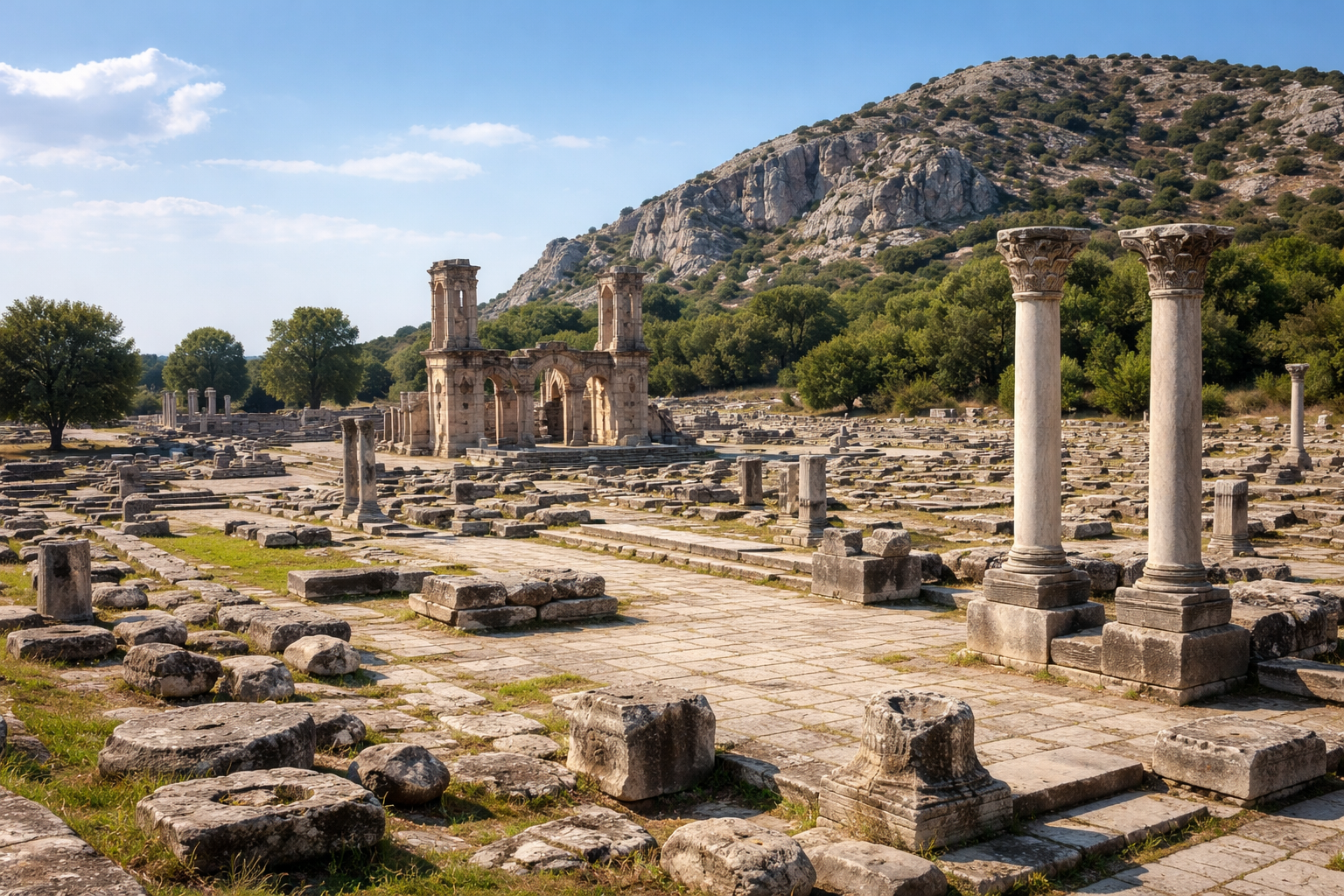
Philippians 3:12–21 confronts both spiritual perfectionism and cultural complacency. Paul insists he has not yet been “perfected,” yet he presses forward with relentless focus toward the resurrection goal. Christian maturity, paradoxically, is knowing we have not yet arrived. In a Roman colony obsessed with civic status, Paul dares to relocate allegiance: “Our citizenship is in…
-
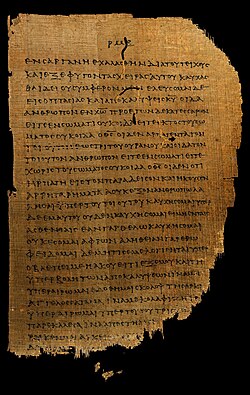
Philippians 3:3 offers a radical redefinition of God’s people: those who worship by the Spirit, boast in Christ, and refuse to ground identity in the flesh. Paul dismantles badge-based belonging and unveils a new covenant community shaped by the Messiah and empowered by the Spirit.
-
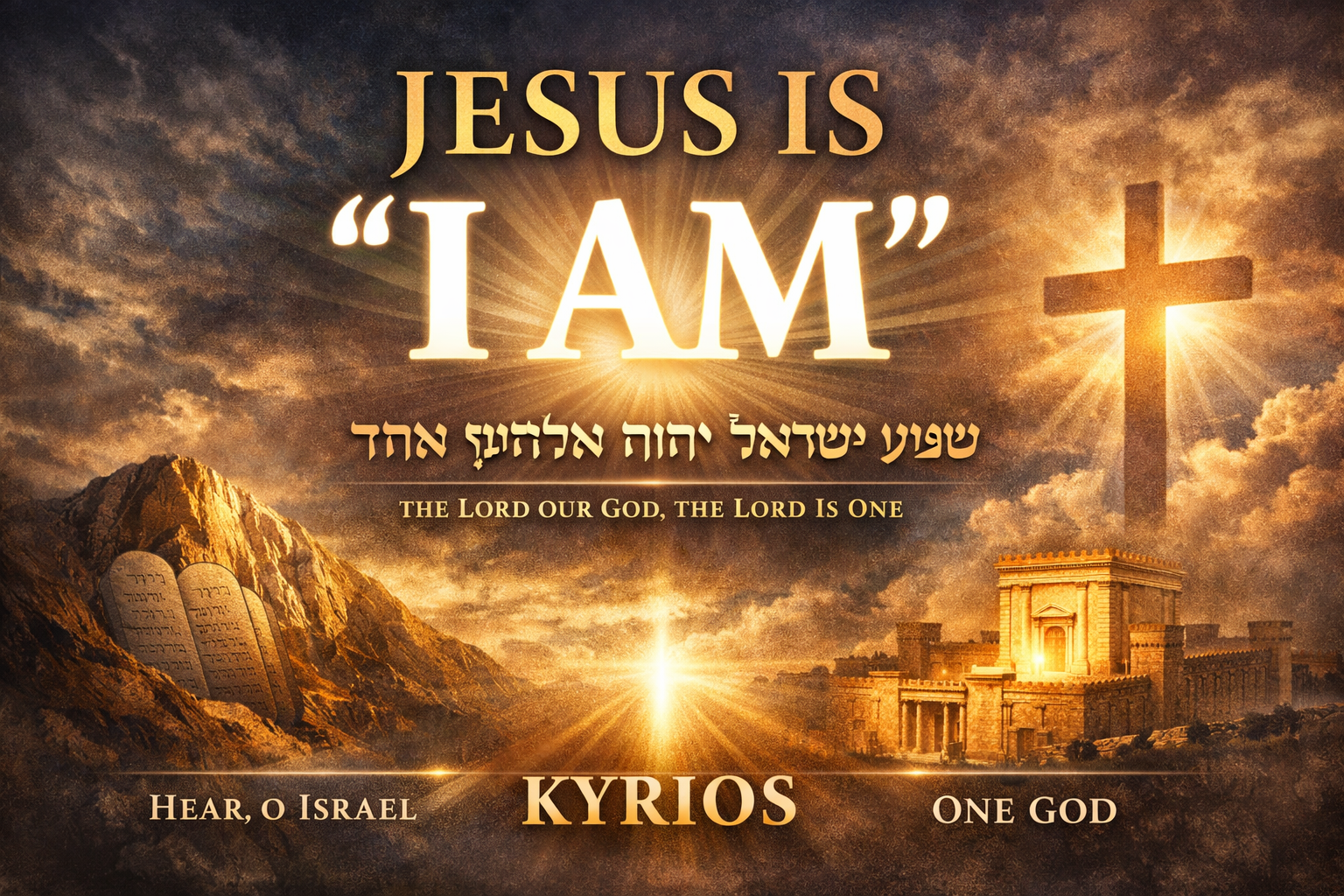
Confessing Jesus as “I AM” did not lead early Christians away from Jewish monotheism—it reshaped it. This post explores how the Shema, kyrios, and Second Temple Jewish thought help us understand how Jesus is included within the divine identity without collapsing Father, Son, and Spirit.
-
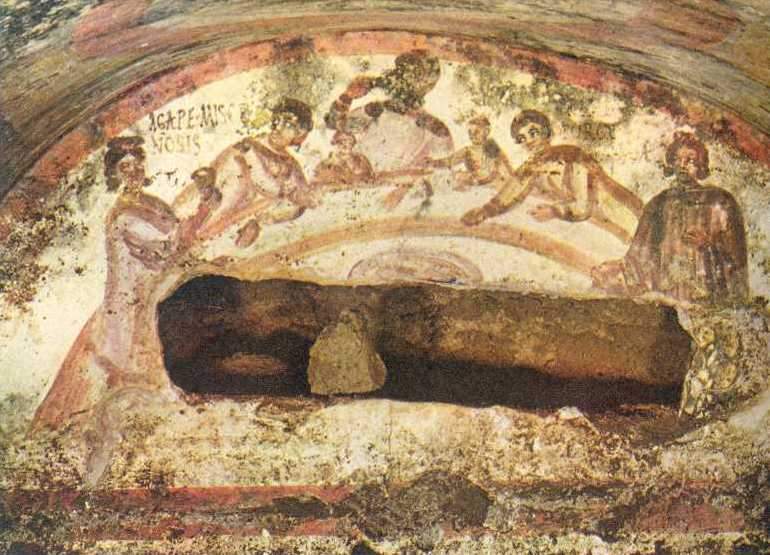
Eschatology may divide modern Christians, but Paul’s teaching in Romans reminds us that the Lord’s table is shaped not by timelines of the end but by the Messiah’s welcome. Rapturists and non-rapturists alike belong because God has received them. Unity rooted in the gospel—not uniformity—remains the clearest sign of God’s new creation.
-

Christian faith exalts Jesus as Lord, yet Scripture teaches us to honor him within the Father–Son–Spirit pattern. Christ reveals the Father (John 14:9), brings us to the Father (Heb 2:10), and gives the Spirit who makes us cry “Abba” (Rom 8:15). True Christology follows this triune story.
-
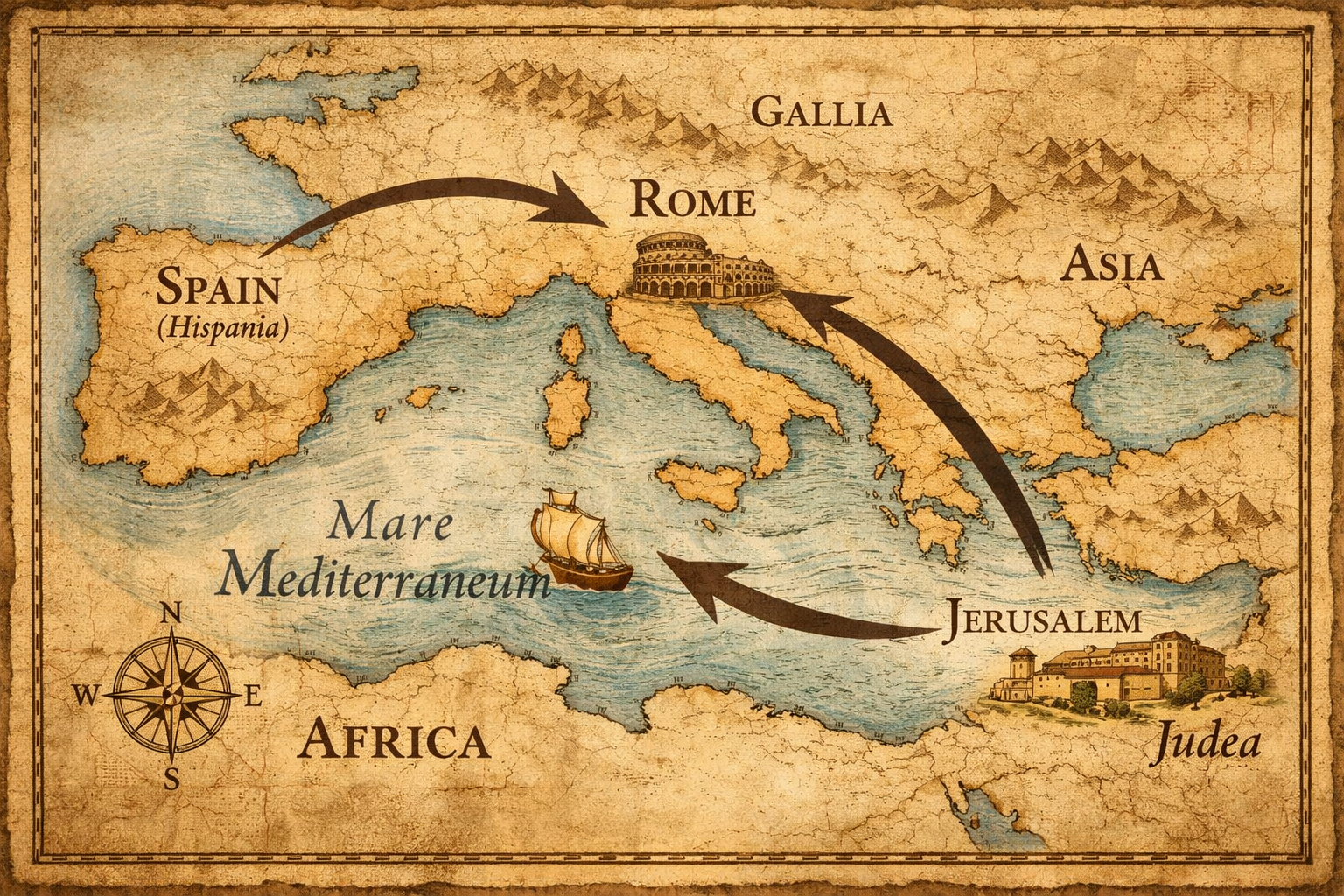
Paul’s travel plans in Romans 15 aren’t just logistics—they’re theology in motion. A gospel disrupting comfort, forging unity, and pushing the church toward new horizons. What happens when God interrupts our plans to advance His? Romans 15:22–33 shows us.
-

Romans 15:14–21 reveals Paul’s astonishing self-understanding: his mission to the Gentiles is a priestly vocation. He presents Spirit-sanctified communities as an offering to God, tracing a gospel arc from Jerusalem to Illyricum. Mission becomes worship, unity becomes infrastructure, and Scripture becomes the compass for the church’s outward calling.
-
Romans 15:7–13 shows the gospel’s true power: Christ fulfills Israel’s story, extends mercy to the nations, and forms a people who glorify God with one voice. Welcome becomes worship as Jews and Gentiles, strong and weak, stand together in the unity the Spirit creates. This is the gospel made visible in community.
-
The article clarifies that Gentile inclusion in God’s plan is not a fallback due to Israel’s failure but an integral part of God’s covenant since the beginning. It emphasizes that through the Messiah, Israel’s mission extends to all nations, illustrating a unified community of faith that fulfills original biblical promises.