Pauline theology
-
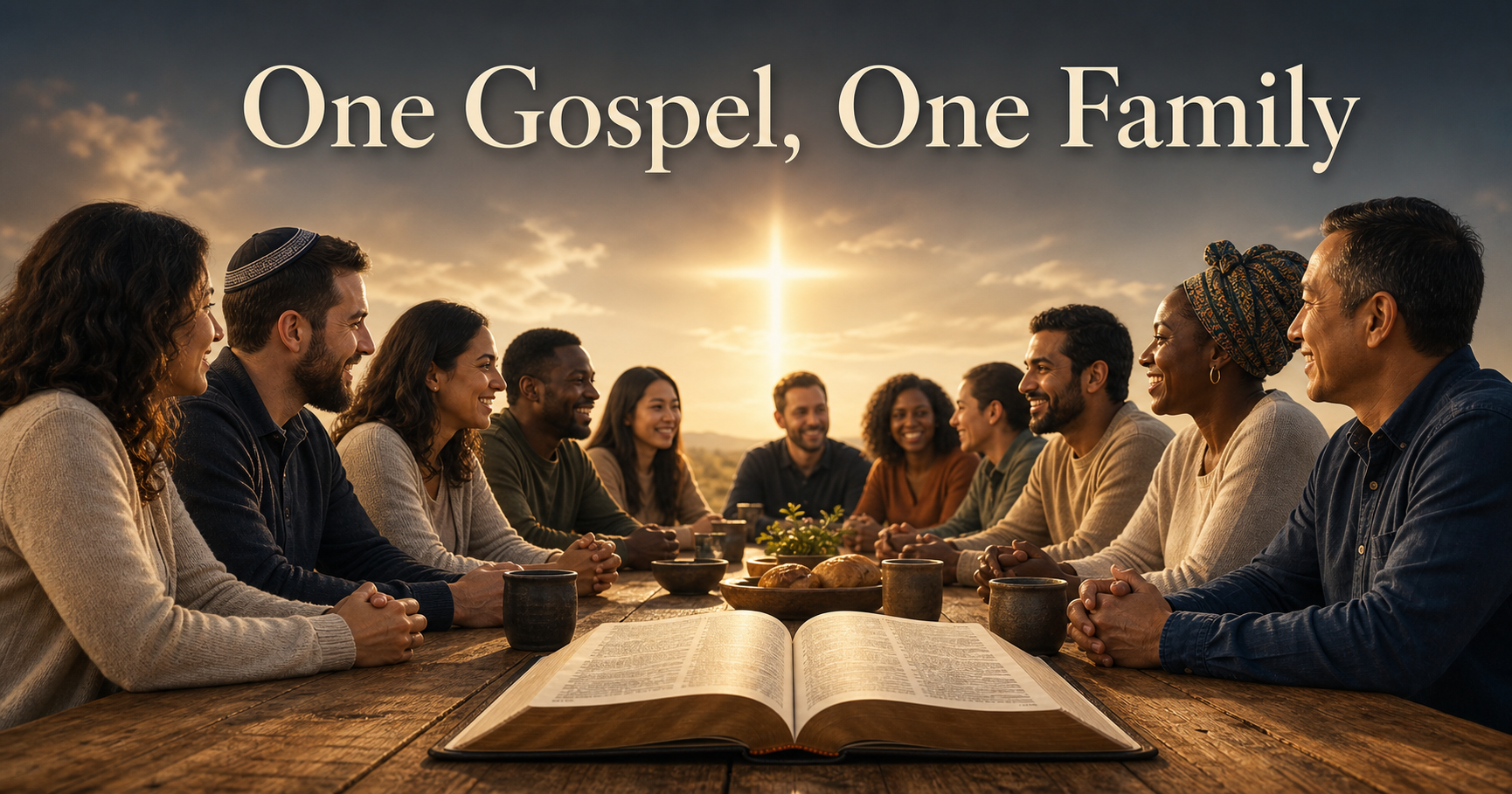
Justification by faith answers more than how sinners can stand righteous before God. In Paul’s Gospel, it also reveals who belongs to Abraham’s family: all who trust in Christ, Jew and Gentile alike.
-

Salvation is not merely forgiveness from the past or hope for the future. It is the present work of God’s Spirit, bringing new birth, uniting us to Christ, forming holiness in us, empowering Christian living, and guaranteeing the resurrection life still to come.
-

Paul does not say we are chosen because we are holy. He says we are chosen to be holy. That small difference protects the gospel from moralism on one side and carelessness on the other. Grace comes first. Holiness follows.
-

God’s eternal purpose in Christ reaches back before creation and moves forward toward the renewal of all things. The gospel is not God’s emergency repair plan. It is his ancient purpose unveiled in Jesus.
-

Philemon is short, but its message is explosive. Paul shows that grace does not avoid real wounds, deny real debts, or leave old hierarchies untouched. The gospel comes home, and when it does, slave becomes brother, debt becomes mercy, and reconciliation becomes costly.
-
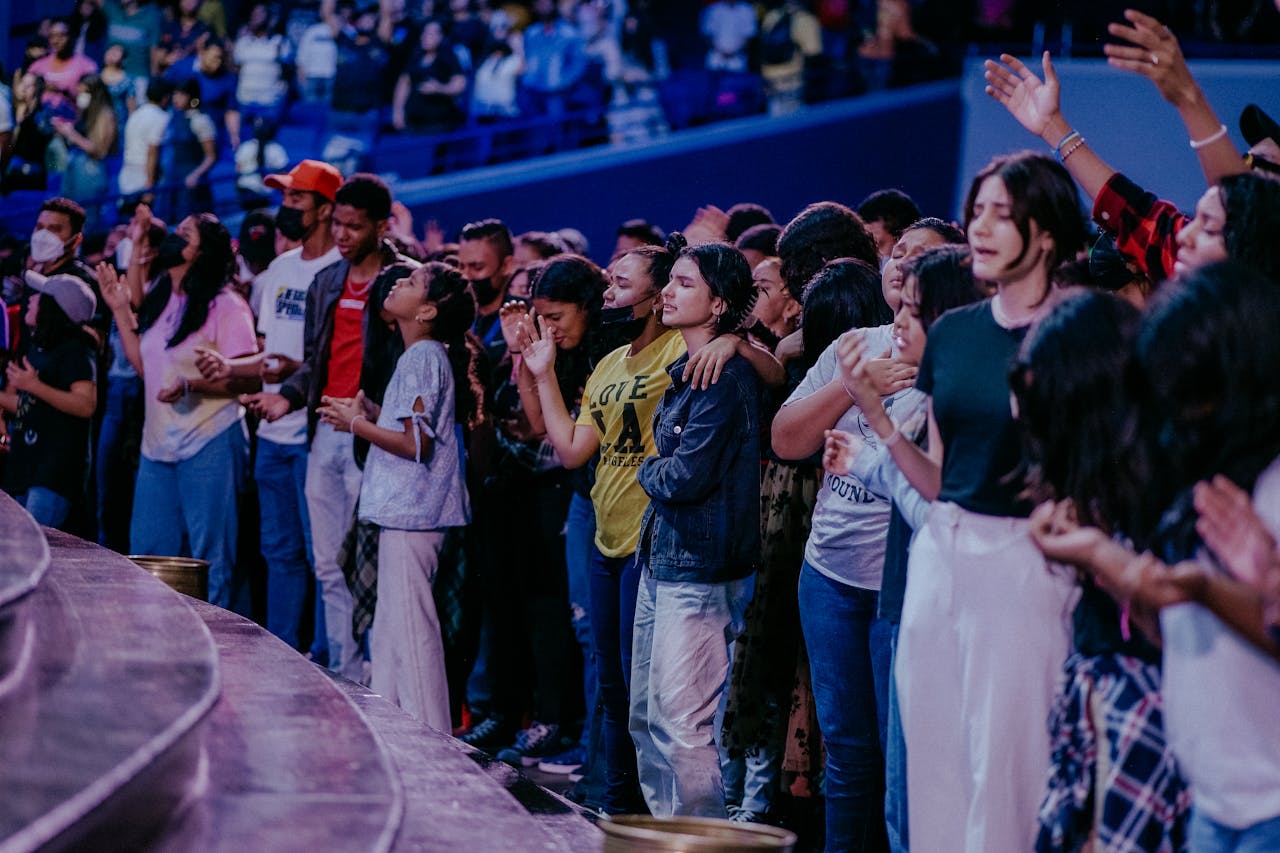
In Colossians 3:12–17, Paul moves from stripping off the old humanity to putting on the character of Christ. Compassion, kindness, forgiveness, love, peace, and thanksgiving are not optional extras. They are the shared life of God’s new people.
-
In Colossians 3:5–11, Paul moves from theology to practice. Because believers have died and been raised with Christ, they must put to death the habits of the old humanity and live as the new creation in Him.
-
Colossians 2:16–19 warns the church against spiritual gatekeeping. When religious systems place fear, rules, or human control between believers and Christ, they deny the sufficiency of the One who alone gives access, nourishment, and true growth.
-
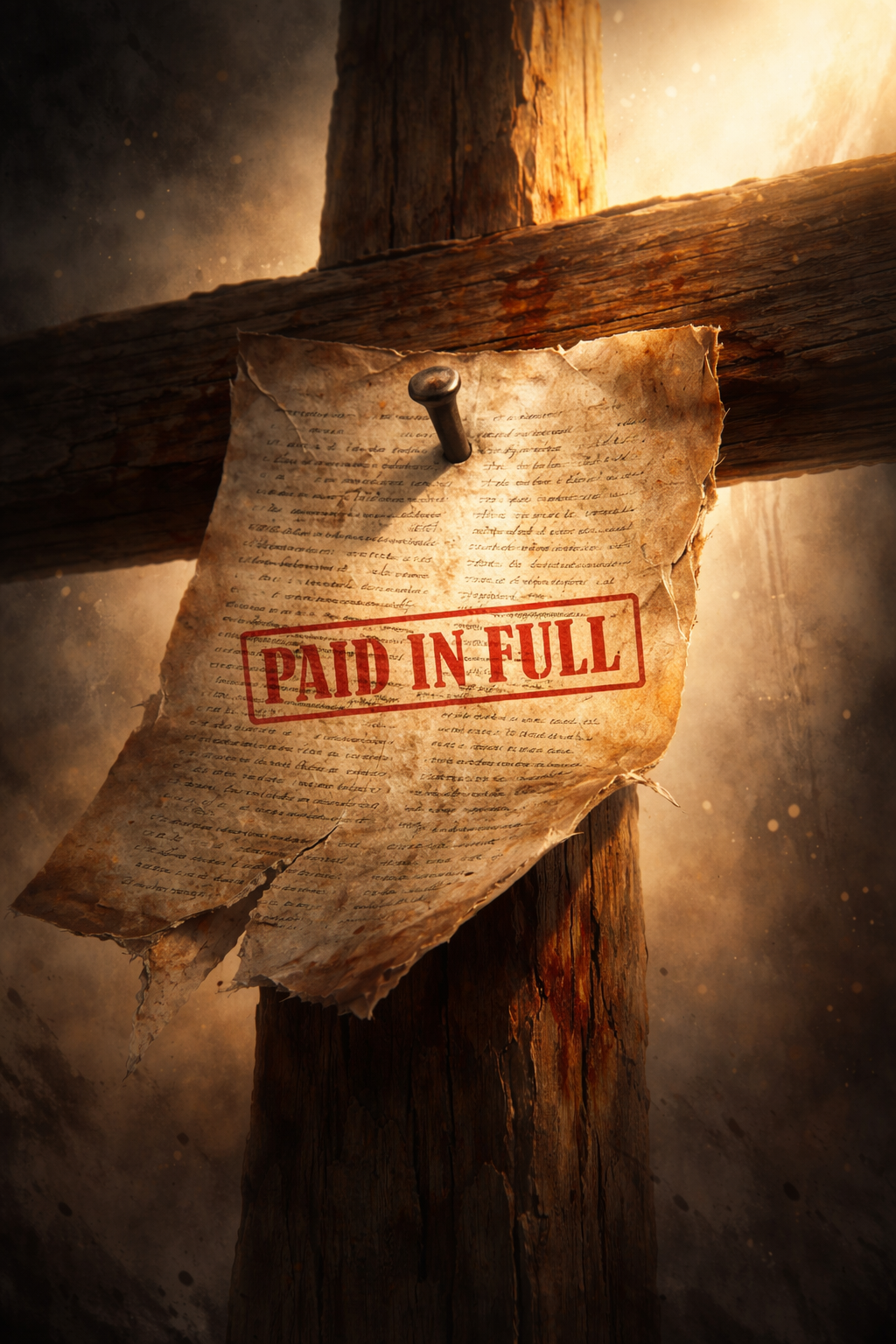
The gospel is not a payment plan. In Colossians 2:13–15, Paul declares that God has forgiven all our trespasses, canceled the record of debt, and nailed it to the cross. Christians do not live before God with an unpaid balance, because Christ is not partial help but God’s full and final provision.
-

Where can true safety be found in a fallen world? Not in wealth, power, or control, but in Christ, whose death and resurrection hold God’s people secure even in the midst of chaos.