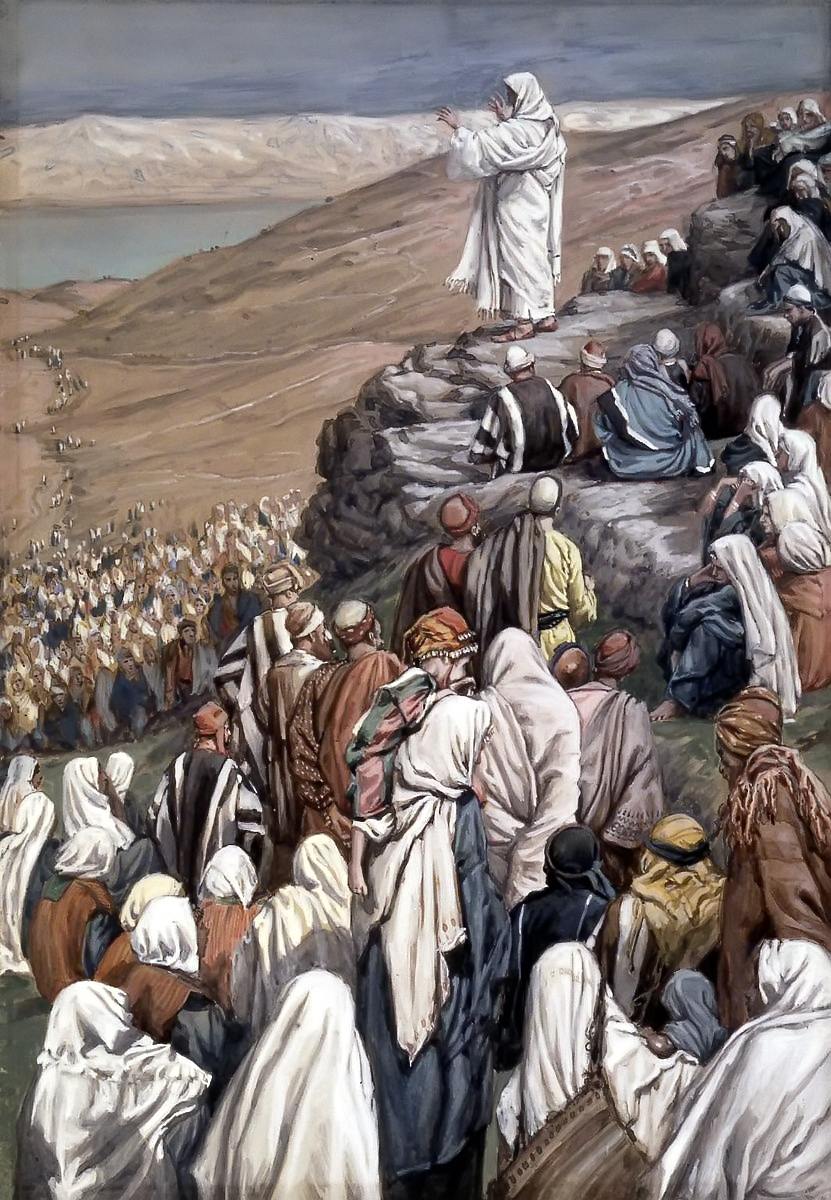
The Beatitudes are among the most familiar words Jesus ever spoke—and among the most easily reduced to comforting sentiment. They appear on wall plaques, sympathy cards, and lists of religious virtues. Yet in the Gospel of Matthew, they are not gentle sayings detached from the larger story of Scripture. They are the opening announcement of the Sermon on the Mount, delivered by Israel’s Messiah after he began proclaiming and embodying the surprising arrival of God’s reign (Matthew 4:17, 23–25; 5:1–12).
The Beatitudes and God’s kingdom belong together. Jesus is not giving us eight steps for earning divine favor, nor is he praising suffering as though poverty, grief, and persecution were good in themselves. He is declaring God’s blessing upon people the present age overlooks, and he is revealing the character of the community through whom heaven’s rule is becoming visible on earth.
The Beatitudes are promises before they are commands. Yet those promises create a people who begin to reflect the character of their King.
The Beatitudes Announce a Great Reversal
Jesus begins, “Blessed are the poor in spirit, for theirs is the kingdom of heaven” (Matthew 5:3). In Scripture, to be blessed is not simply to feel happy. It is to be named as a recipient of God’s favor and to be assured that his saving future belongs to you.
That makes Jesus’ list startling. The world normally calls the powerful, secure, admired, and triumphant blessed. Jesus looks instead toward the spiritually bankrupt, the grieving, the meek, the merciful, the persecuted, and those aching for God to put the world right. He announces that God has not forgotten them. Indeed, his kingdom is arriving precisely for people who know that they cannot rescue themselves.
The Beatitudes continue the great reversal running through Scripture: God hears enslaved Israel, raises the poor, brings down the proud, and welcomes sinners. Mary celebrates this reversal, and Jesus announces it as good news for the poor and oppressed (Luke 1:46–55; 4:16–21; 6:20–26). The Beatitudes do not romanticize misery. They announce that misery, injustice, and death will not have the final word.
The kingdom belongs to such people not because suffering makes them morally superior, but because God’s grace reaches those who have no status with which to bargain. The first word of kingdom life is gift.
Poor in Spirit: A Kingdom Received, Not Achieved
To be poor in spirit is to come before God without imagined wealth. It is the end of spiritual self-sufficiency—the recognition that we possess neither the righteousness to justify ourselves nor the power to renew the world.
This poverty is not self-hatred but truthful dependence. The poor in spirit bring no moral achievement, religious pedigree, or social importance with which to bargain. They receive God’s reign as a gift.
Jesus therefore overturns every attempt to turn the Beatitudes into a ladder of merit. We do not become poor in spirit so that God will owe us the kingdom. We discover that the kingdom has drawn near in Jesus, and in his presence our pretensions collapse. Grace empties us of pride and fills us with gratitude.
Those Who Mourn: The Courage to Lament
“Blessed are those who mourn, for they will be comforted” (Matthew 5:4). This category includes personal grief, but its horizon is wider. Israel mourned exile, sin, oppression, and the apparent absence of God’s promised justice. The prophets answered that mourning with promises of God’s coming comfort, restoration, and good news for the afflicted (Isaiah 40:1–5; 61:1–3). Those who mourn refuse to make peace with a world disfigured by death.
Kingdom mourning is therefore a form of hope. We grieve because creation is not yet what God intends. We lament violence, confess sin, and weep with those who suffer because love will not look away.
The promised comfort is not sentimental reassurance. It is God coming to forgive, heal, restore, and finally wipe away every tear. Because Jesus has been raised, Christians can face grief honestly while trusting that resurrection will have the last word.
The Meek: Heirs of the Earth
Jesus’ promise that the meek will “inherit the earth” echoes Psalm 37:1–11. There the faithful are tempted to imitate violent people who seem to prosper. They are told instead to trust God, practice faithfulness, and wait for his justice.
Meekness is not weakness or passivity. It is strength released from the need to dominate. The meek do not grasp the world through coercion because they trust that God will give his renewed creation as an inheritance.
Jesus does not say that the meek will escape the earth. They will inherit it. The biblical hope is not the abandonment of creation but its liberation from decay (Romans 8:18–25). The future belongs to those who refuse the way of conquest.
The meek follow a Messiah who enters Jerusalem on a donkey and conquers through the cross. Kingdom power is cruciform: courageous without cruelty, truthful without domination, and confident without violence.
Hungry for Righteousness: Longing for God to Put Things Right
Those who hunger and thirst for righteousness are not casually interested in holiness. They desire righteousness as a starving person desires bread.
Righteousness in Matthew is both personal and public. It includes fidelity to God, integrity of life, right relationships, justice for the vulnerable, and the restoration of a world disordered by sin. We distort the Beatitude if we reduce righteousness either to private morality or to political activism. Jesus holds together what we often separate: transformed hearts and a world made right under God’s rule.
The promise is that they will be filled. We do not establish the kingdom by our competence; God will complete his work. Yet those who long for his justice practice it now—not to manufacture God’s future, but because that future has already broken into the present through Jesus and the Spirit.
The Merciful and Pure in Heart: The Family Likeness of God
“Blessed are the merciful, for they will receive mercy” (Matthew 5:7). Mercy is not indifference to evil. It is God’s refusal to let evil have the final claim upon the offender. Throughout Jesus’ ministry, mercy takes visible form: sins are forgiven, the unclean are welcomed, the sick are restored, and outsiders are brought to the table.
Those who have received such mercy become merciful. They forgive because they have been forgiven. This does not mean ignoring abuse or abandoning justice. Kingdom mercy seeks truth, repentance, healing, and restoration rather than revenge.
The pure in heart have inner lives that are not flawless. Purity means undivided allegiance: a life turned toward God rather than fragmented among rival masters. They “will see God” because salvation’s goal is communion with God himself.
Mercy and purity belong together. Without purity, mercy becomes sentimentality. Without mercy, purity becomes self-righteousness. In Jesus, holiness and compassion meet.
Peacemakers: Children Who Resemble Their Father
Peacemakers will be called children of God because they bear the family likeness. The God of the gospel makes peace through the blood of the cross (Colossians 1:19–20), entrusts his people with the ministry of reconciliation (2 Corinthians 5:17–21), and forms one new humanity in Christ (Ephesians 2:11–22).
Biblical peace is more than the absence of conflict. It is shalom: creation healed, relationships restored, and life flourishing under God’s good rule. Peacemaking may require confronting lies, naming injustice, absorbing hostility, and loving enemies (Matthew 5:43–48).
Jesus does not bless peace-lovers who merely admire harmony. He blesses peacemakers who enter the costly work of repair. The church becomes a sign of the kingdom when people divided by ethnicity, class, nation, politics, and history gather at one table under one Lord.
The Persecuted: Faithful to a Different King
The final Beatitudes concern those persecuted for righteousness and because of Jesus (Matthew 5:10–12). Their suffering exposes a conflict between kingdoms. A community shaped by mercy, enemy love, truth, generosity, and allegiance to Jesus will eventually collide with systems sustained by fear, deception, greed, and domination.
Not all opposition is persecution for righteousness. Christians may face criticism because they have acted without wisdom, compassion, or integrity. Jesus offers no blessing for grievance itself. The promise belongs to those who suffer because they remain faithful to him and his way.
Theirs is the kingdom of heaven. The wording returns us to the first Beatitude: kingdom life is held between present possession and future fulfillment. God’s reign already belongs to Jesus’ people, yet its public victory remains ahead. They can endure without retaliation because resurrection has secured their future.
Jesus Is the Beatitudes in Person
The Beatitudes ultimately describe Jesus before they describe us.
He lives in complete dependence upon the Father. He mourns over Jerusalem and weeps at a friend’s tomb. He is meek and humble in heart (Matthew 11:28–30). He hungers for his Father’s will, shows mercy to sinners, acts from undivided love, makes peace through his own blood, and suffers because of his faithfulness.
At the cross, the world calls Jesus cursed while God’s kingdom reveals him as blessed. The rejected Messiah is vindicated in resurrection and enthroned as Lord. He does not merely teach the Beatitudes; he embodies their pattern and establishes their promises.
Therefore, the Beatitudes are not a new law left for us to accomplish through willpower. They are the character of Christ reproduced in his people by the Holy Spirit. We become merciful, pure in heart, and peacemaking as we are united to the crucified and risen King.
The Beatitudes and God’s Kingdom Today
The church is distinct from the kingdom, and it must always distinguish God’s reign from any denomination, nation, party, or program. Yet it is called to pray for God’s kingdom to come, seek it first, and become a sign and foretaste of God’s promised future (Matthew 6:9–10, 33).
That happens when the proud learn dependence, power is used for service, sinners find mercy, divided people make peace, and communities remain faithful under pressure. None of this earns God’s blessing. It demonstrates what divine blessing creates.
The Beatitudes refuse both a private spirituality unconcerned with injustice and a triumphal activism that imposes the kingdom through the world’s methods. Kingdom boldness looks like Jesus: merciful, truthful, pure, peace-making, and willing to suffer rather than make others suffer.
The Beatitudes are both an announcement and an invitation. In Jesus, God’s future has opened to the unlikely. We are invited to repent of rival definitions of blessing and become a community shaped by the King.
One day mourners will be comforted, the meek will inherit the earth, and peacemakers will be publicly named as God’s children. God will dwell with humanity in a healed creation where death and the curse are no more (Revelation 21:1–5; 22:1–5). Until then, the church lives ahead of its time.
The world says, “Blessed are the self-sufficient, the forceful, the satisfied, and the admired.” Jesus announces another kingdom. Blessed are those who receive God’s reign with empty hands and learn to reflect his character into the world.
For theirs is the kingdom of heaven.
Explore the teaching
Questions About the Beatitudes
Open a question for a concise explanation of how the Beatitudes relate to God’s kingdom.
What is the central meaning of the Beatitudes?
The Beatitudes announce God’s blessing upon people the present age often overlooks and reveal the character of life under his reign. They are promises before they are commands: declarations that God’s saving future belongs to those who receive the kingdom with empty hands. That grace then forms a merciful, righteous, peace-making, and faithful people.
Are the Beatitudes requirements for entering God’s kingdom?
No. The Beatitudes are not a ladder by which we earn God’s favor. Jesus announces the kingdom as a gift before describing the life it creates. Those who receive that gift are united to the crucified and risen King and transformed by the Spirit to reflect his character.
How do Christians live the Beatitudes today?
Christians live the Beatitudes by depending upon grace, lamenting sin and suffering, practicing mercy, pursuing personal and public righteousness, making peace, and remaining faithful to Jesus under pressure. These practices do not establish God’s kingdom through human effort. They bear witness to the kingdom already present in Christ and awaiting its final fulfillment.
Read Matthew 5:1–12 slowly and prayerfully. As you do, ask: Whom does Jesus call blessed—and where have I accepted the world’s definition instead? Then choose one Beatitude to embody in a concrete way: extend mercy, make peace, stand with those who mourn, or pursue what is right. The kingdom is received as grace, but that grace always begins to reshape the life that receives it.
For Further Reading
- Bonhoeffer, Dietrich. Discipleship. Minneapolis: Fortress Press, 2001.
- Ladd, George Eldon. The Presence of the Future: The Eschatology of Biblical Realism. Grand Rapids: Eerdmans, 1974.
- Pennington, Jonathan T. The Sermon on the Mount and Human Flourishing. Grand Rapids: Baker Academic, 2017.
- Stott, John R. W. The Message of the Sermon on the Mount. Downers Grove, IL: InterVarsity Press, 1978.
- Wright, N. T. Matthew for Everyone, Part 1. Louisville: Westminster John Knox Press, 2004.
Leave a Reply