Biblical studies
-

Why does Mark’s Gospel end so abruptly with frightened women fleeing an empty tomb? This biblical study examines the manuscript evidence, the meaning of Mark 16:8, and the theological significance of Jesus’ resurrection. Far from being an insignificant conclusion, Mark’s ending invites us to reconsider the kingdom of God, the faithfulness of the risen Messiah,…
-
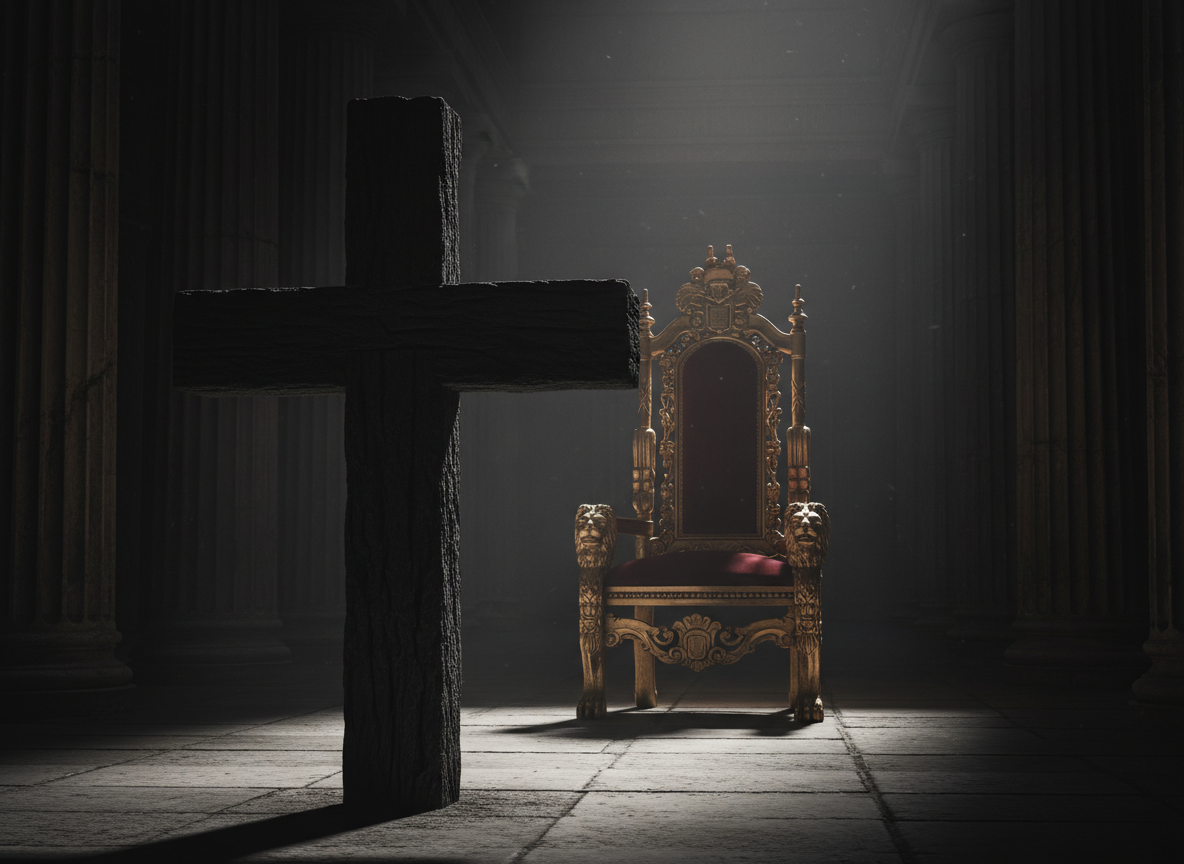
Christian power cannot be understood apart from the cross. Philippians 2 reveals a Lord who possesses supreme authority yet uses His power in self-giving service. The question is not whether Christians should exercise authority, but whether our authority resembles the crucified Messiah.
-
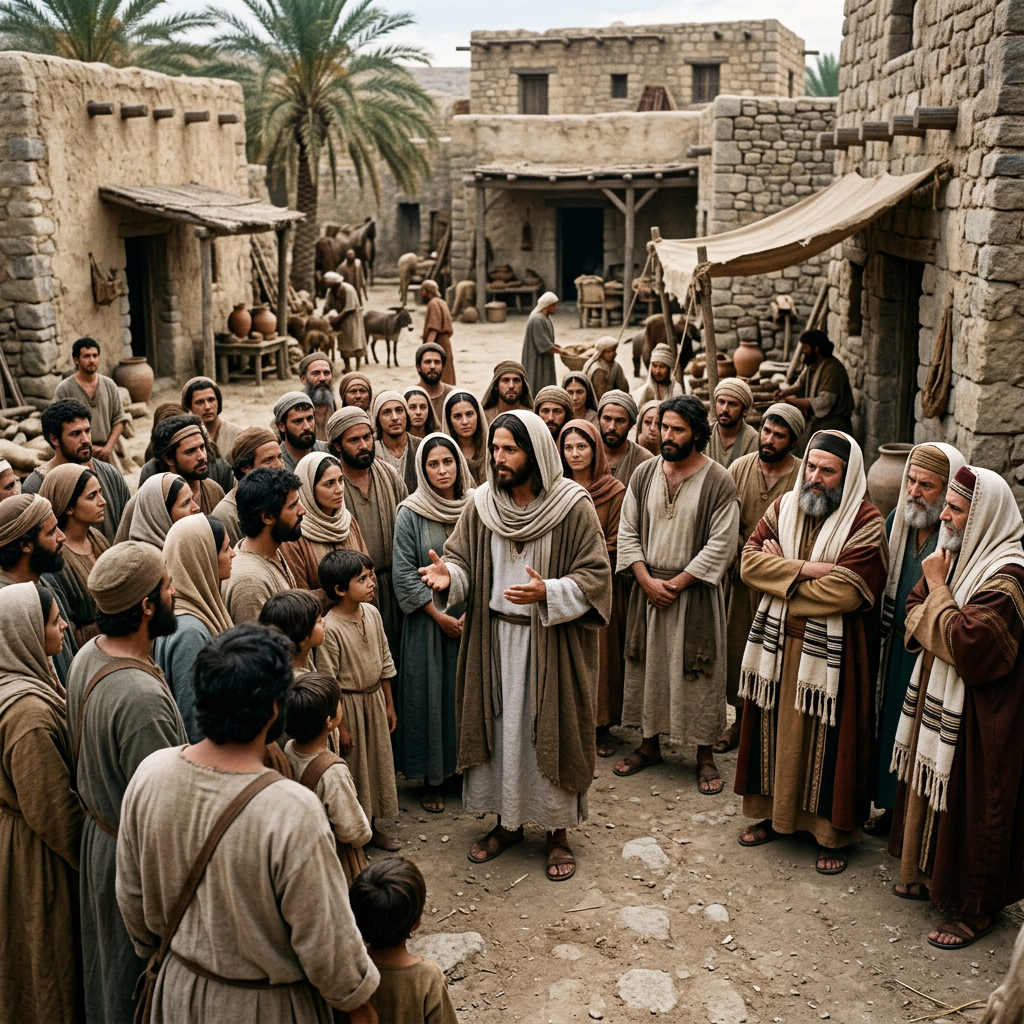
Jesus’ statement that “the kingdom of God is within you” is often treated as an invitation to search for God inside ourselves. But the context of Luke 17:21 points in another direction. The kingdom was already among them because the King Himself stood in their midst.
-

The empty tomb did more than prove that Jesus survived death. His resurrection marked the beginning of God’s new creation, bringing the future kingdom into the present and revealing what God ultimately intends for humanity and the whole created world.
-

Paul’s comparison of Sarah and Hagar in Galatians 4 can sound troubling when isolated from its context. Read alongside Galatians 3–5, however, it becomes a powerful argument about promise, Torah, Christ, the Spirit, and the surprising shape of Abraham’s worldwide family.
-

Why did God choose Abraham? Genesis 12 reveals that biblical election is not primarily about privilege but vocation. God called Abraham by grace so that through his family, Israel, and ultimately the Messiah, His blessing might reach all the nations.
-

God’s mission begins within Israel’s story and reaches its fulfillment in Jesus the Messiah. Through Luke 4, Luke 24, Acts 1, and Acts 13, we discover a church sent by the Spirit to proclaim forgiveness, embody God’s kingdom, and bear witness to new creation.
-
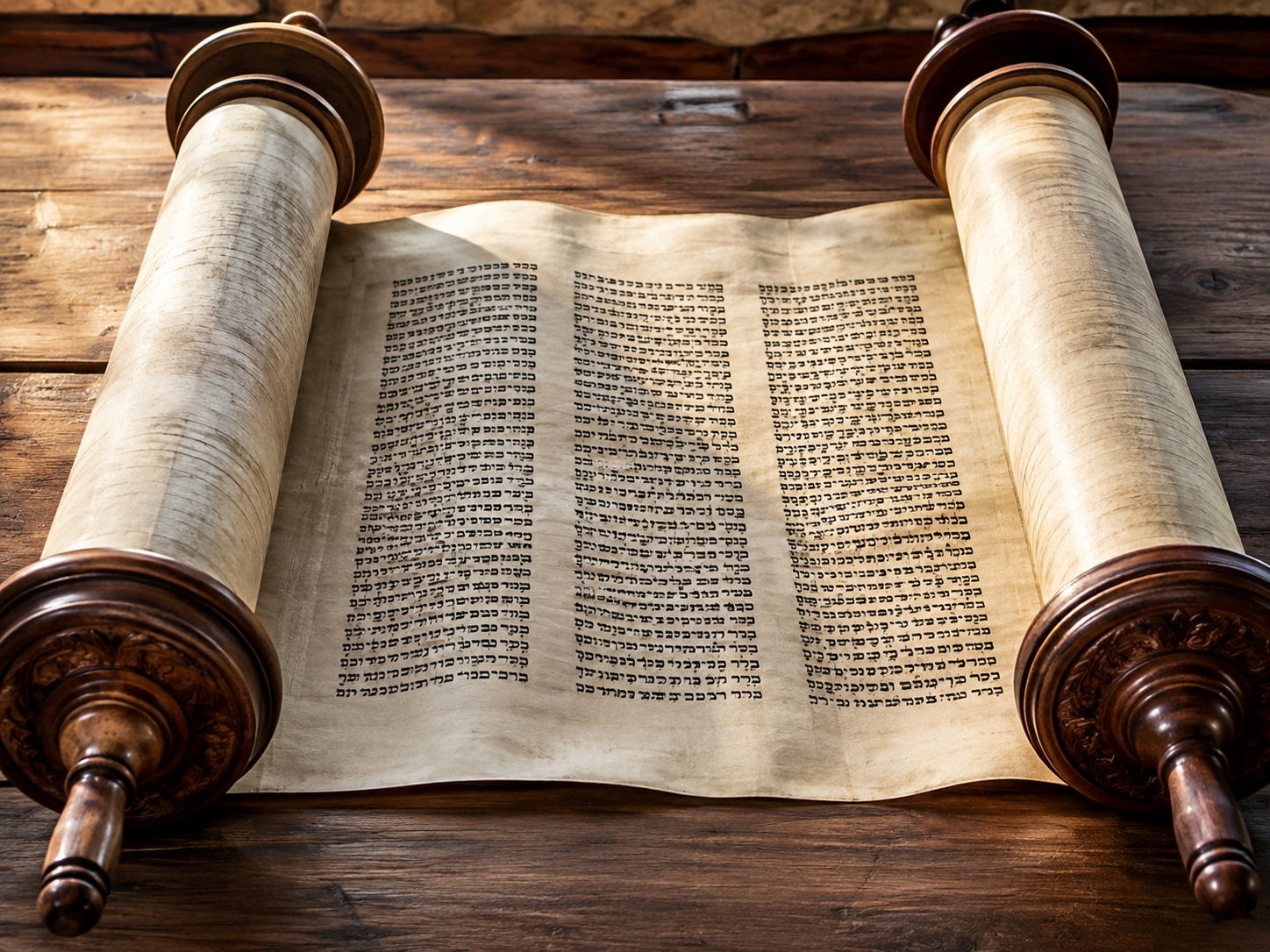
Paul does not describe the Law as God’s failed attempt to save humanity. Torah occupied an intentional place within God’s covenant story until Christ brought that story to its appointed goal.
-

The Trinity did not arise from a mathematical formula. It grew from the church’s attempt to remain faithful to Israel’s confession of one God while recognizing Jesus within the divine identity and the Spirit as God’s personal presence.
-

Suicide, euthanasia, heroic sacrifice, and allowing natural death may all involve a human life ending, but they are not morally identical. Scripture calls us to look beyond the outcome and ask a deeper question: Was death intended, accepted for another’s sake, or simply allowed when medicine could no longer prevent it?