Biblical studies
-

Can the Spirit guarantee God’s future while already bringing its renewal into our lives? Responding to Yon-Gyong Kwon’s published abstract, this reflection considers Paul’s teaching on the Spirit as a pledge, present transformation, and the hope of bodily resurrection.
-
Christ reveals the invisible God, and the Holy Spirit draws us into living communion with him. This biblical reflection explores the meaning of theophany, the uniqueness of the incarnation, and the ways Christ’s presence renews our faith, our relationships, and our daily lives.
-

Should Christians accept everything their pastors teach? Acts 17:11 commends the Bereans for examining Scripture even when listening to the apostle Paul. This essay explores why disciplined Bible study, spiritual discernment, and freedom of conscience are essential to Christian maturity, and why faithful pastoral leadership should equip believers to examine Scripture rather than demand unquestioning…
-

Every Christian shares in a royal priesthood through Christ. Discover what that means for worship, church authority, freedom of conscience, and God’s new creation.
-

God’s covenant of grace offers lasting hope through His faithfulness, loving discipline, and our adoption into His family. Reflect on 1 Samuel 12:22 and discover encouragement to live confidently as someone who belongs to Christ.
-

Why does Mark’s Gospel end so abruptly with frightened women fleeing an empty tomb? This biblical study examines the manuscript evidence, the meaning of Mark 16:8, and the theological significance of Jesus’ resurrection. Far from being an insignificant conclusion, Mark’s ending invites us to reconsider the kingdom of God, the faithfulness of the risen Messiah,…
-
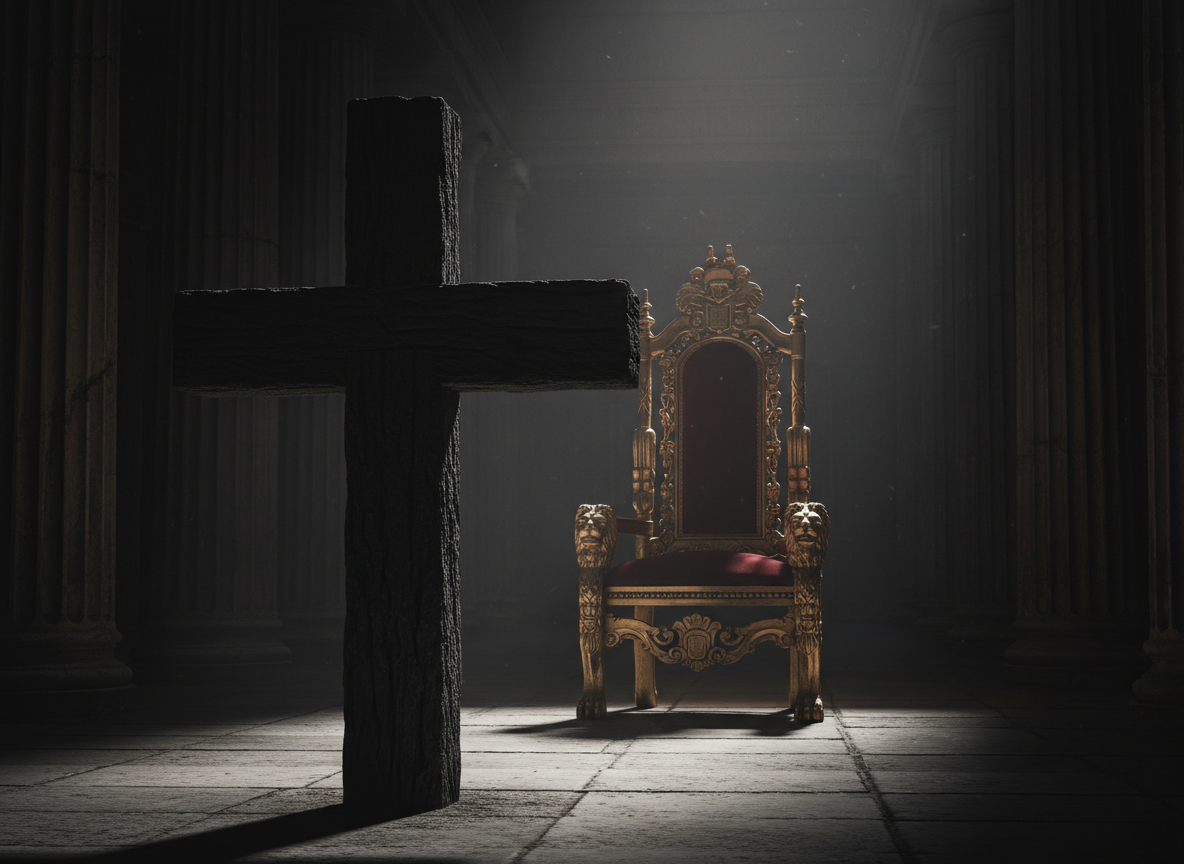
Christian power cannot be understood apart from the cross. Philippians 2 reveals a Lord who possesses supreme authority yet uses His power in self-giving service. The question is not whether Christians should exercise authority, but whether our authority resembles the crucified Messiah.
-
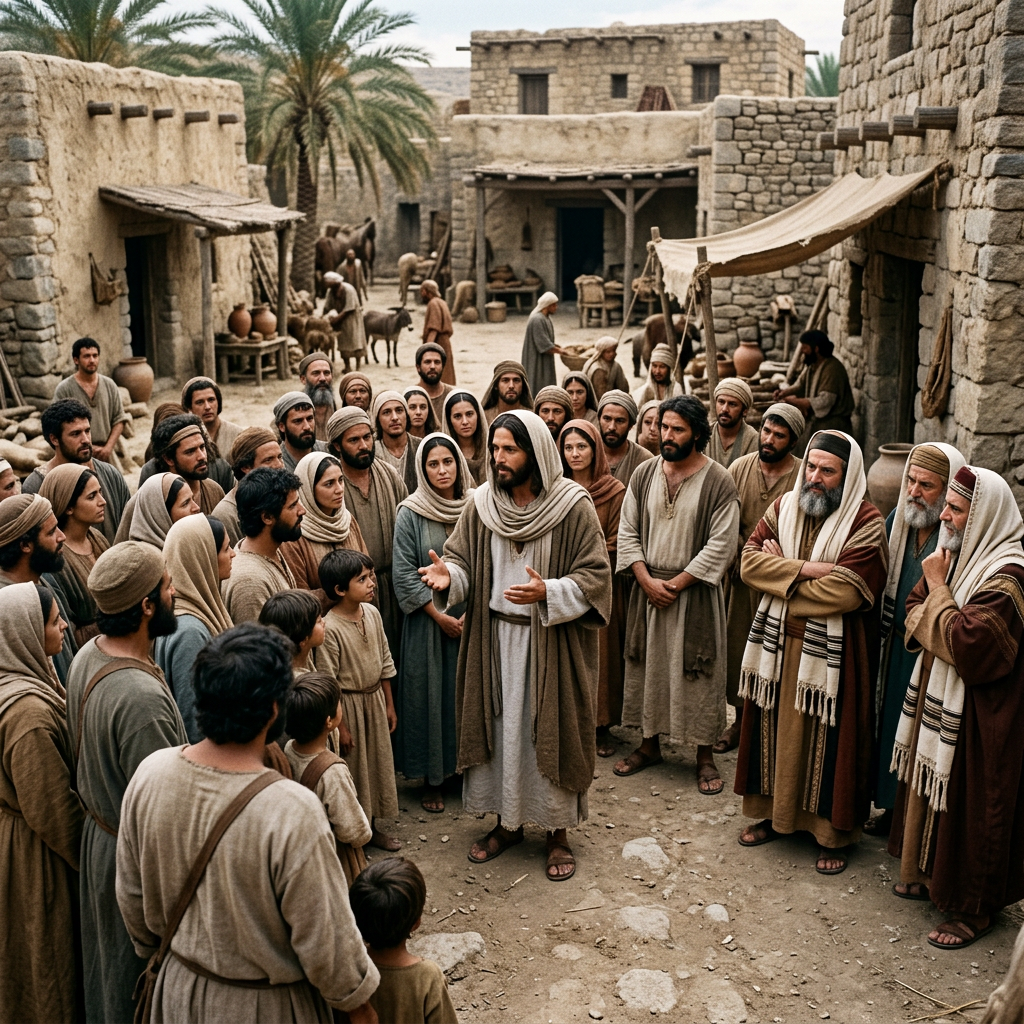
Jesus’ statement that “the kingdom of God is within you” is often treated as an invitation to search for God inside ourselves. But the context of Luke 17:21 points in another direction. The kingdom was already among them because the King Himself stood in their midst.
-

The empty tomb did more than prove that Jesus survived death. His resurrection marked the beginning of God’s new creation, bringing the future kingdom into the present and revealing what God ultimately intends for humanity and the whole created world.
-

Paul’s comparison of Sarah and Hagar in Galatians 4 can sound troubling when isolated from its context. Read alongside Galatians 3–5, however, it becomes a powerful argument about promise, Torah, Christ, the Spirit, and the surprising shape of Abraham’s worldwide family.