Uncategorized
-

God’s covenant of grace offers lasting hope through His faithfulness, loving discipline, and our adoption into His family. Reflect on 1 Samuel 12:22 and discover encouragement to live confidently as someone who belongs to Christ.
-

Why does Mark’s Gospel end so abruptly with frightened women fleeing an empty tomb? This biblical study examines the manuscript evidence, the meaning of Mark 16:8, and the theological significance of Jesus’ resurrection. Far from being an insignificant conclusion, Mark’s ending invites us to reconsider the kingdom of God, the faithfulness of the risen Messiah,…
-

Christian hospitality is more than friendliness. Drawing on Matthew 10:40, this reflection explores how welcoming strangers, weary servants, and wounded people can help our churches and homes reflect the generous love of Jesus.
-

Should Christians pray to the Father or Jesus? Scripture permits believers to call upon Jesus and teaches them to approach the Father through the Son in the Holy Spirit. Explore Jesus’ teaching, apostolic prayer, Christ’s mediation, and the Spirit’s cry of “Abba, Father.”
-

Christian power cannot be understood apart from the cross. Philippians 2 reveals a Lord who possesses supreme authority yet uses His power in self-giving service. The question is not whether Christians should exercise authority, but whether our authority resembles the crucified Messiah.
-
I did not leave social media because I believe technology is evil. I left because I became increasingly concerned about what the social media environment was doing to me. Over time, Facebook and similar platforms began to look less like places of genuine connection and more like marketplaces of appearances. Truth competes with exaggeration, outrage,…
-
This article critiques pre-tribulational dispensationalism for turning biblical prophecy into a fearful timetable and fostering escapism. It argues instead for a symbolic, hope-filled reading of apocalyptic texts that emphasizes continuity between Israel and the Church and calls believers into present, transformative mission.
-
“Just as I have loved you, you also should love one another.” —John 13:34 Christians often speak about experiencing the presence of God. We seek it in worship, prayer, preaching, and moments of spiritual intensity. But the Gospel of John gives us a searching question: What happens to our relationships when God truly dwells among…
-
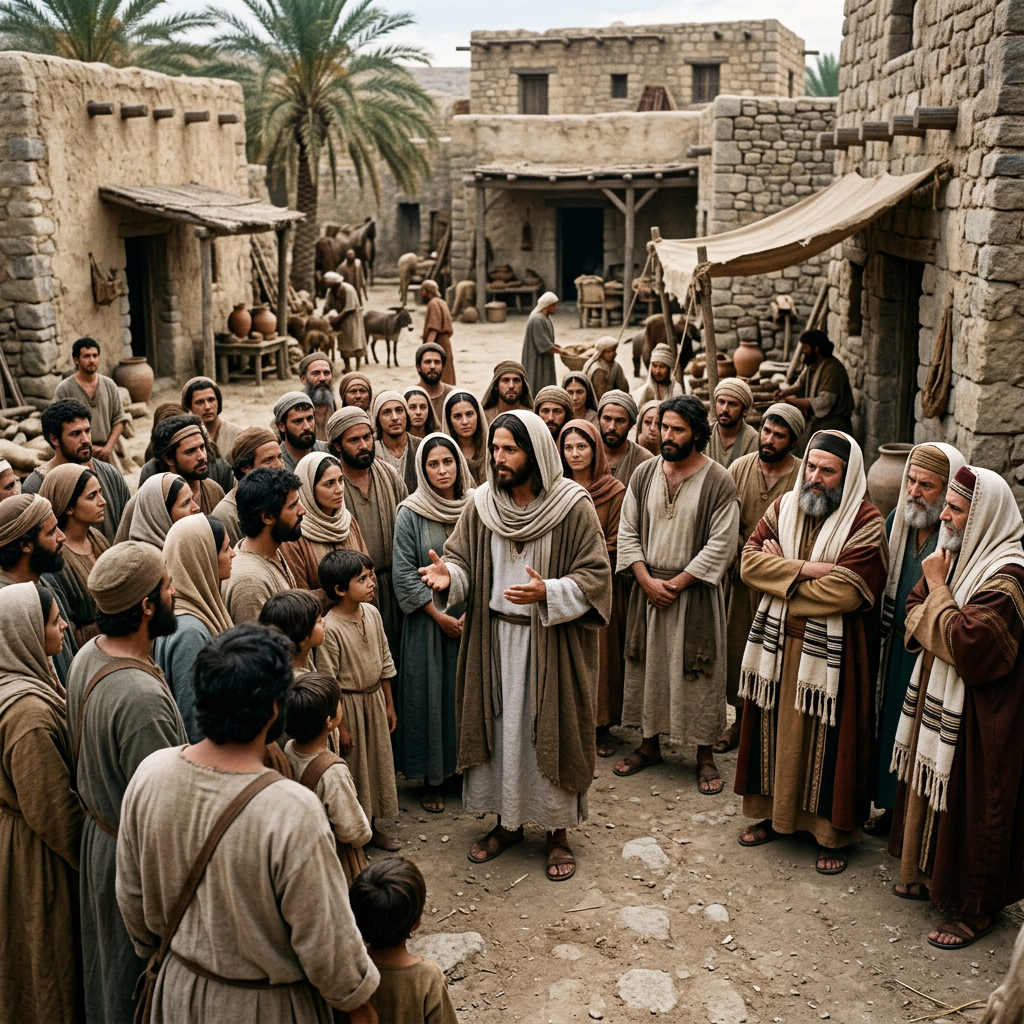
Jesus’ statement that “the kingdom of God is within you” is often treated as an invitation to search for God inside ourselves. But the context of Luke 17:21 points in another direction. The kingdom was already among them because the King Himself stood in their midst.
-
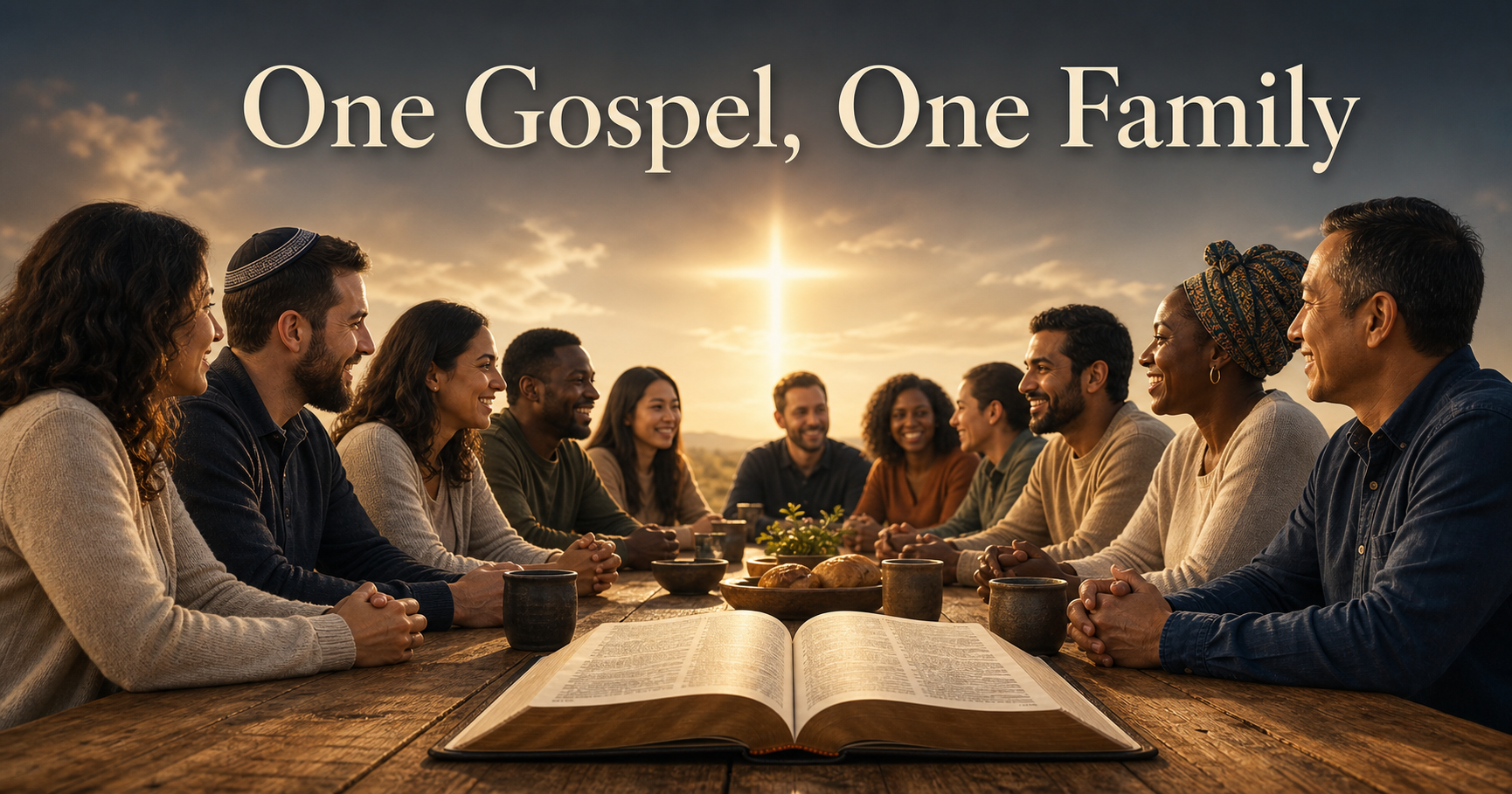
Justification by faith answers more than how sinners can stand righteous before God. In Paul’s Gospel, it also reveals who belongs to Abraham’s family: all who trust in Christ, Jew and Gentile alike.