Biblical theology
-
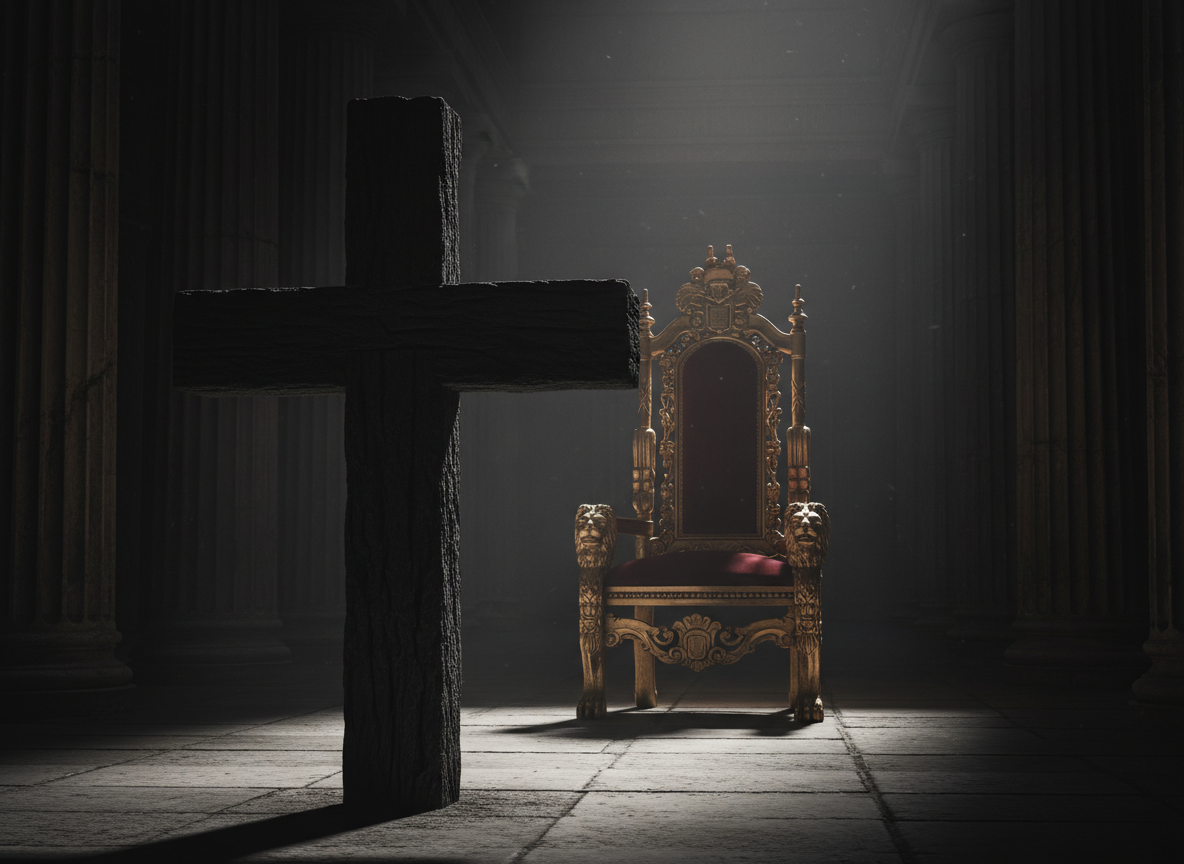
Christian power cannot be understood apart from the cross. Philippians 2 reveals a Lord who possesses supreme authority yet uses His power in self-giving service. The question is not whether Christians should exercise authority, but whether our authority resembles the crucified Messiah.
-
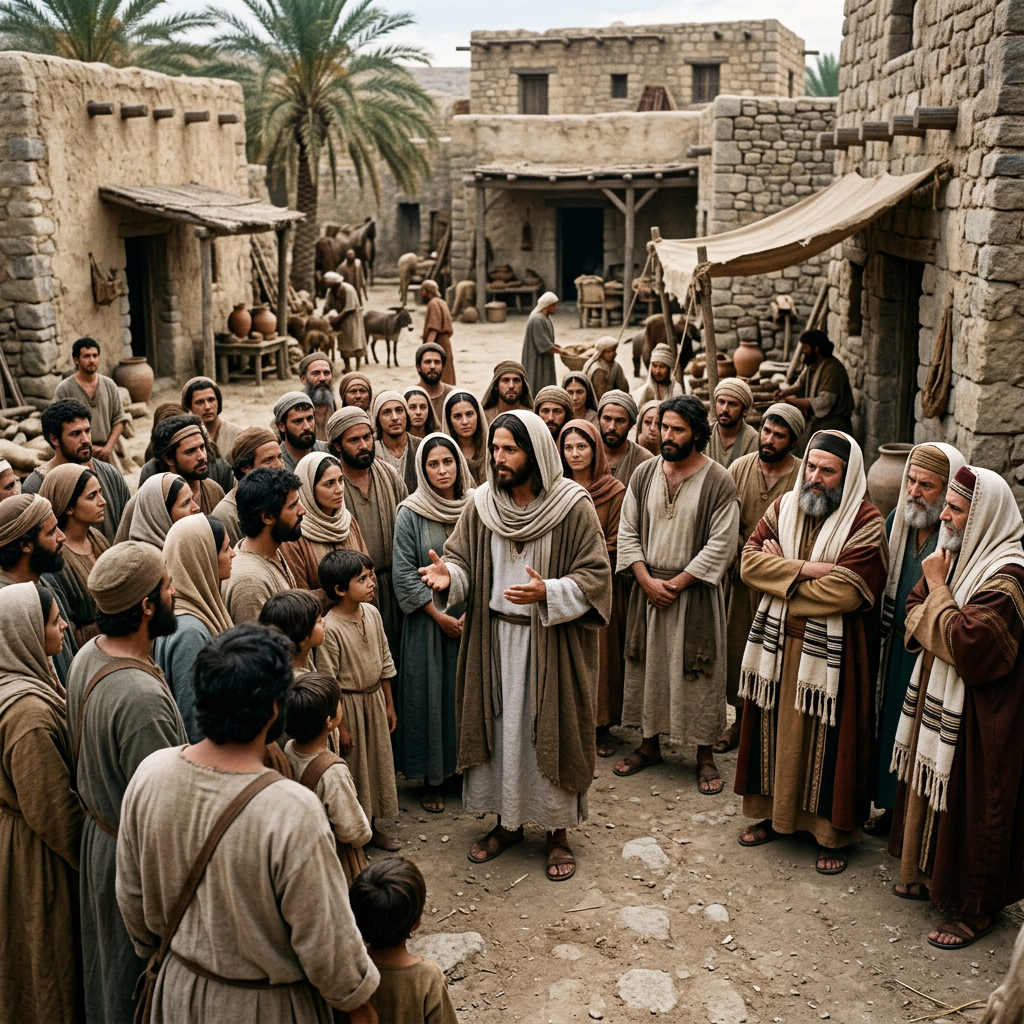
Jesus’ statement that “the kingdom of God is within you” is often treated as an invitation to search for God inside ourselves. But the context of Luke 17:21 points in another direction. The kingdom was already among them because the King Himself stood in their midst.
-

The empty tomb did more than prove that Jesus survived death. His resurrection marked the beginning of God’s new creation, bringing the future kingdom into the present and revealing what God ultimately intends for humanity and the whole created world.
-
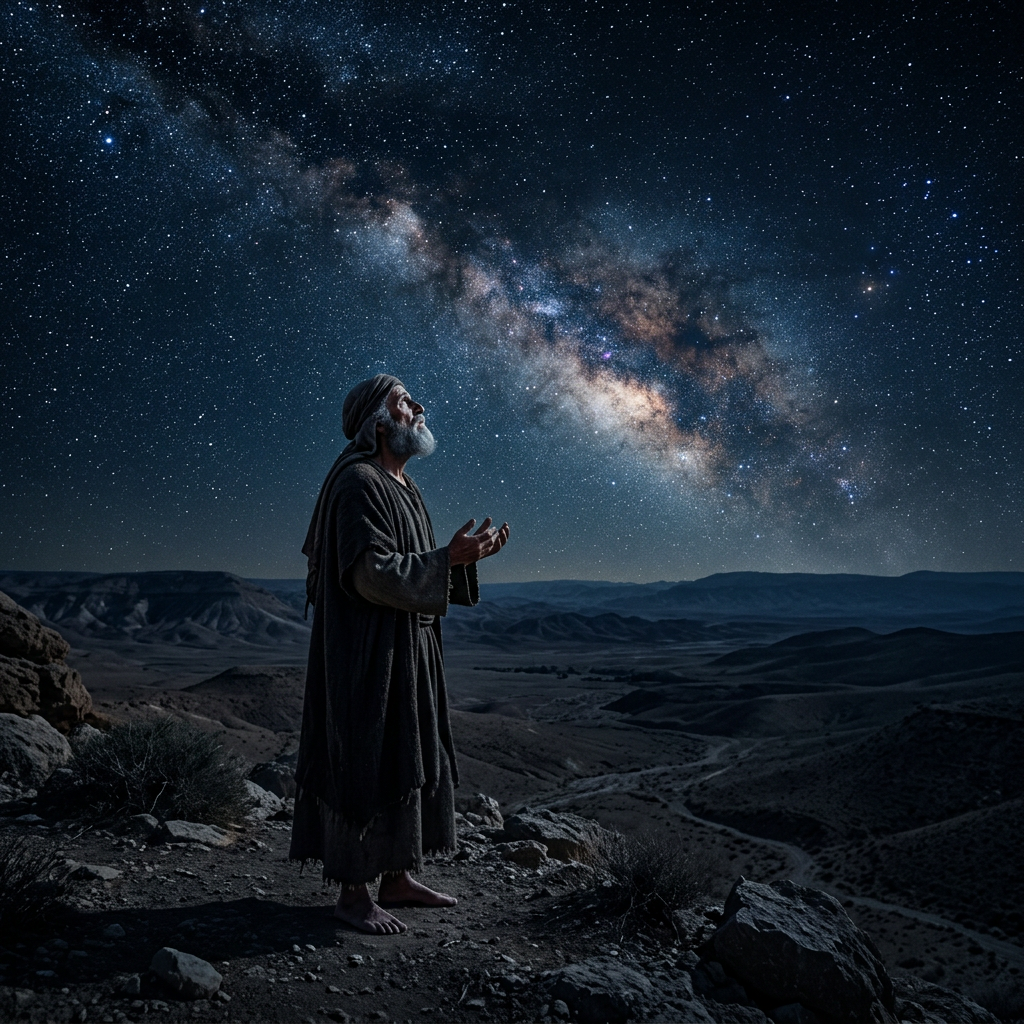
Why did God choose Abraham? Genesis 12 reveals that biblical election is not primarily about privilege but vocation. God called Abraham by grace so that through his family, Israel, and ultimately the Messiah, His blessing might reach all the nations.
-
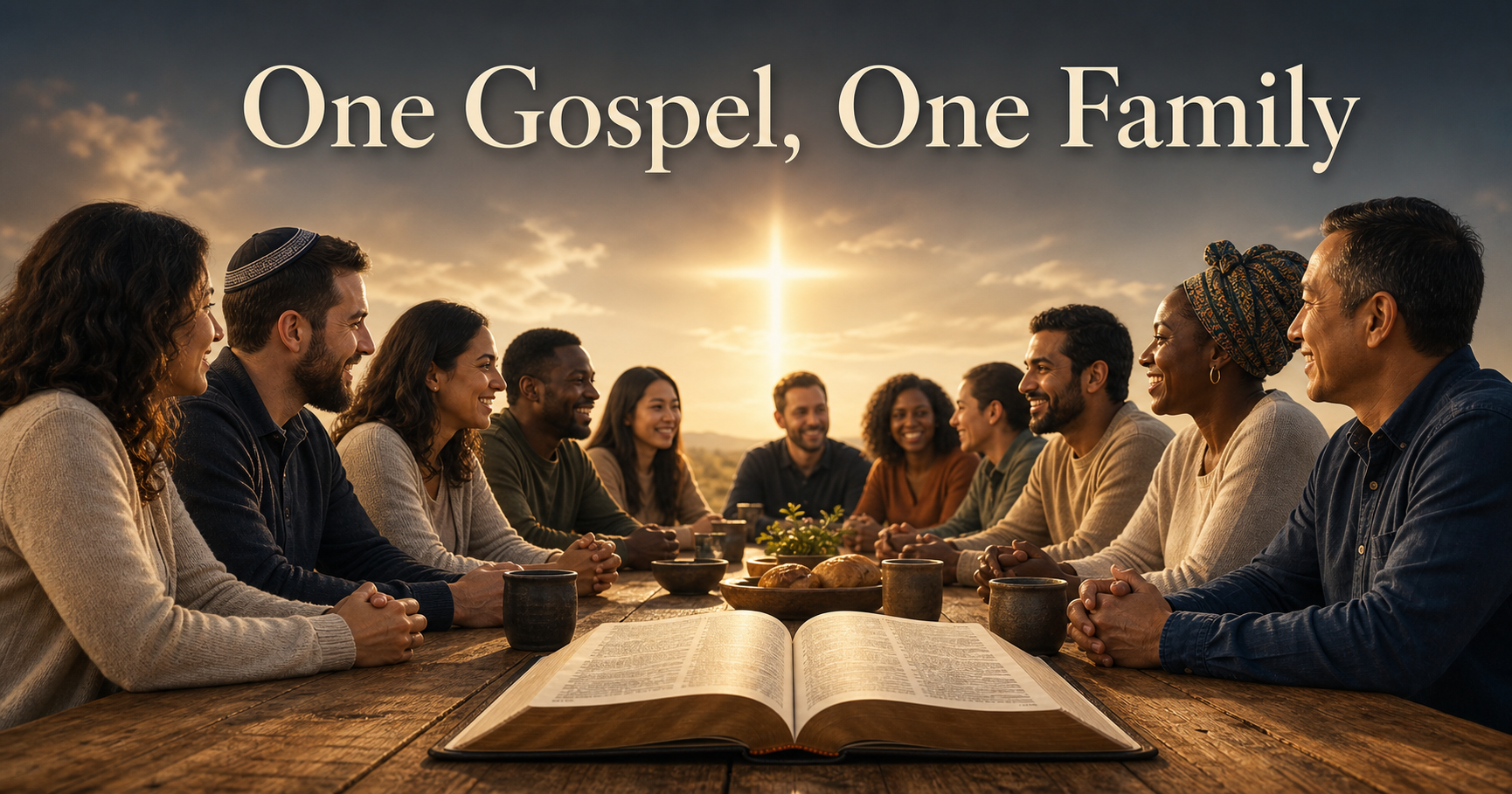
Justification by faith answers more than how sinners can stand righteous before God. In Paul’s Gospel, it also reveals who belongs to Abraham’s family: all who trust in Christ, Jew and Gentile alike.
-
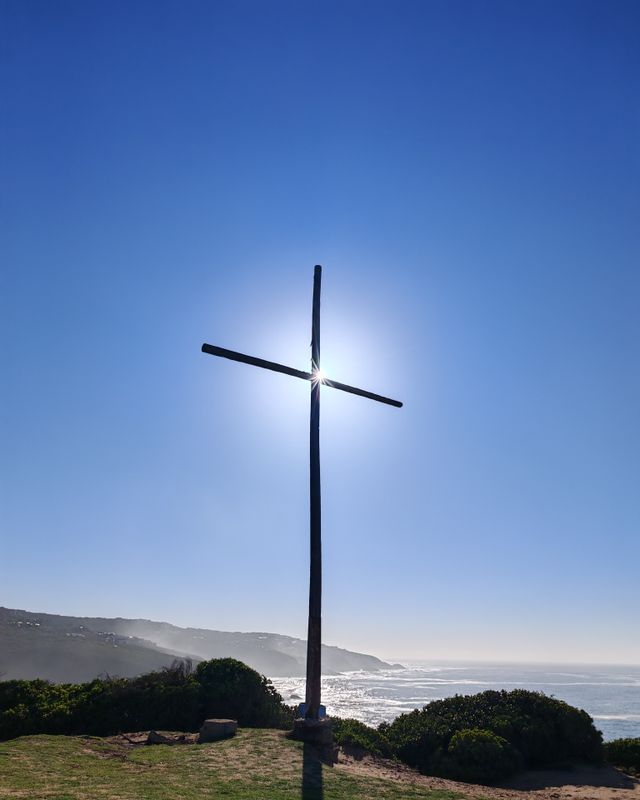
Jesus does not discard Israel’s story; he brings it to its God-appointed goal. Explore how Christ fulfills Israel’s calling as the faithful Son, suffering Servant, righteous King, and light to the nations.
-
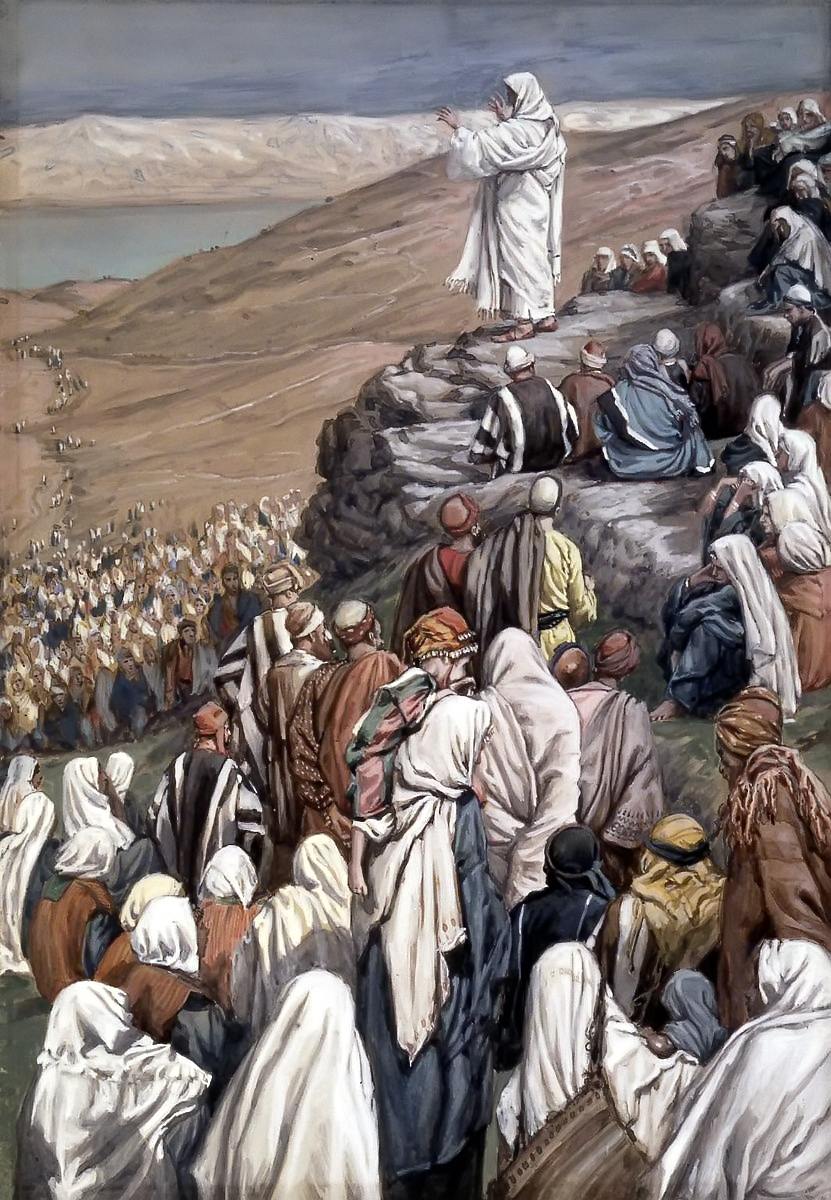
The Beatitudes are more than a list of virtues. They announce God’s blessing, reveal the character of Jesus, and describe a Spirit-formed people who embody the life of his coming kingdom.
-

When God calls Egypt “my people,” Isaiah confronts our instinct to divide the world into “us” and “them.” God judges every nation’s pride and injustice, yet his mercy reaches people we may be tempted to dismiss as enemies.
-

Jesus Christ is not one doctrine among many. Christ-centered theology gives every biblical truth its proper unity while calling the church back to humility, love, and faithful discipleship.