Biblical theology
-
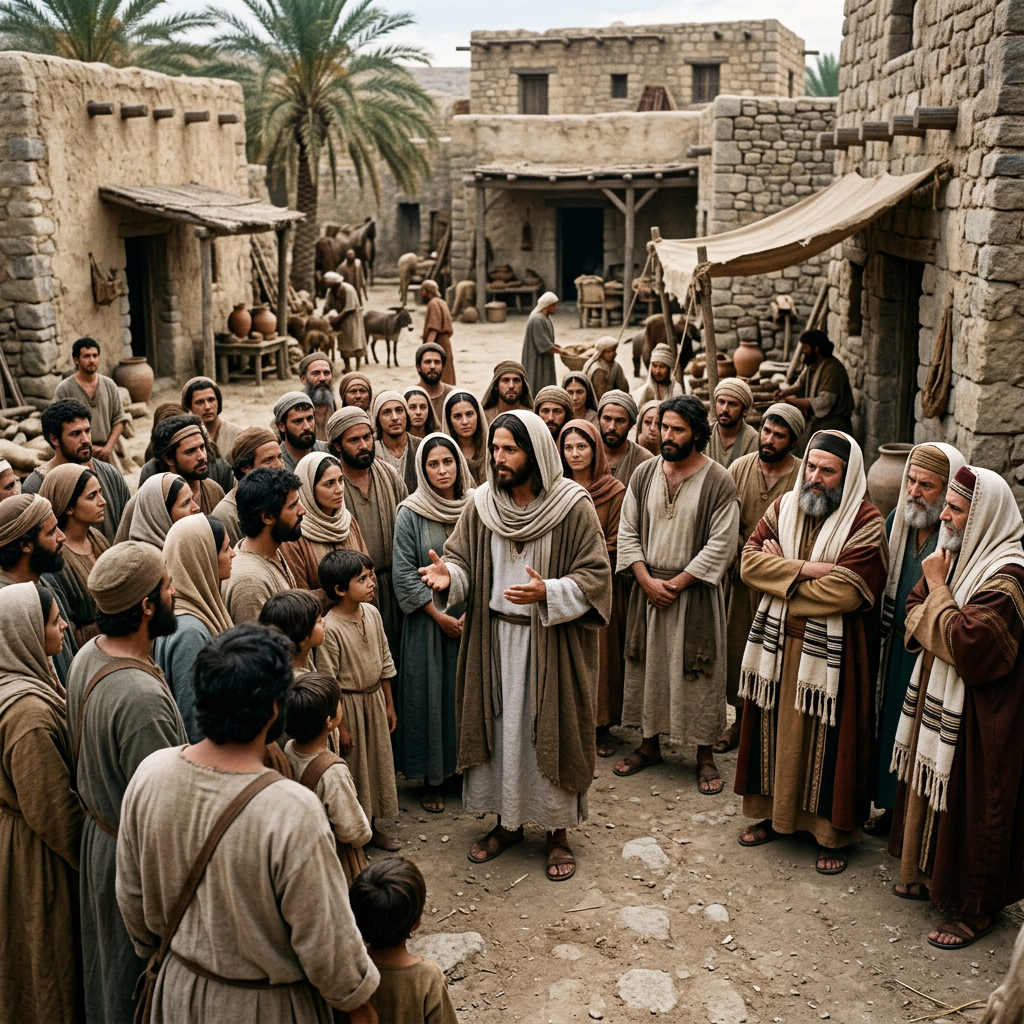
Jesus’ statement that “the kingdom of God is within you” is often treated as an invitation to search for God inside ourselves. But the context of Luke 17:21 points in another direction. The kingdom was already among them because the King Himself stood in their midst.
-

The Trinity did not arise from a mathematical formula. It grew from the church’s attempt to remain faithful to Israel’s confession of one God while recognizing Jesus within the divine identity and the Spirit as God’s personal presence.
-

The Gospel does not merely promise that believers will go to heaven when they die. It announces the lordship of the risen Christ, brings new life in the present, creates a reconciled people, and points toward bodily resurrection and the renewal of creation.
-

Jesus does not discard Israel’s story; he brings it to its God-appointed goal. Explore how Christ fulfills Israel’s calling as the faithful Son, suffering Servant, righteous King, and light to the nations.
-
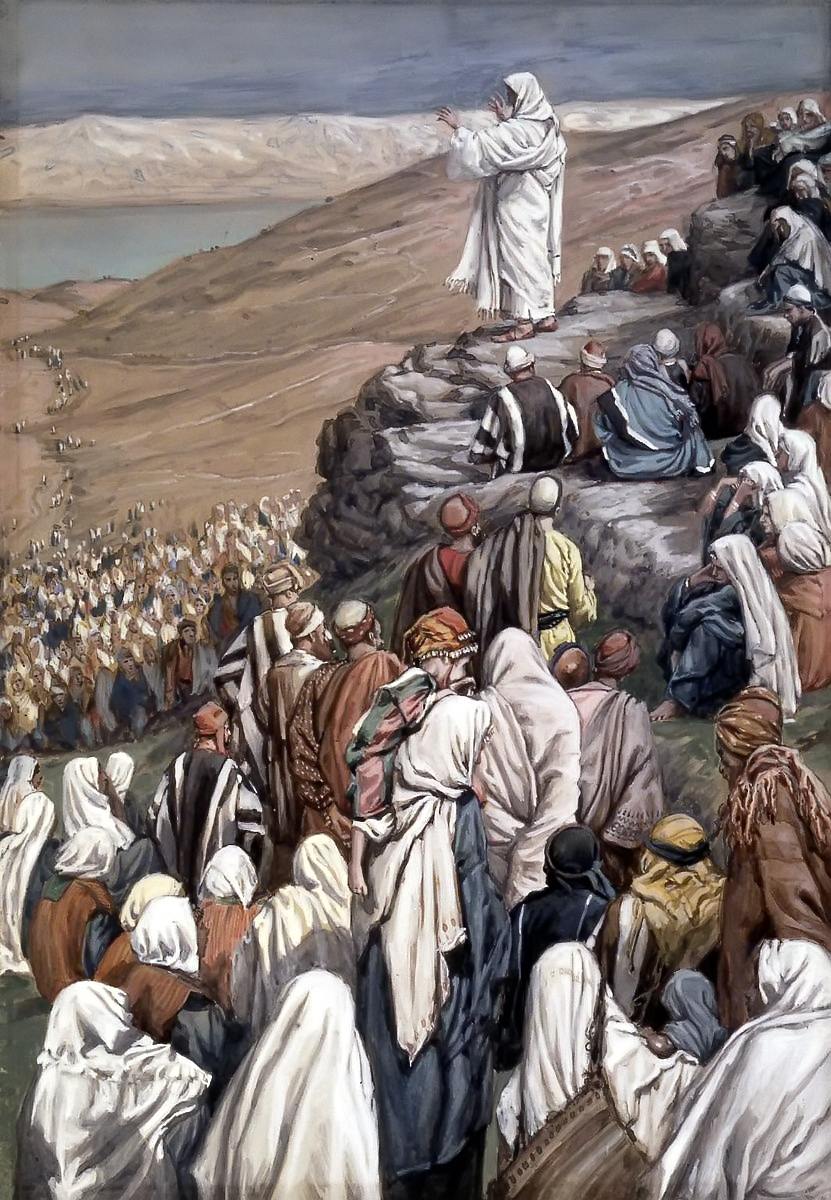
The Beatitudes are more than a list of virtues. They announce God’s blessing, reveal the character of Jesus, and describe a Spirit-formed people who embody the life of his coming kingdom.
-

Discover how the Exodus shapes the New Testament gospel—from Jesus as the true Passover Lamb to His resurrection, the gift of the Spirit, and the journey toward new creation.
-
Covenant is the backbone of the Bible’s unified story. From creation and Abraham to David and the new covenant, every promise leads us to Jesus Christ.
-

Jesus didn’t merely fulfil a list of isolated predictions. He brought Israel’s promises, patterns, covenant hopes, suffering, kingship, temple, and new-creation hope to their intended climax.
-

The Bible speaks to Christians today, but we aren’t its original audience. Faithful interpretation begins in the ancient world of the text, follows the biblical story to Christ, and only then asks how Scripture addresses the church today.
-

Joshua’s conquest narratives are difficult and often misused in modern political conflict. Christians must read them within Israel’s covenantal story and through the cross of Christ. The promised land is never a blank cheque for conquest, displacement, or religious nationalism. Jesus calls His church to pursue truth, justice, mercy, and the healing of the nations.