Biblical theology
-

Empire did not disappear when Babylon fell or Rome faded. It changed form. Christians still face the temptation to trust power, baptize nationalism, and confuse worldly strength with God’s kingdom. But the church belongs to another Lord.
-

In every Middle East crisis, some Christians rush to match Ezekiel with the headlines. But that is not faithful prophecy reading. It is anachronism. And when Bible prophecy is misread this way, it can do more than confuse the church. It can help sanctify conflict instead of calling God’s people to peace, discernment, and hope…
-
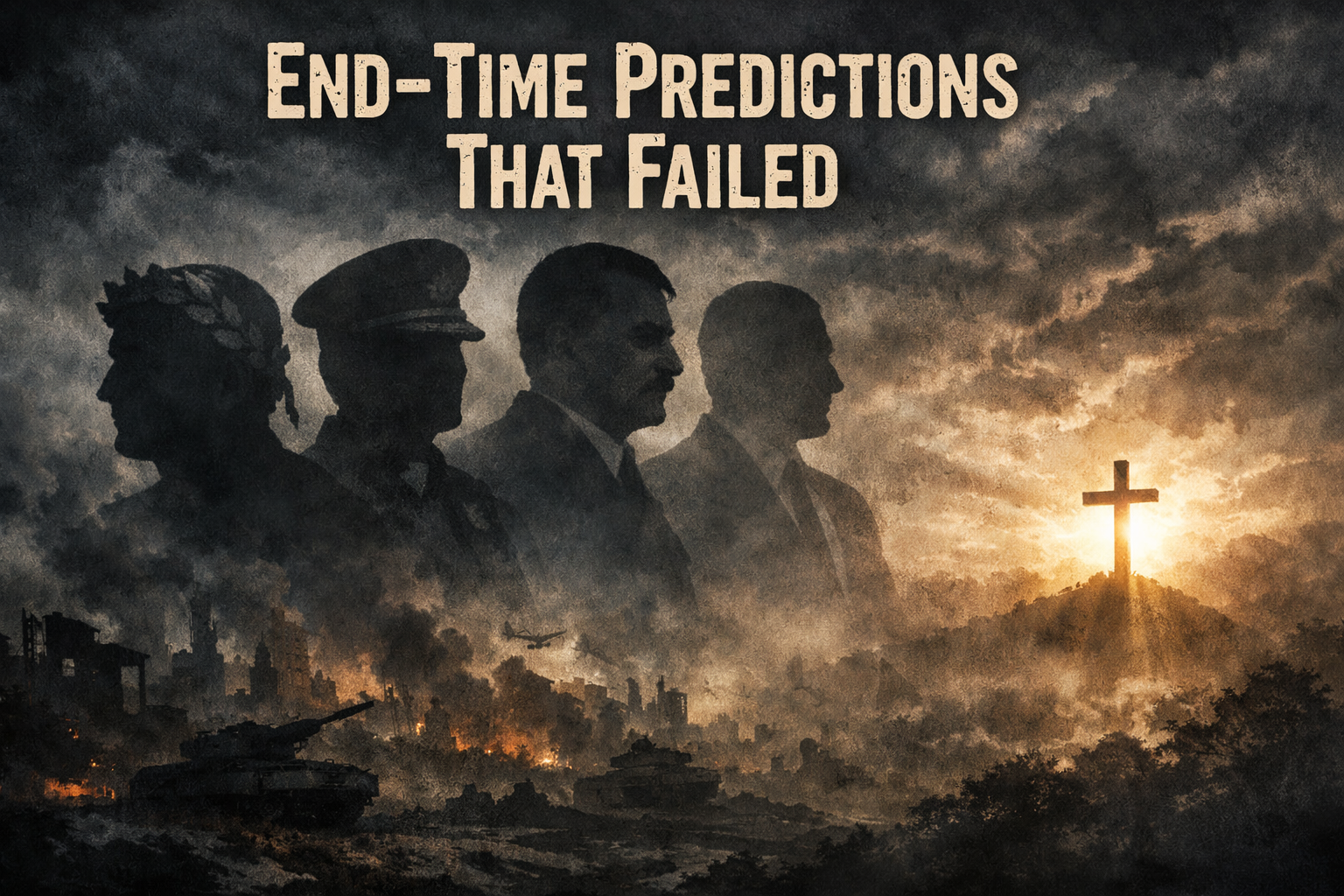
From Nero and Hitler to today’s prophecy scares, history shows that end-time predictions fail again and again. The church is called not to panic, but to sober hope in the risen Christ.
-

In a world shaken by war and fear, Colossians 1:15–20 calls Christians back to the crucified and risen Christ, in whom all things hold together. This essay explores how Christ’s cosmic lordship and cross-shaped peace ground the church’s calling to truthful, costly peacemaking.
-

A pastoral, biblical response to end-times panic. This post argues that the New Testament calls Christians to discern the times ethically—not decode headlines chronologically.
-
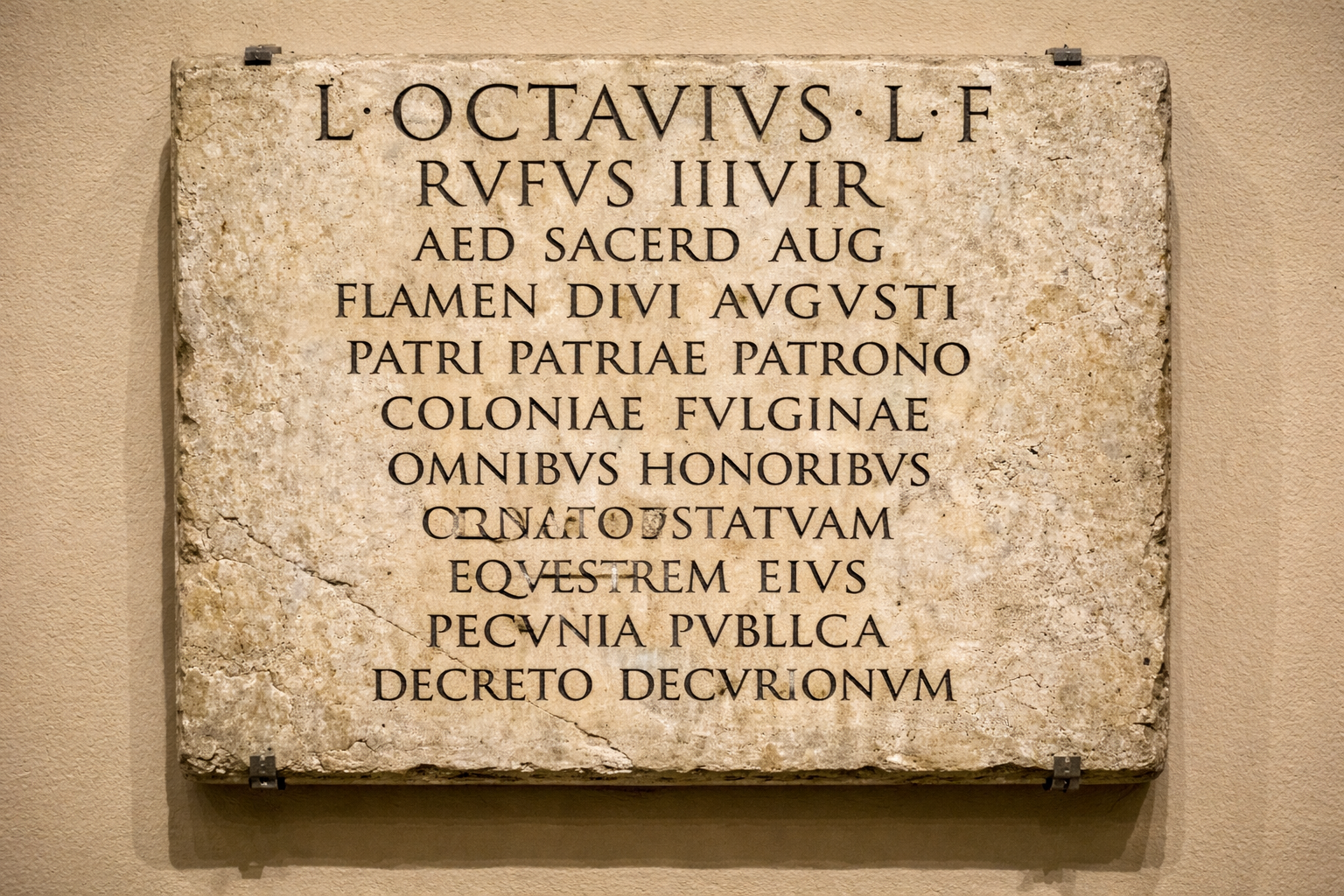
Philippians 2 challenges the church’s instinct for greatness. In a Roman colony shaped by status and public honor, Paul commands believers to “honor such people”—not the powerful or wealthy, but those who serve, risk, and quietly embody the self-giving obedience of Christ. The cross reshapes the church’s honor map.
-
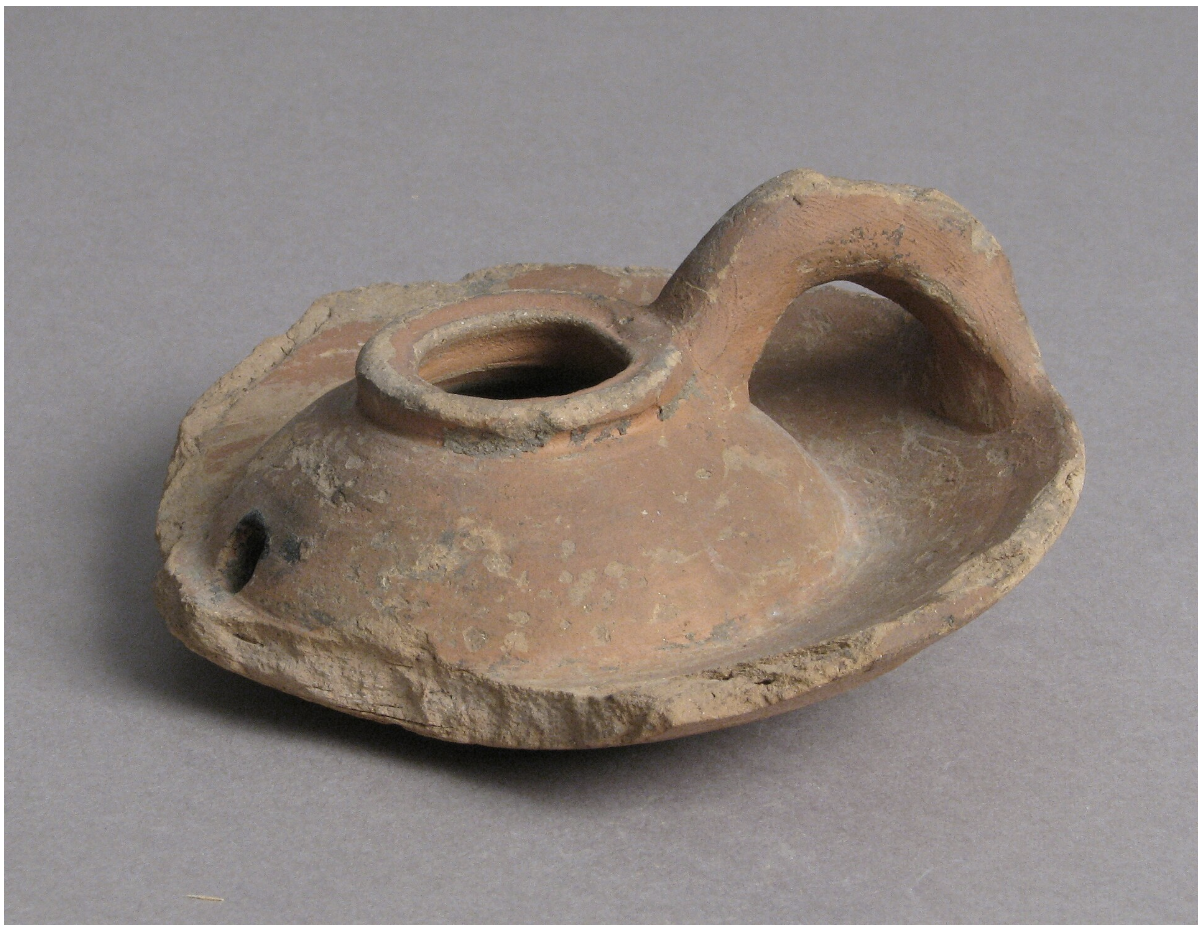
Philippians 2:12–18 does not call believers to anxious effort but to communal embodiment. What Christ enacted in humility and obedience must now take visible shape in the church. Salvation is not achieved by striving; it is worked out because God is already at work. The hymn becomes habit.
-
Paul places the Christ hymn before “work out your salvation” for a reason. Obedience does not create salvation; it embodies it. Philippians 2 reveals that ethics flows from Christ’s story, divine initiative precedes human response, and the church lives between humiliation and vindication as the living echo of its crucified and exalted Lord.
-

Philippians 2:5–11 is not an abstract hymn about Christ’s status, but a song meant to be lived. Placed at the heart of Paul’s exhortation, it rewrites how power, humility, and glory are understood in the life of the church. The crucified Messiah does not model self-erasure, but faithful obedience—and calls his people to become the…
-
Jesus’ warning about the “narrow way” was never meant as a spiritual census. Read within Second Temple Judaism and Paul’s theology of life in Christ, it is a summons to covenant faithfulness, not fear-driven exclusion—calling communities to Spirit-shaped allegiance rather than anxious boundary policing.