Christology
-

Jesus does not discard Israel’s story; he brings it to its God-appointed goal. Explore how Christ fulfills Israel’s calling as the faithful Son, suffering Servant, righteous King, and light to the nations.
-

The Exodus provides one of Scripture’s central patterns for salvation. See how Jesus fulfills its themes as the true Passover Lamb who delivers his people from sin, death, and the powers of evil.
-

Jesus didn’t merely fulfil a list of isolated predictions. He brought Israel’s promises, patterns, covenant hopes, suffering, kingship, temple, and new-creation hope to their intended climax.
-

True devotion to Jesus does not silence the Father or reduce the Spirit. The gospel brings us to the Father, through the Son, in the Spirit. Christ is our High Priest, not to keep us away from God, but to bring us near.
-
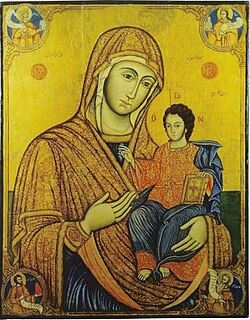
Some teachings try to protect the sinlessness of Jesus by saying his human body was pre-made in heaven and placed inside Mary’s womb. But this does not strengthen the incarnation. It weakens it. The gospel does not say the Son of God avoided our humanity. It says the Word became flesh.
-
Philippians 2:12–18 does not call believers to anxious effort but to communal embodiment. What Christ enacted in humility and obedience must now take visible shape in the church. Salvation is not achieved by striving; it is worked out because God is already at work. The hymn becomes habit.
-
Paul places the Christ hymn before “work out your salvation” for a reason. Obedience does not create salvation; it embodies it. Philippians 2 reveals that ethics flows from Christ’s story, divine initiative precedes human response, and the church lives between humiliation and vindication as the living echo of its crucified and exalted Lord.
-
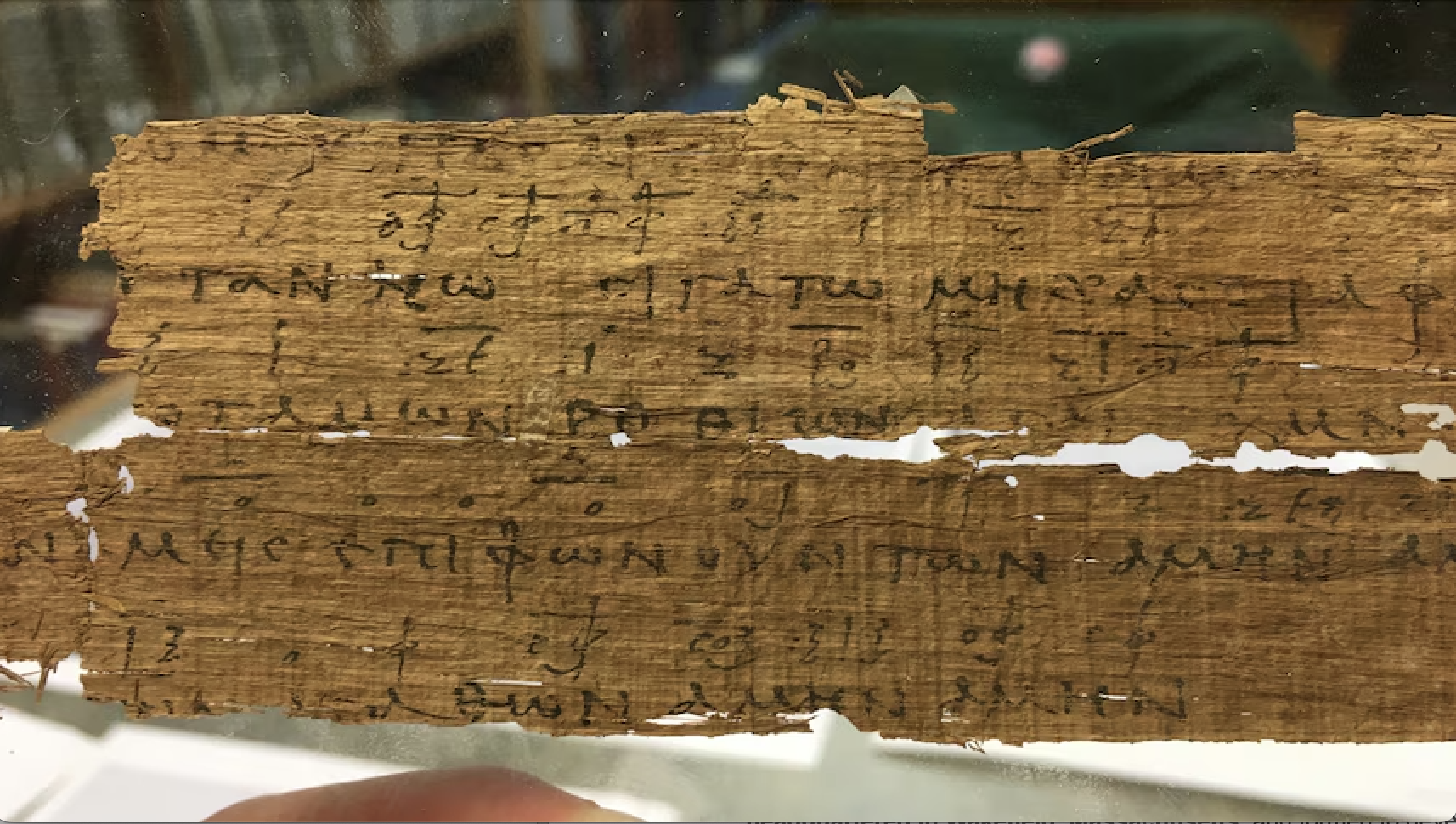
Philippians 2:5–11 is not an abstract hymn about Christ’s status, but a song meant to be lived. Placed at the heart of Paul’s exhortation, it rewrites how power, humility, and glory are understood in the life of the church. The crucified Messiah does not model self-erasure, but faithful obedience—and calls his people to become the…
-
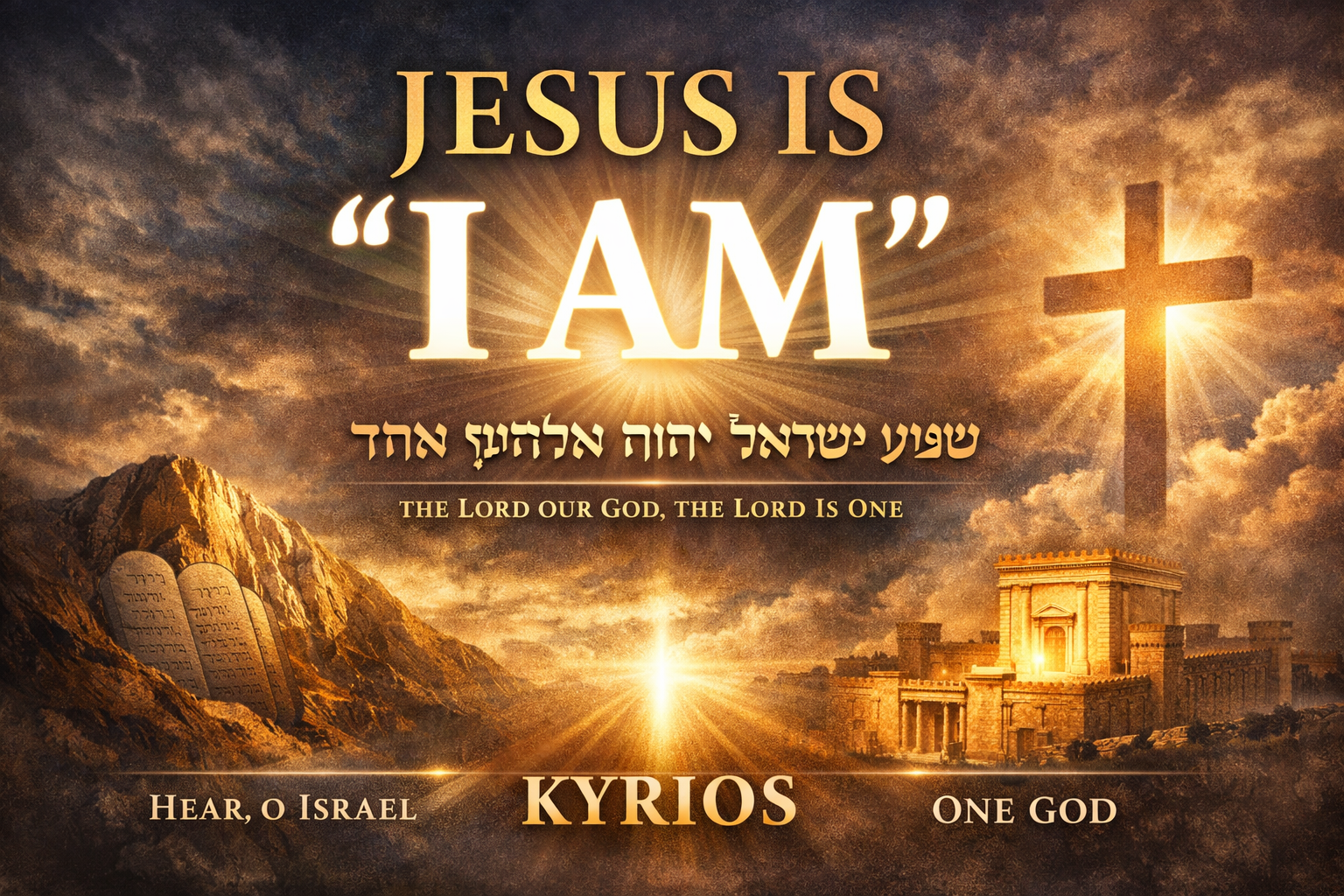
Confessing Jesus as “I AM” did not lead early Christians away from Jewish monotheism—it reshaped it. This post explores how the Shema, kyrios, and Second Temple Jewish thought help us understand how Jesus is included within the divine identity without collapsing Father, Son, and Spirit.
-

Christian faith exalts Jesus as Lord, yet Scripture teaches us to honor him within the Father–Son–Spirit pattern. Christ reveals the Father (John 14:9), brings us to the Father (Heb 2:10), and gives the Spirit who makes us cry “Abba” (Rom 8:15). True Christology follows this triune story.