Philippians
-
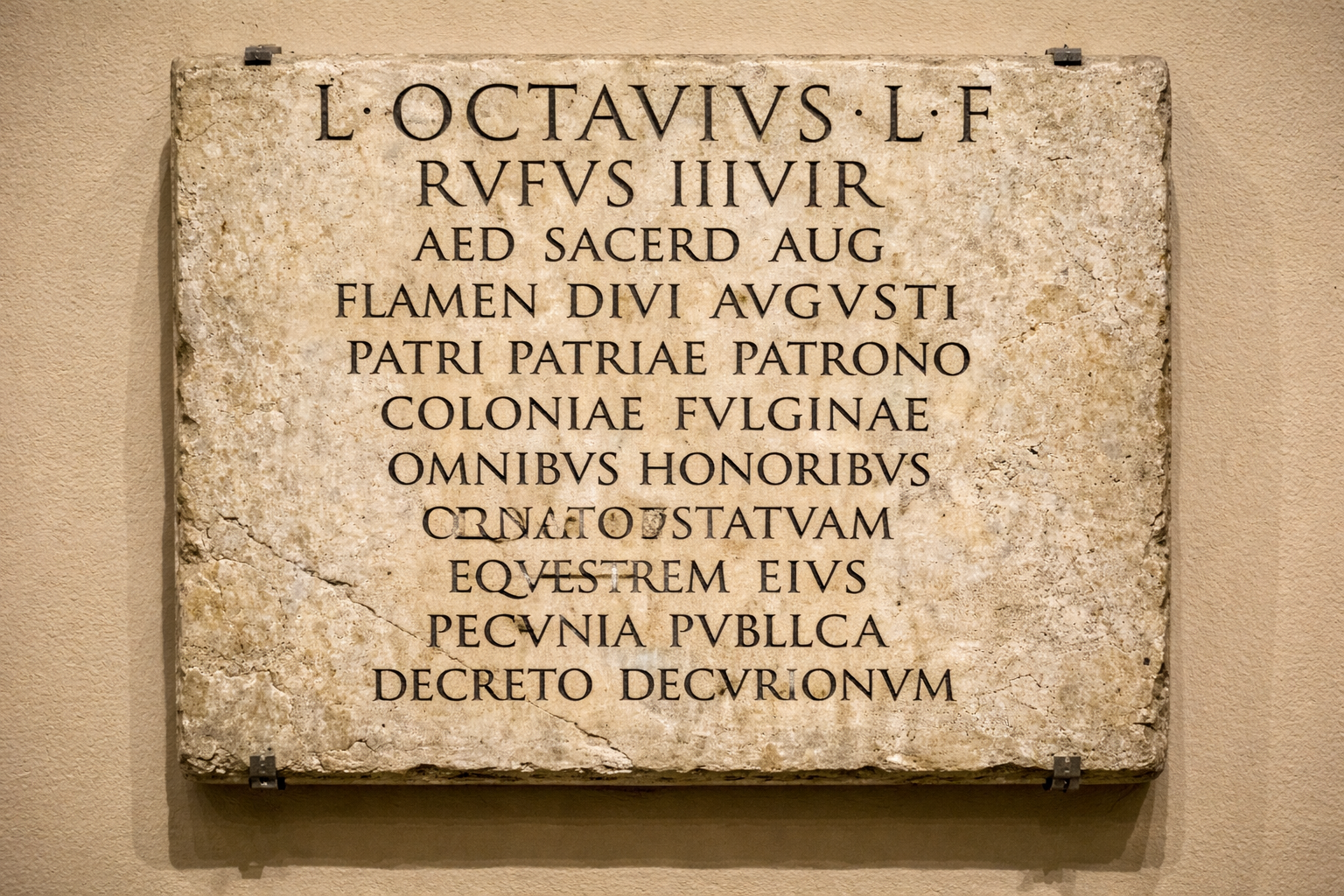
Philippians 2 challenges the church’s instinct for greatness. In a Roman colony shaped by status and public honor, Paul commands believers to “honor such people”—not the powerful or wealthy, but those who serve, risk, and quietly embody the self-giving obedience of Christ. The cross reshapes the church’s honor map.
-
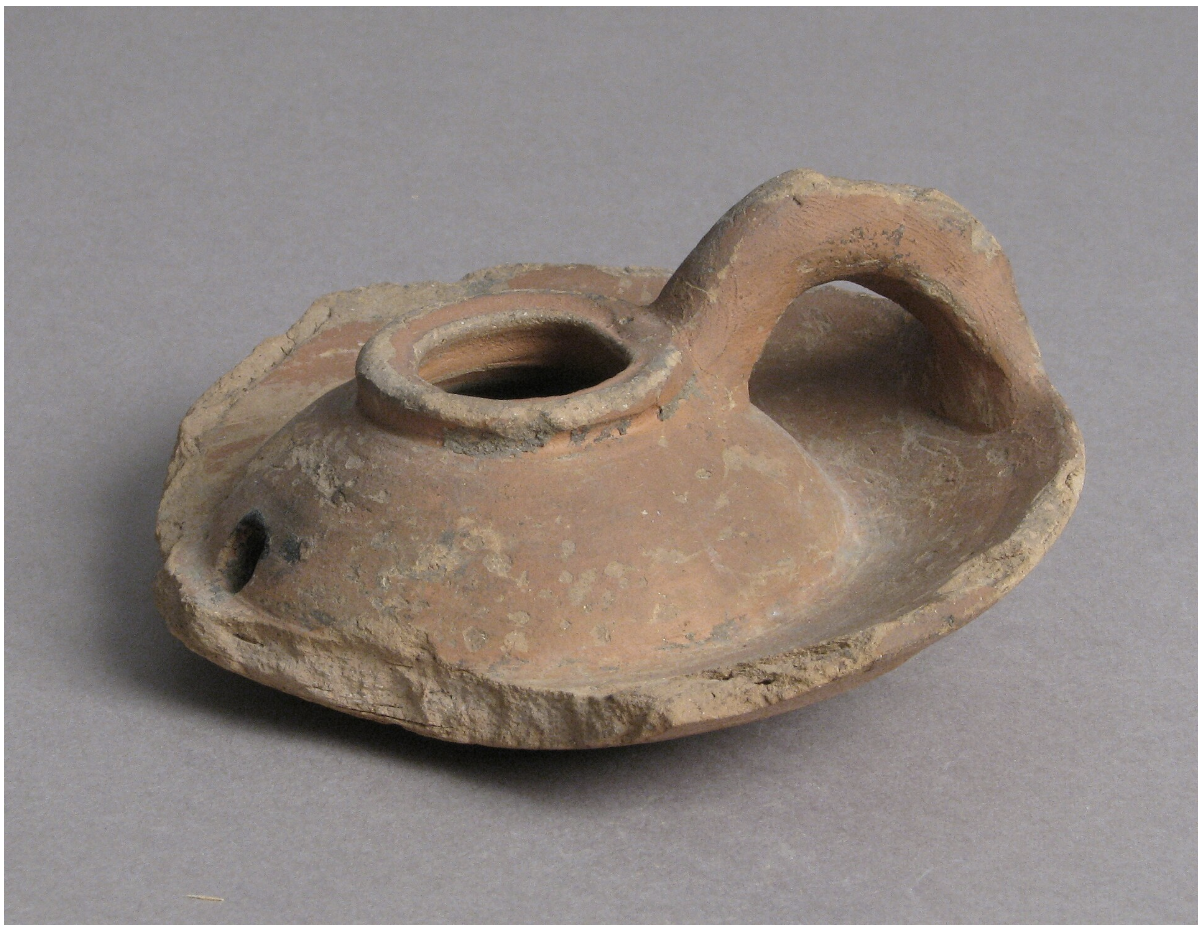
Philippians 2:12–18 does not call believers to anxious effort but to communal embodiment. What Christ enacted in humility and obedience must now take visible shape in the church. Salvation is not achieved by striving; it is worked out because God is already at work. The hymn becomes habit.
-
Paul places the Christ hymn before “work out your salvation” for a reason. Obedience does not create salvation; it embodies it. Philippians 2 reveals that ethics flows from Christ’s story, divine initiative precedes human response, and the church lives between humiliation and vindication as the living echo of its crucified and exalted Lord.
-

Philippians 2:5–11 is not an abstract hymn about Christ’s status, but a song meant to be lived. Placed at the heart of Paul’s exhortation, it rewrites how power, humility, and glory are understood in the life of the church. The crucified Messiah does not model self-erasure, but faithful obedience—and calls his people to become the…
-
Even in prison, the apostle Paul rejoiced because the gospel was advancing. This post explores how God uses weakness, setbacks, and unlikely situations—just as He did for Paul and Dietrich Bonhoeffer—to shine hope and move the gospel forward in surprising ways.
-
A theological reflection on Philippians 2:6–14 exploring Jesus before time, in time, and beyond time—revealing who God is and what it means for us.