Pauline Theology
-

From our side, death feels like waiting. But from the believer’s side, could the next conscious reality after death be the presence of Christ and the dawn of resurrection? This reflection explores death, judgment, and resurrection hope in Christ.
-

Paul does not say we are chosen because we are holy. He says we are chosen to be holy. That small difference protects the gospel from moralism on one side and carelessness on the other. Grace comes first. Holiness follows.
-

Philemon is short, but its message is explosive. Paul shows that grace does not avoid real wounds, deny real debts, or leave old hierarchies untouched. The gospel comes home, and when it does, slave becomes brother, debt becomes mercy, and reconciliation becomes costly.
-

Some Christians claim that all prayer must be addressed only to Jesus, and that praying to the Father is sinful. But Jesus himself taught his disciples to pray, “Our Father.” The New Testament gives us a richer pattern: to the Father, through the Son, in the Spirit.
-

Colossians 3:18–4:1 teaches that every human relationship must now answer to the Lord Christ. Paul refuses to let Christian faith remain lofty in worship but ordinary in the home, the workplace, and daily life. Marriage, parenting, labor, and authority must all come under the rule of Jesus.
-

In Colossians 3:12–17, Paul moves from stripping off the old humanity to putting on the character of Christ. Compassion, kindness, forgiveness, love, peace, and thanksgiving are not optional extras. They are the shared life of God’s new people.
-

Colossians 2:16–19 warns the church against spiritual gatekeeping. When religious systems place fear, rules, or human control between believers and Christ, they deny the sufficiency of the One who alone gives access, nourishment, and true growth.
-
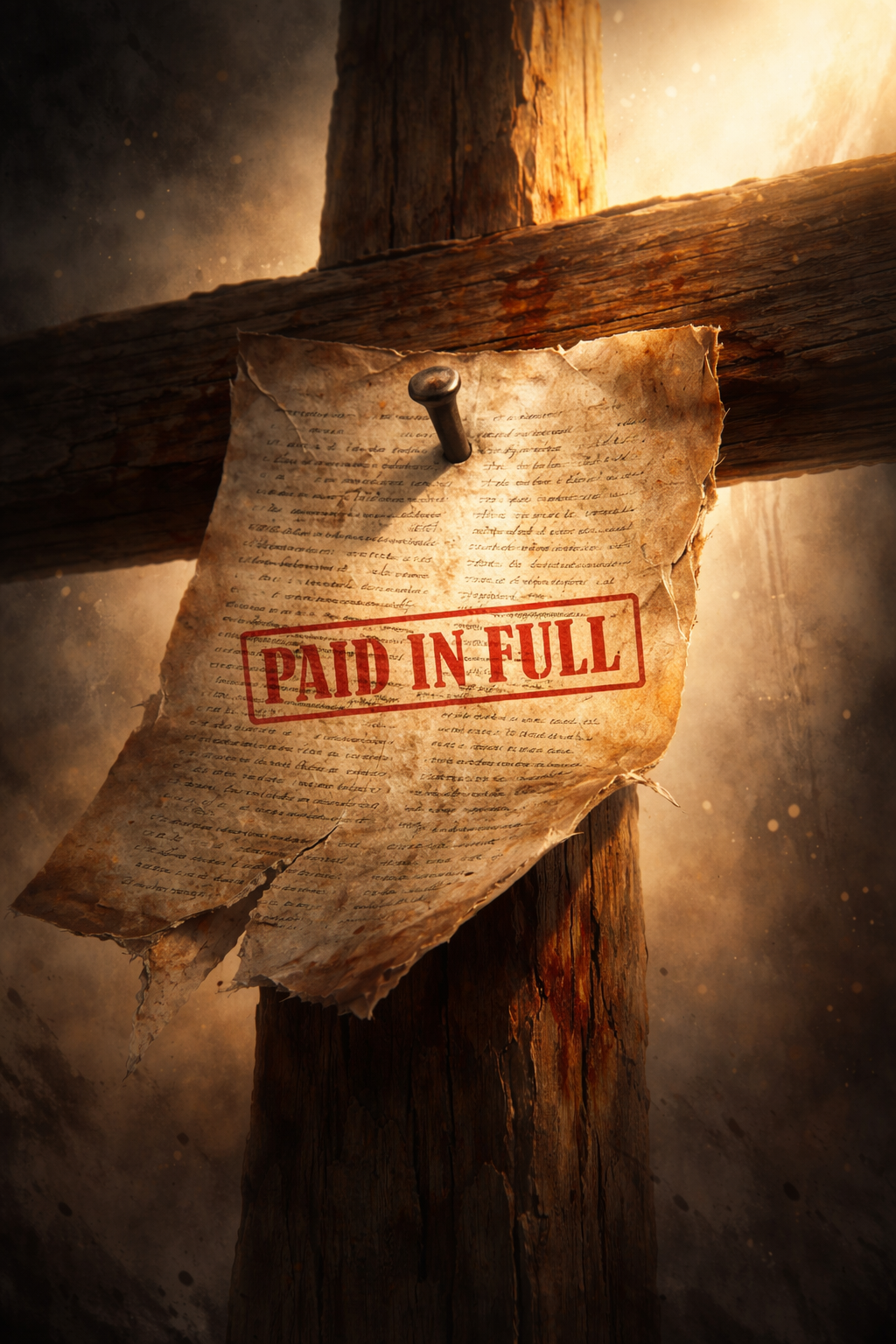
The gospel is not a payment plan. In Colossians 2:13–15, Paul declares that God has forgiven all our trespasses, canceled the record of debt, and nailed it to the cross. Christians do not live before God with an unpaid balance, because Christ is not partial help but God’s full and final provision.
-

In Colossians 2:1–5, Paul warns the church against teachings that sound deep, impressive, and spiritual but slowly push Christ aside. Real strength does not come from secret knowledge or religious hype, but from being rooted in Christ, joined together in love, and made steady in faith.
-
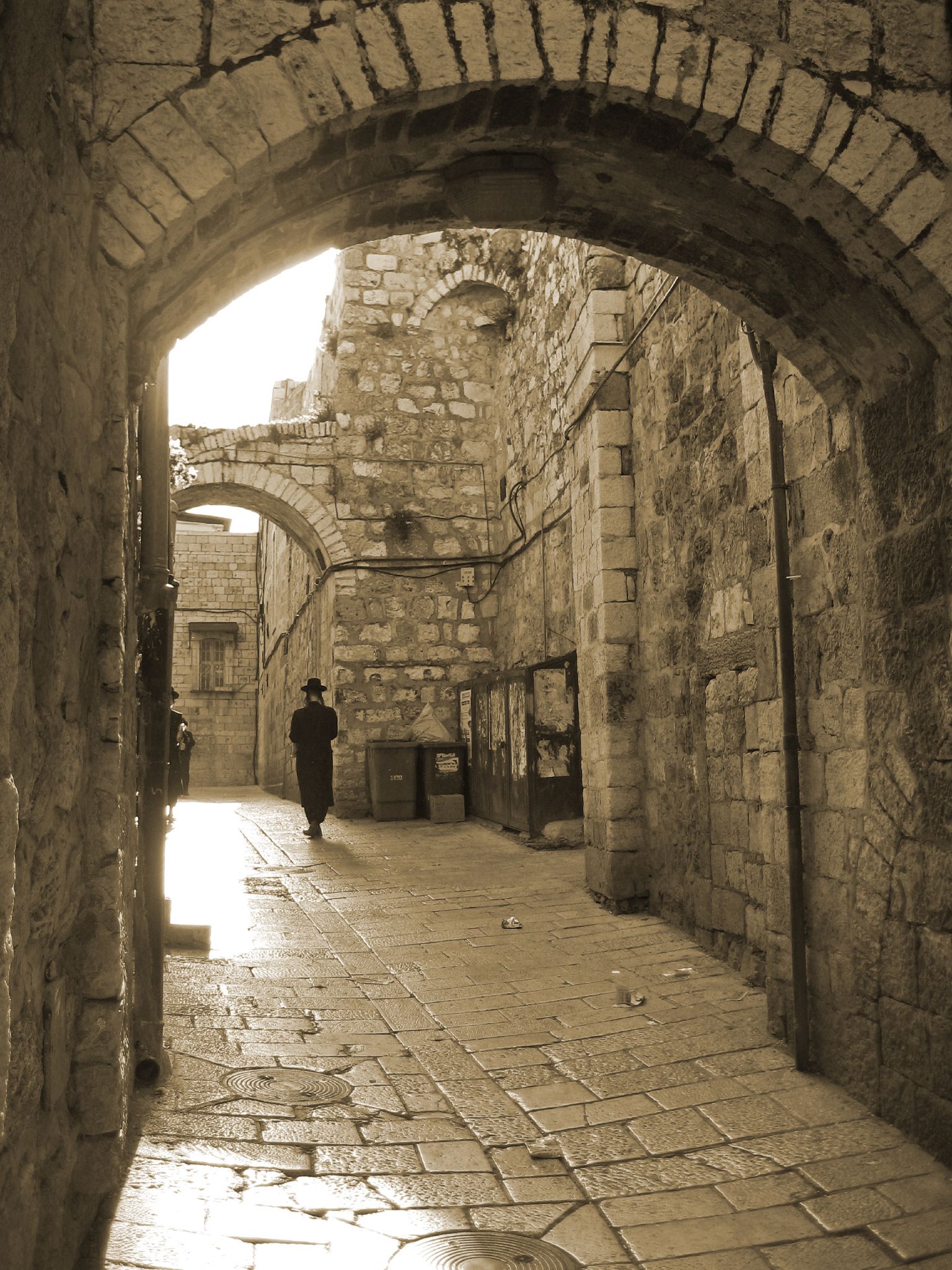
Jesus’ warning about the “narrow way” was never meant as a spiritual census. Read within Second Temple Judaism and Paul’s theology of life in Christ, it is a summons to covenant faithfulness, not fear-driven exclusion—calling communities to Spirit-shaped allegiance rather than anxious boundary policing.