grace
-

Grace does more than forgive our past. This episode explores how God’s saving grace reshapes our desires, trains us in holiness, and prepares us for His renewed creation.
-

God’s grace does more than forgive our sins. According to Titus 2:11–14, grace trains us to reject the desires of the present age, embody the life of God’s coming kingdom, and become a people eager to do good while awaiting Christ’s return.
-

Christian humility is not pretending that we have no gifts or convictions. It is the grace-shaped freedom to follow the Servant King, resist religious pride, and serve others without needing recognition.
-

Philemon is short, but its message is explosive. Paul shows that grace does not avoid real wounds, deny real debts, or leave old hierarchies untouched. The gospel comes home, and when it does, slave becomes brother, debt becomes mercy, and reconciliation becomes costly.
-
Colossians 4:7–18 may look like a closing list of names, but it is far more than that. It shows how the gospel actually moves in the world: through faithful messengers, praying servants, restored workers, hospitable homes, costly endurance, and grace that holds the church together.
-
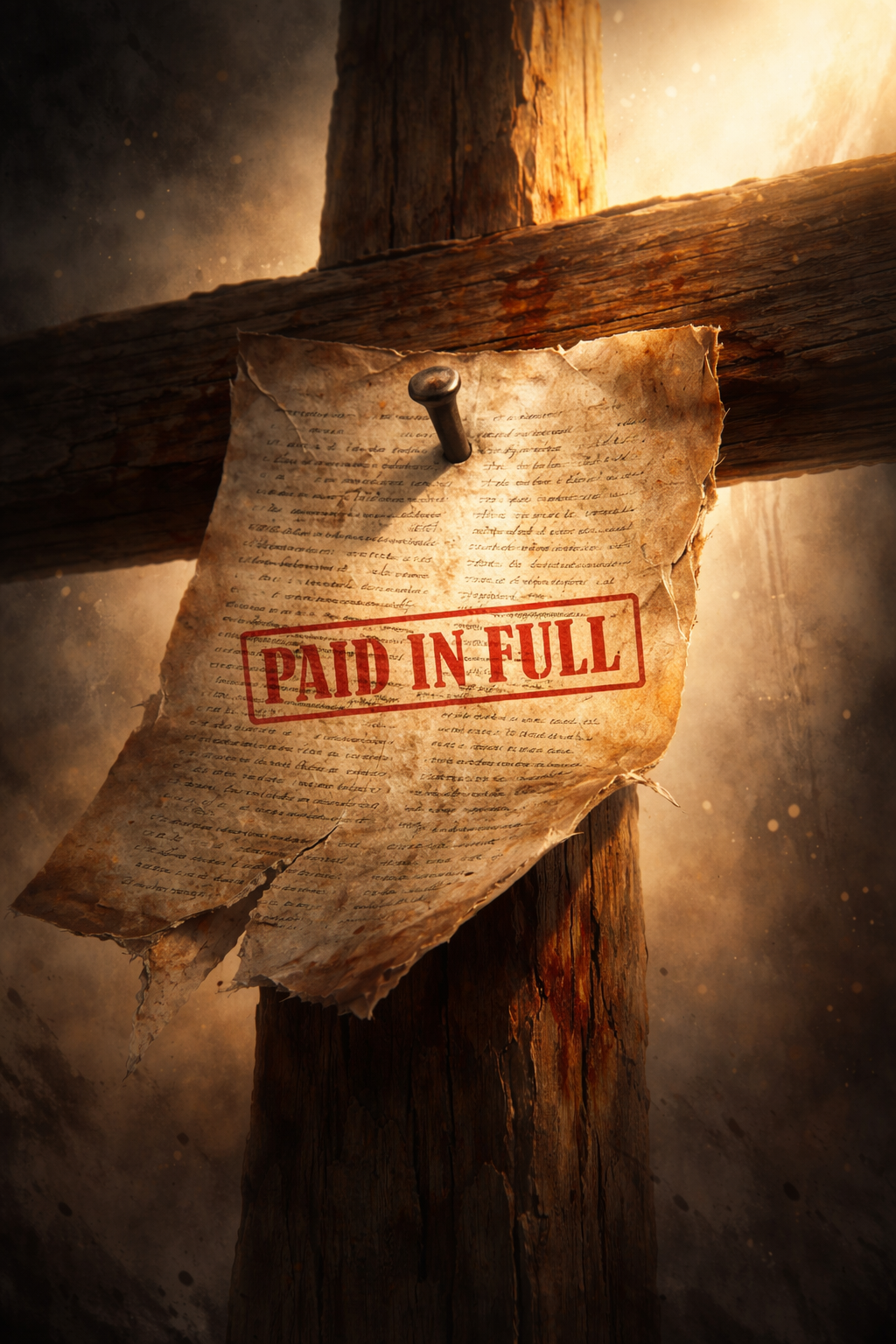
The gospel is not a payment plan. In Colossians 2:13–15, Paul declares that God has forgiven all our trespasses, canceled the record of debt, and nailed it to the cross. Christians do not live before God with an unpaid balance, because Christ is not partial help but God’s full and final provision.
-
Paul’s prayer in Colossians 1:9–14 treats gratitude not as a polite add-on but as a mark of spiritual maturity. When thanksgiving becomes a way of walking—shaping endurance, patience, joy, and community—it resists fear, dismantles pride, and roots daily life in God’s rescue and grace.
-
Many Christians have misunderstood Paul as opposing “legalism” in Judaism, when in fact his writings reveal a deeper concern: who truly belongs to God’s people now that the Messiah has come? This essay unpacks Paul’s vision of faith—not as a ticket to heaven, but as the boundary marker of a new covenant family rooted in…
-
Even in the darkest times—when judgment falls and the world seems to unravel—God never abandons His people. From Noah to Elijah to the exiles in Babylon, Scripture reveals a consistent truth: God always preserves a faithful remnant. This post explores how that unbreakable thread of hope and redemption runs through every season of crisis, reminding…