eschatology
-

Many rapture teachers say we cannot know the day or hour, but we can definitely know the season. Yet the New Testament calls the church not to prophetic anxiety, but to sober readiness, faithful endurance, and hope in the public appearing of Christ.
-

The seven-dispensation scheme may look orderly, but it can divide what the gospel holds together. Scripture tells one covenant story centered on Jesus Christ, Israel’s Messiah and the world’s true Lord.
-

From our side, death feels like waiting. But from the believer’s side, could the next conscious reality after death be the presence of Christ and the dawn of resurrection? This reflection explores death, judgment, and resurrection hope in Christ.
-

God’s eternal purpose in Christ reaches back before creation and moves forward toward the renewal of all things. The gospel is not God’s emergency repair plan. It is his ancient purpose unveiled in Jesus.
-
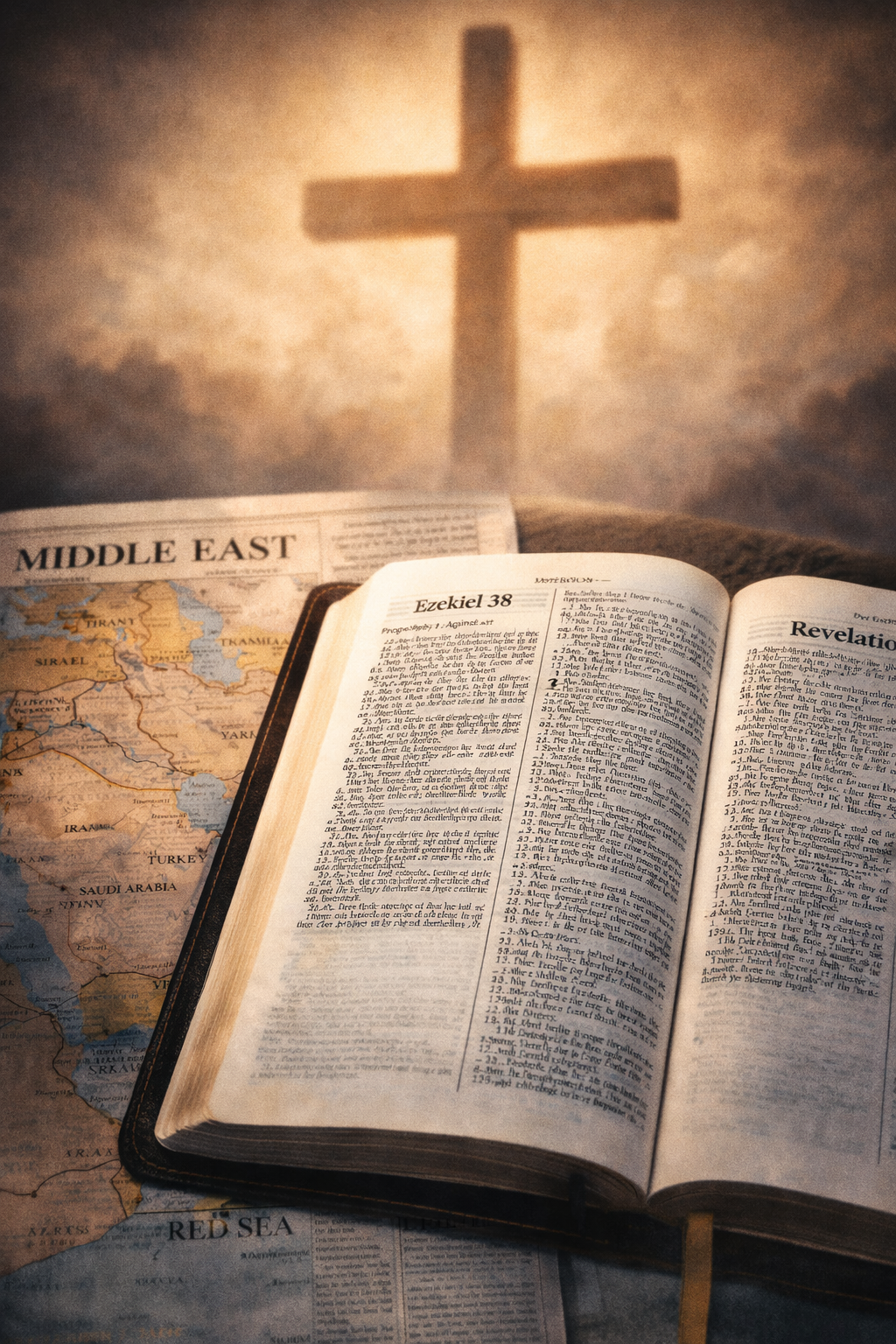
PreTrib Dispensationalism often speaks with striking confidence about the end of the age. But how certain is that confidence, really? Christians must ask whether prophecy has become so rigid that it no longer judges violence by the character of Christ.
-

Resurrection and new creation belong together. The Bible does not give a technical map of how God will renew the world, but it gives us a pattern: the resurrection of Jesus. His risen body shows that God’s future is not the disposal of creation, but its transformation, healing, and final renewal.
-

In troubled times, fear can sound spiritual. It can call itself discernment, vigilance, or prophecy. But the New Testament does not call the church to panic. It calls us to sober thinking, steady hope, and deep confidence in the risen Lord.
-

In every Middle East crisis, some Christians rush to match Ezekiel with the headlines. But that is not faithful prophecy reading. It is anachronism. And when Bible prophecy is misread this way, it can do more than confuse the church. It can help sanctify conflict instead of calling God’s people to peace, discernment, and hope…
-
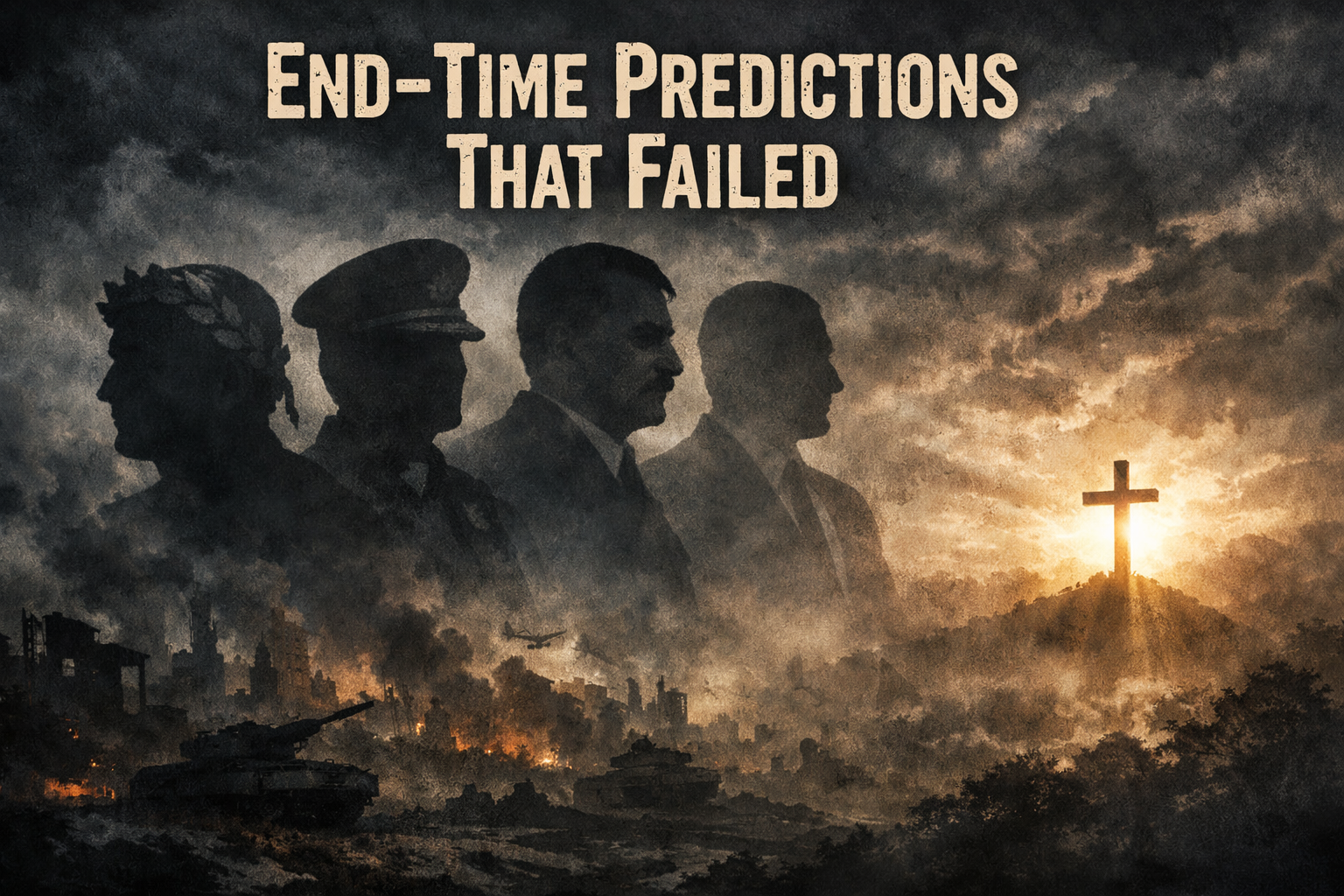
From Nero and Hitler to today’s prophecy scares, history shows that end-time predictions fail again and again. The church is called not to panic, but to sober hope in the risen Christ.
-

A pastoral, biblical response to end-times panic. This post argues that the New Testament calls Christians to discern the times ethically—not decode headlines chronologically.