Christology
-

The Trinity did not arise from a mathematical formula. It grew from the church’s attempt to remain faithful to Israel’s confession of one God while recognizing Jesus within the divine identity and the Spirit as God’s personal presence.
-

Jesus didn’t merely fulfil a list of isolated predictions. He brought Israel’s promises, patterns, covenant hopes, suffering, kingship, temple, and new-creation hope to their intended climax.
-
Hebrews says God spoke through the prophets, while Jesus says no one had heard the Father’s voice. Is this a contradiction? Read these texts through the biblical revelation of the Father, Son, and Holy Spirit.
-
Some Christians use Matthew 6:6 to argue that the Father is hidden, inaccessible, and therefore should not be addressed in prayer. But the very passage they cite says the opposite. Jesus does not forbid prayer to the Father. He commands it.
-
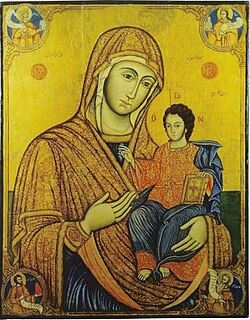
Some teachings try to protect the sinlessness of Jesus by saying his human body was pre-made in heaven and placed inside Mary’s womb. But this does not strengthen the incarnation. It weakens it. The gospel does not say the Son of God avoided our humanity. It says the Word became flesh.
-
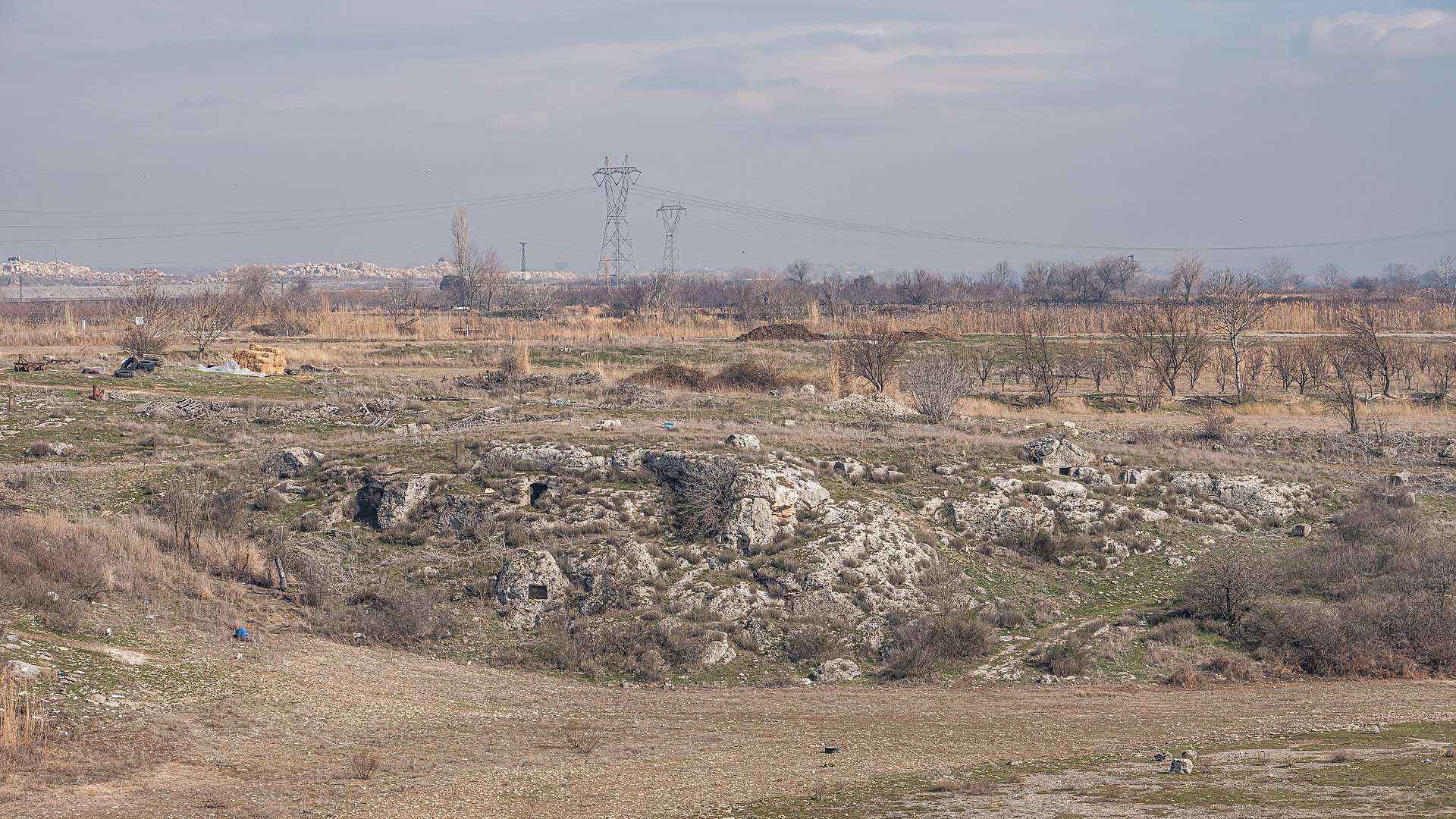
In Colossians, Paul isn’t battling atheism but a seductive “Jesus-plus” spirituality—rules, calendars, ascetic discipline, and even angel-focused mysticism—offered as the pathway to “fullness.” Paul’s urgent claim is that believers don’t graduate beyond Christ: the fullness of God dwells in him, and in him the church is already complete. The letter calls Christians to resist fear-driven…
-
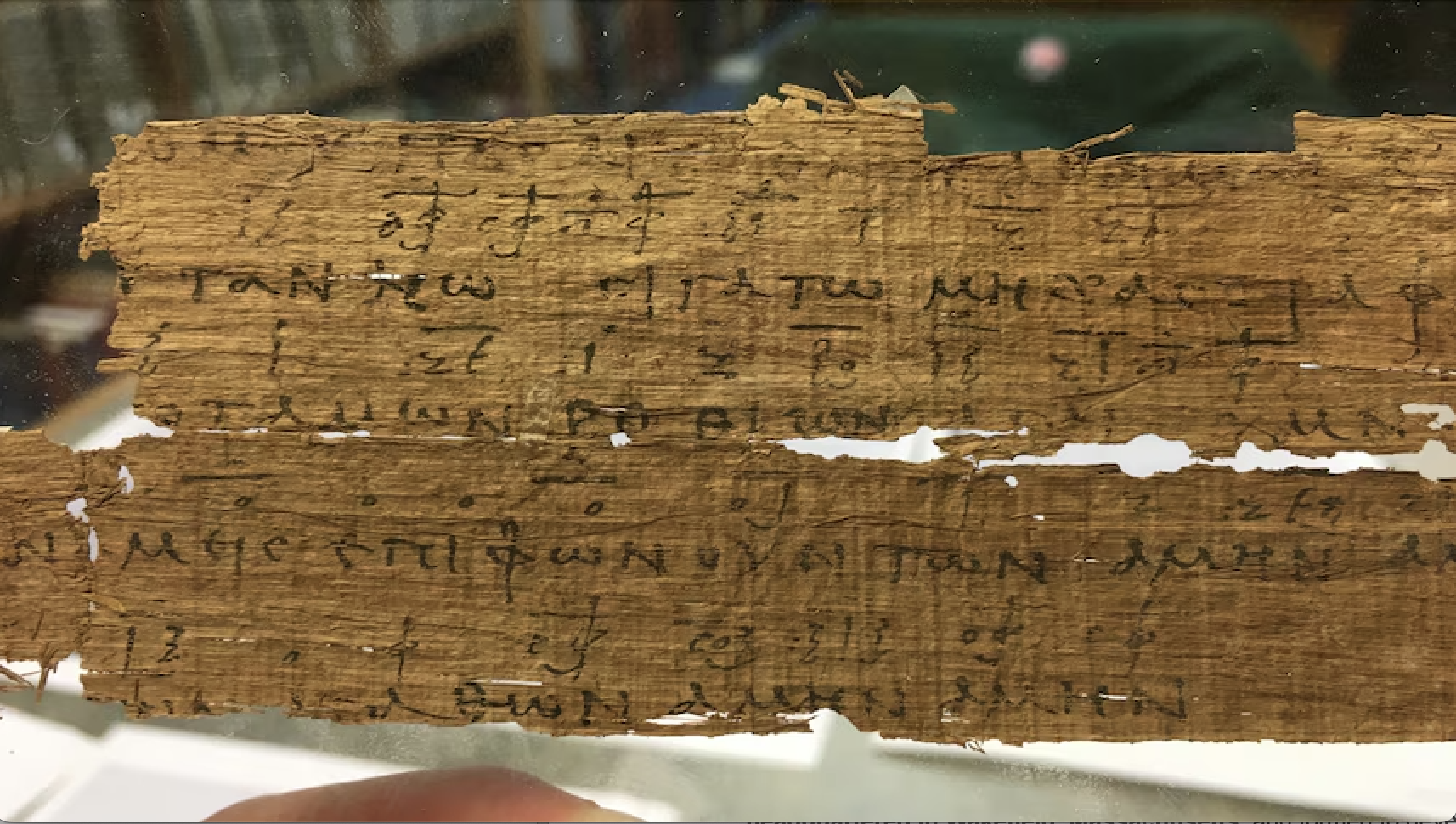
Philippians 2:5–11 is not an abstract hymn about Christ’s status, but a song meant to be lived. Placed at the heart of Paul’s exhortation, it rewrites how power, humility, and glory are understood in the life of the church. The crucified Messiah does not model self-erasure, but faithful obedience—and calls his people to become the…
-

Christian faith exalts Jesus as Lord, yet Scripture teaches us to honor him within the Father–Son–Spirit pattern. Christ reveals the Father (John 14:9), brings us to the Father (Heb 2:10), and gives the Spirit who makes us cry “Abba” (Rom 8:15). True Christology follows this triune story.
-
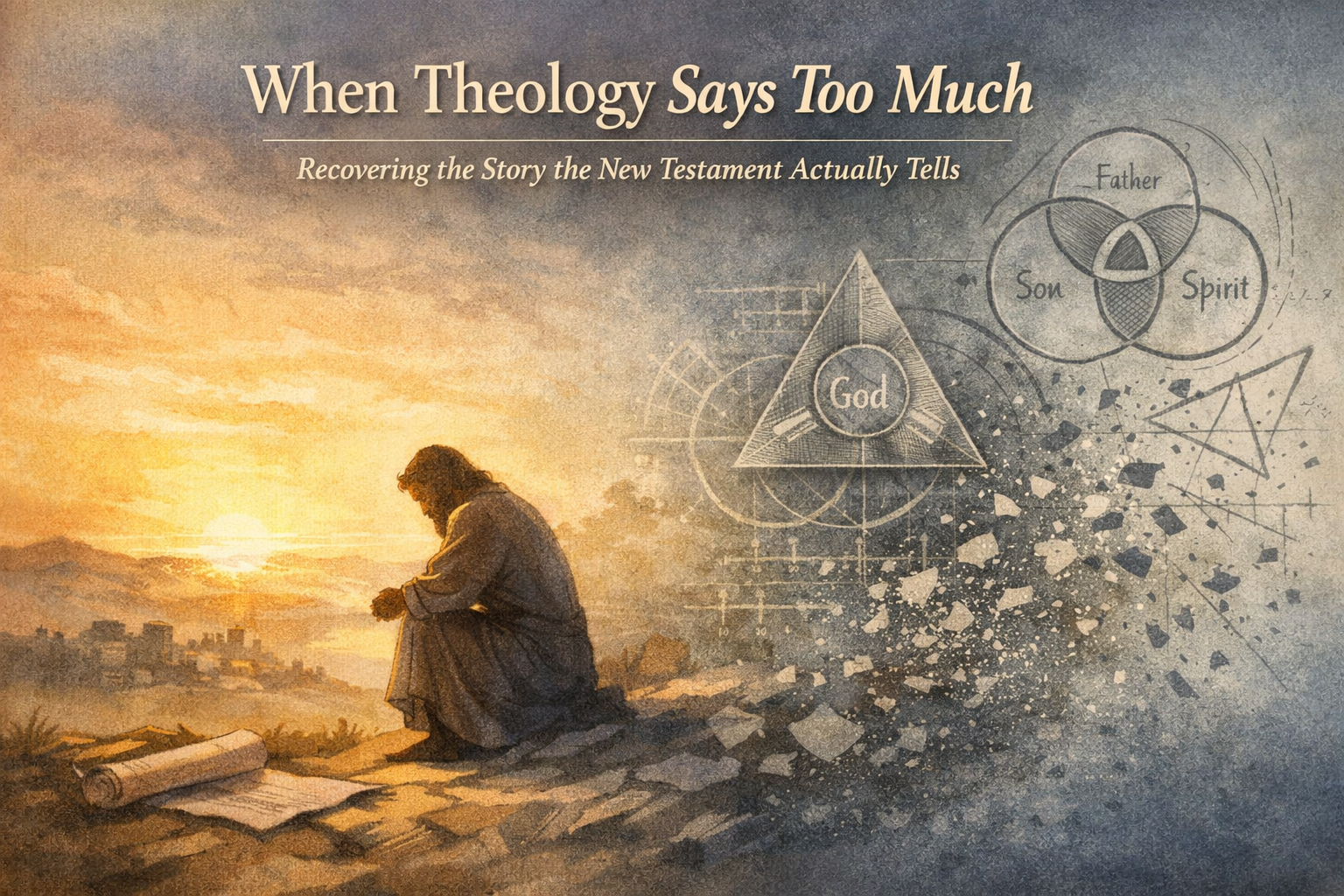
Modern theology often tries to explain Jesus with categories the New Testament never uses. Yet Scripture roots his identity in Israel’s story, not abstract metaphysics. His prayer, obedience, and Spirit-anointed mission reveal the true shape of Sonship—and invite us to recover a Christology grounded in narrative, not speculation.
-
In a world gripped by uncertainty, Revelation 1:8 reminds us that history is not spinning out of control. The One who is, who was, and who is to come—the Alpha and Omega—holds the story from beginning to end. This blog explores the covenantal, Christological, and temple-shaped assurance that grounds our endurance and worship in the…