Pauline studies
-
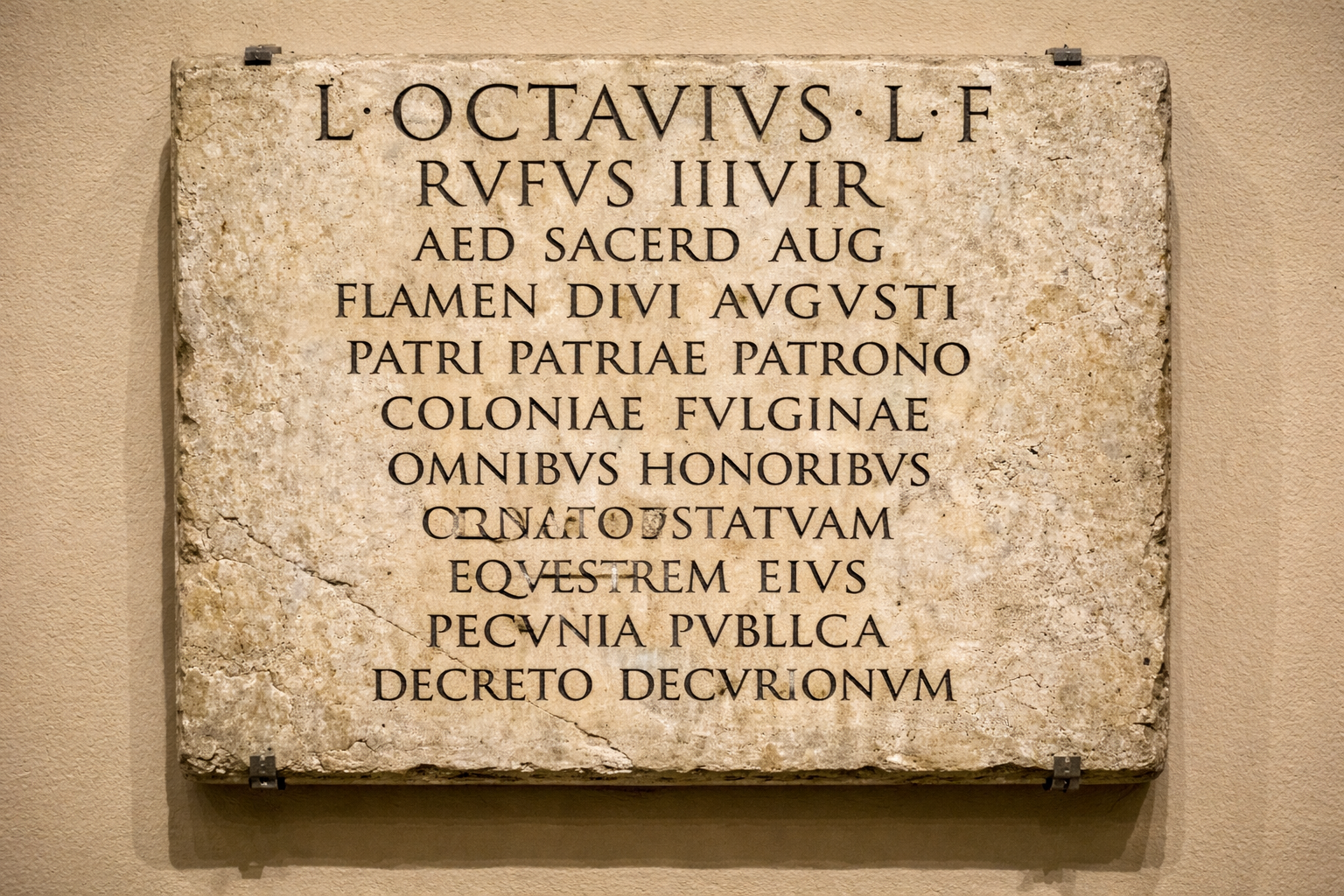
Philippians 2 challenges the church’s instinct for greatness. In a Roman colony shaped by status and public honor, Paul commands believers to “honor such people”—not the powerful or wealthy, but those who serve, risk, and quietly embody the self-giving obedience of Christ. The cross reshapes the church’s honor map.
-

Philippians 2:12–18 does not call believers to anxious effort but to communal embodiment. What Christ enacted in humility and obedience must now take visible shape in the church. Salvation is not achieved by striving; it is worked out because God is already at work. The hymn becomes habit.
-
Paul places the Christ hymn before “work out your salvation” for a reason. Obedience does not create salvation; it embodies it. Philippians 2 reveals that ethics flows from Christ’s story, divine initiative precedes human response, and the church lives between humiliation and vindication as the living echo of its crucified and exalted Lord.
-

Philippians 2:5–11 is not an abstract hymn about Christ’s status, but a song meant to be lived. Placed at the heart of Paul’s exhortation, it rewrites how power, humility, and glory are understood in the life of the church. The crucified Messiah does not model self-erasure, but faithful obedience—and calls his people to become the…
-

Jesus’ warning about the “narrow way” was never meant as a spiritual census. Read within Second Temple Judaism and Paul’s theology of life in Christ, it is a summons to covenant faithfulness, not fear-driven exclusion—calling communities to Spirit-shaped allegiance rather than anxious boundary policing.
-

Israel stumbled over her own Messiah not because she lacked zeal or covenant devotion, but because God fulfilled His promises in a way that overturned long-held expectations. The stone God laid in Zion—fulfilled in the crucified and risen Jesus—did not match the forms Israel assumed God’s faithfulness must take. Paul insists this stumble is neither…
-
Pauline theology, covenant, justification, Spirit, new creation, Romans, Galatians, gospel, church identity, holiness, Torah, Israel, ethics, faithfulness, vocation, covenant renewal, biblical theology
-
Many evangelicals have inherited a view of Paul shaped more by post-Reformation debates than by Paul’s own Jewish context. The New Perspective challenges us to recover the apostle’s original concern: not private salvation alone, but the radical redefinition of God’s people in Christ. This post explores how justification by faith reshapes belonging, table fellowship, and…
-
Many Christians have misunderstood Paul as opposing “legalism” in Judaism, when in fact his writings reveal a deeper concern: who truly belongs to God’s people now that the Messiah has come? This essay unpacks Paul’s vision of faith—not as a ticket to heaven, but as the boundary marker of a new covenant family rooted in…