New Testament
-

Empire did not disappear when Babylon fell or Rome faded. It changed form. Christians still face the temptation to trust power, baptize nationalism, and confuse worldly strength with God’s kingdom. But the church belongs to another Lord.
-

Where can true safety be found in a fallen world? Not in wealth, power, or control, but in Christ, whose death and resurrection hold God’s people secure even in the midst of chaos.
-

In Colossians, Paul isn’t battling atheism but a seductive “Jesus-plus” spirituality—rules, calendars, ascetic discipline, and even angel-focused mysticism—offered as the pathway to “fullness.” Paul’s urgent claim is that believers don’t graduate beyond Christ: the fullness of God dwells in him, and in him the church is already complete. The letter calls Christians to resist fear-driven…
-
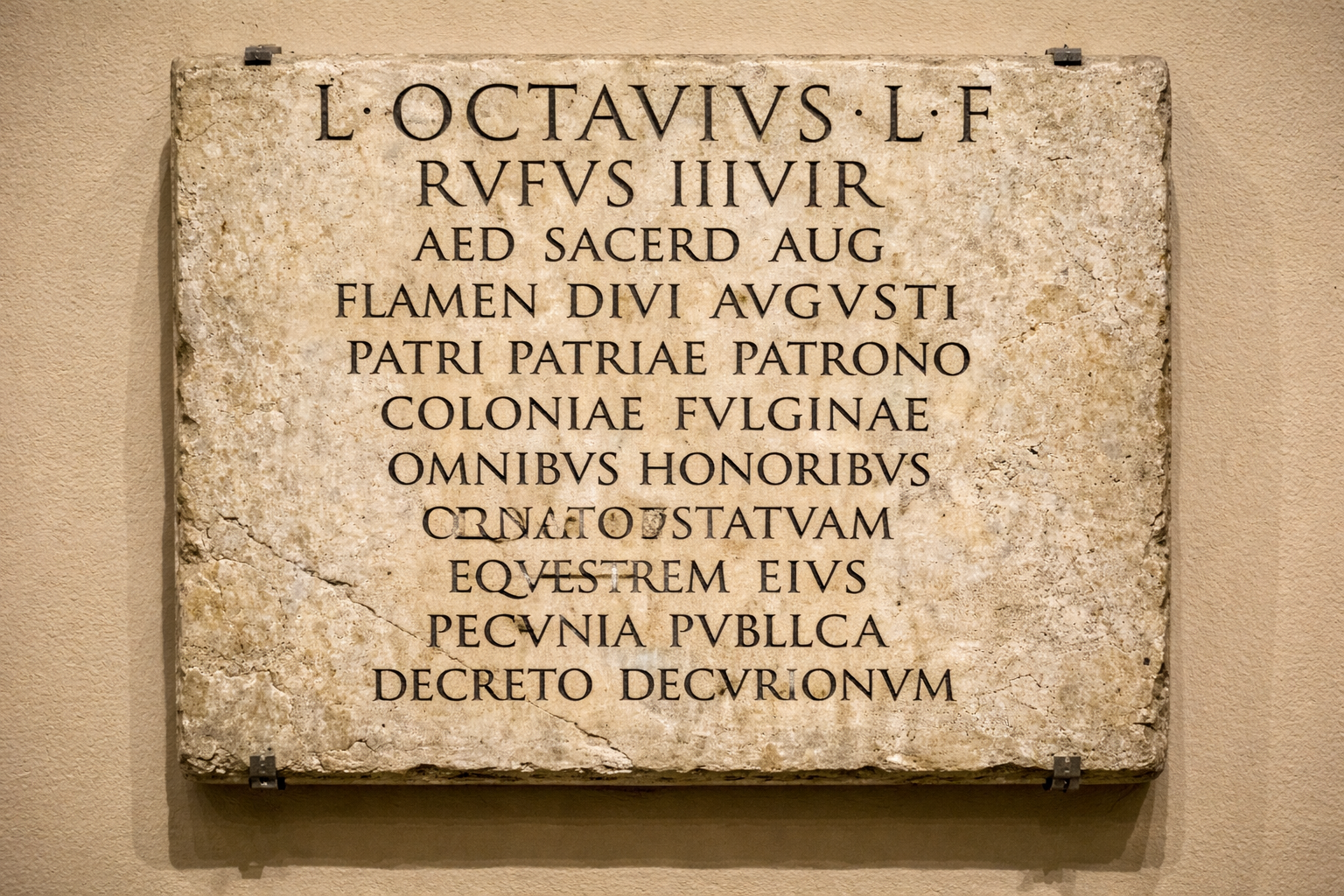
Philippians 2 challenges the church’s instinct for greatness. In a Roman colony shaped by status and public honor, Paul commands believers to “honor such people”—not the powerful or wealthy, but those who serve, risk, and quietly embody the self-giving obedience of Christ. The cross reshapes the church’s honor map.
-
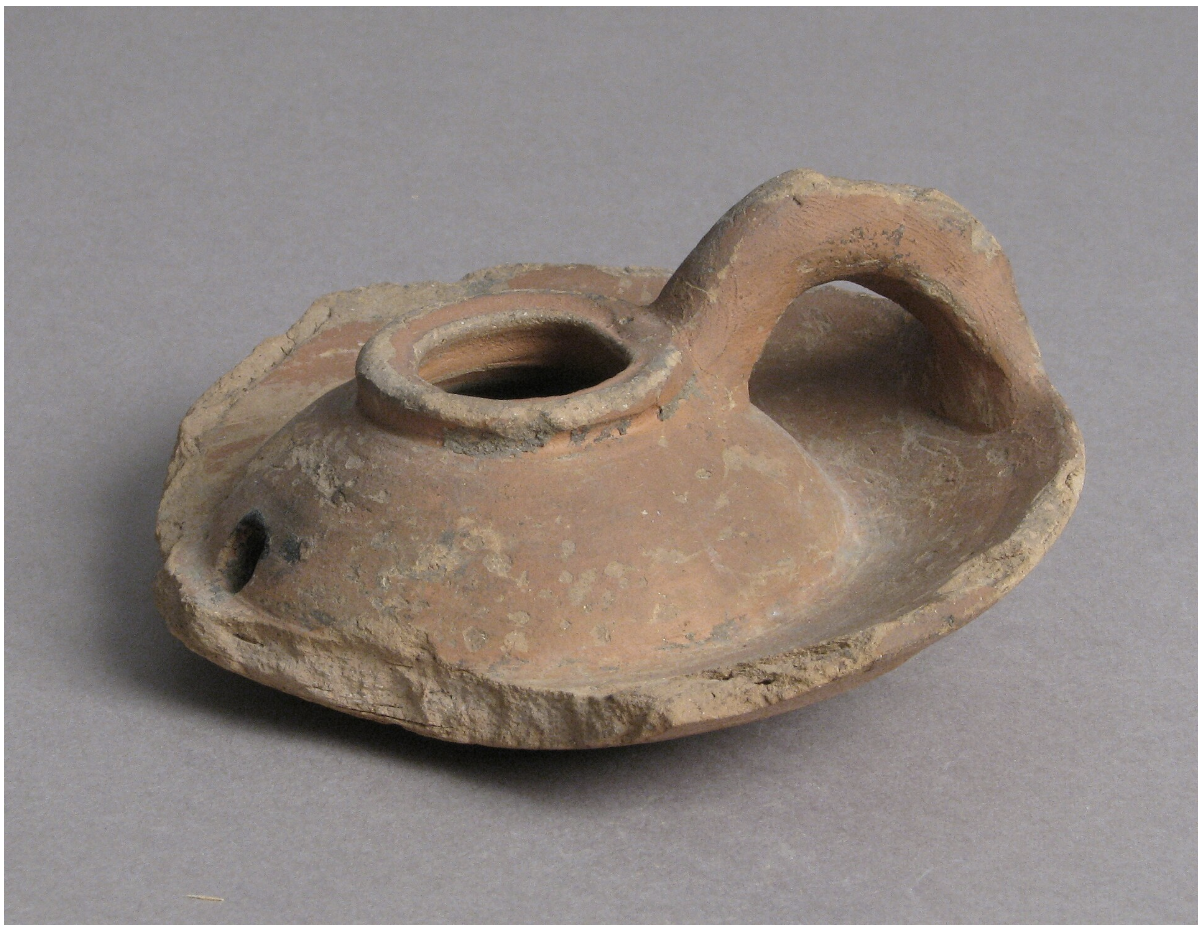
Philippians 2:12–18 does not call believers to anxious effort but to communal embodiment. What Christ enacted in humility and obedience must now take visible shape in the church. Salvation is not achieved by striving; it is worked out because God is already at work. The hymn becomes habit.
-
Paul places the Christ hymn before “work out your salvation” for a reason. Obedience does not create salvation; it embodies it. Philippians 2 reveals that ethics flows from Christ’s story, divine initiative precedes human response, and the church lives between humiliation and vindication as the living echo of its crucified and exalted Lord.
-
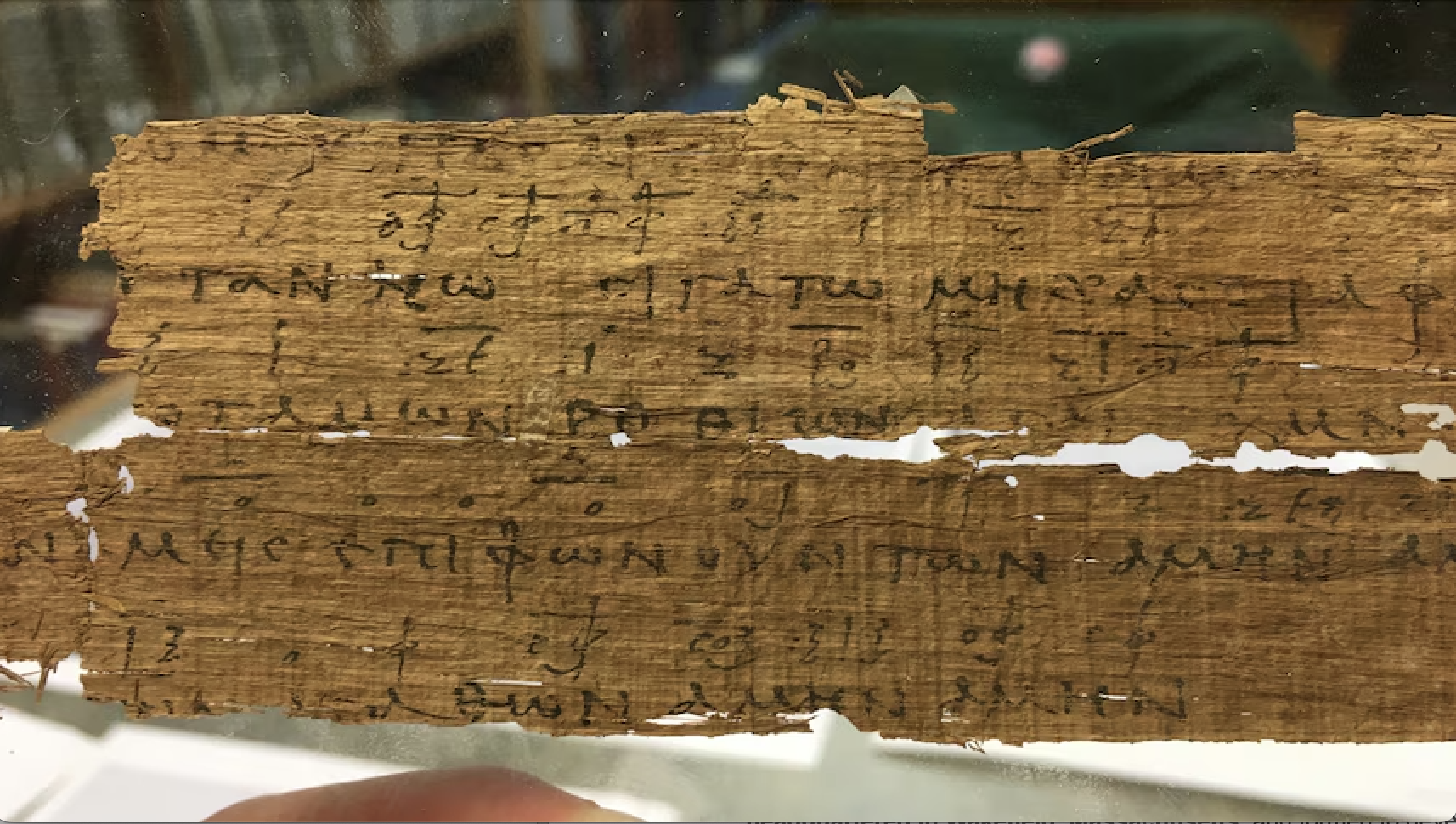
Philippians 2:5–11 is not an abstract hymn about Christ’s status, but a song meant to be lived. Placed at the heart of Paul’s exhortation, it rewrites how power, humility, and glory are understood in the life of the church. The crucified Messiah does not model self-erasure, but faithful obedience—and calls his people to become the…
-

Humility in Philippians 2 is not weakness or self-erasure. It is gospel-shaped strength: the courage to refuse rivalry, to serve without grasping for status, and to trust God for vindication. Paul grounds this posture in Jesus’ self-emptying obedience—and shows how such humility forms unity and becomes public witness.
-
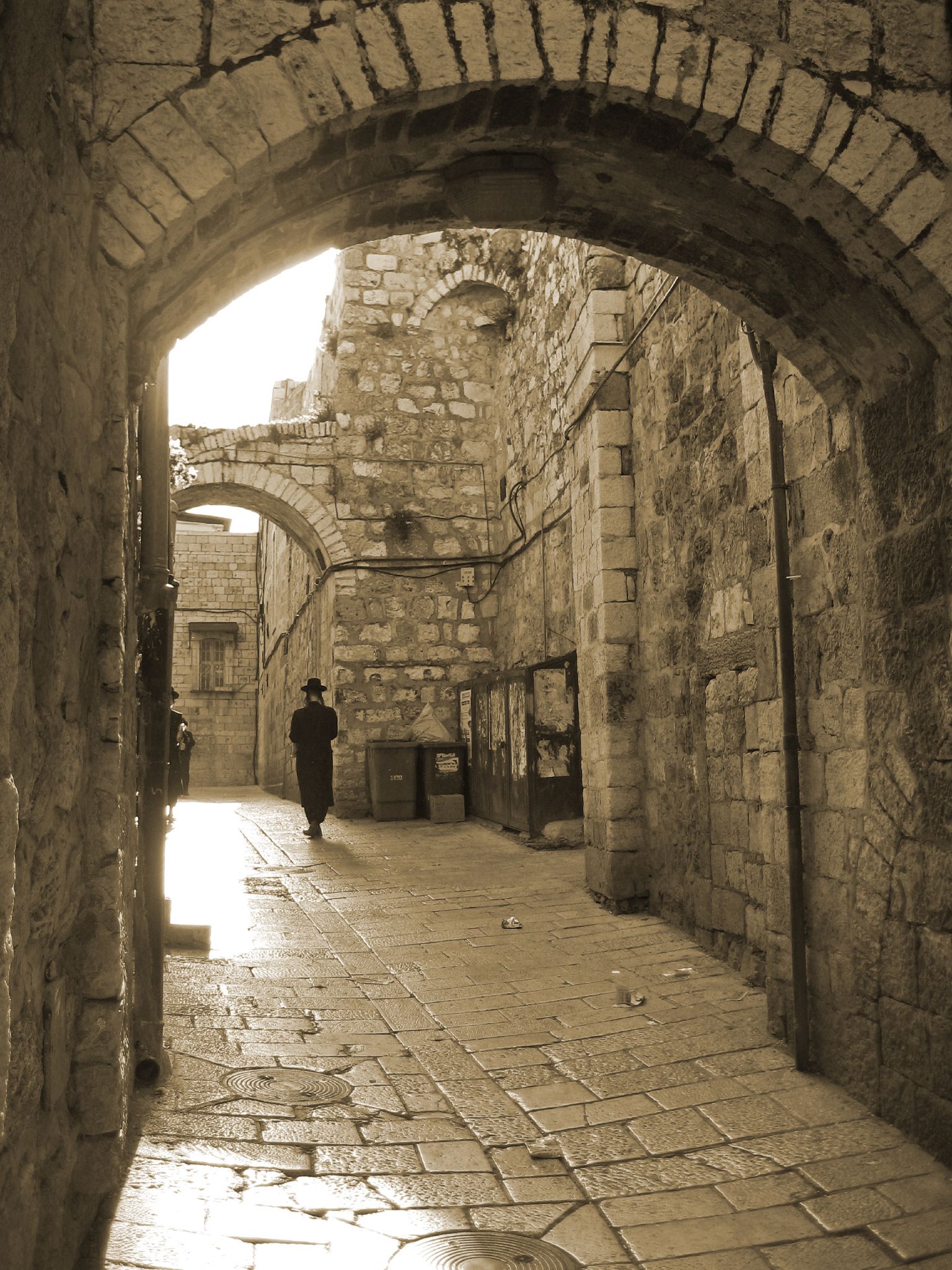
Jesus’ warning about the “narrow way” was never meant as a spiritual census. Read within Second Temple Judaism and Paul’s theology of life in Christ, it is a summons to covenant faithfulness, not fear-driven exclusion—calling communities to Spirit-shaped allegiance rather than anxious boundary policing.
-

Christian faith exalts Jesus as Lord, yet Scripture teaches us to honor him within the Father–Son–Spirit pattern. Christ reveals the Father (John 14:9), brings us to the Father (Heb 2:10), and gives the Spirit who makes us cry “Abba” (Rom 8:15). True Christology follows this triune story.