New Testament
-

Jesus’ blessing of the poor in spirit invites us to acknowledge our need and trust God as our deliverer. Read within its Jewish background, Matthew 5:3 connects humility with God’s gracious kingdom and calls us to care for people facing poverty, exclusion, and powerlessness.
-

Some Christians claim that all prayer must be addressed only to Jesus, and that praying to the Father is sinful. But Jesus himself taught his disciples to pray, “Our Father.” The New Testament gives us a richer pattern: to the Father, through the Son, in the Spirit.
-
Colossians 4:7–18 may look like a closing list of names, but it is far more than that. It shows how the gospel actually moves in the world: through faithful messengers, praying servants, restored workers, hospitable homes, costly endurance, and grace that holds the church together.
-
In Colossians 3:12–17, Paul moves from stripping off the old humanity to putting on the character of Christ. Compassion, kindness, forgiveness, love, peace, and thanksgiving are not optional extras. They are the shared life of God’s new people.
-

Many Christians read Revelation 7 as though it divides the redeemed into separate prophetic groups. But what if John is doing something deeper? What if the 144,000 and the great multitude are not rivals in God’s plan, but two angles on the one people of God gathered by the Lamb?
-
In Colossians 3:5–11, Paul moves from theology to practice. Because believers have died and been raised with Christ, they must put to death the habits of the old humanity and live as the new creation in Him.
-

Resurrection and new creation belong together. The Bible does not give a technical map of how God will renew the world, but it gives us a pattern: the resurrection of Jesus. His risen body shows that God’s future is not the disposal of creation, but its transformation, healing, and final renewal.
-

Paul says believers have died with Christ to the world’s systems. That means the church must not go back to living by fear, control, human rules, and outward religious performance. Colossians 2:20–23 reminds us that Christ did not free His people only to place them under another system that cannot change the heart.
-
Some churches look strong because they have many rules. They regulate prayer, giving, celebrations, and even dissent. But Colossians 2:20–23 exposes a sobering truth: man-made religion may look wise, yet it cannot change the heart. Real holiness does not grow from loyalty tests. It grows from Christ.
-
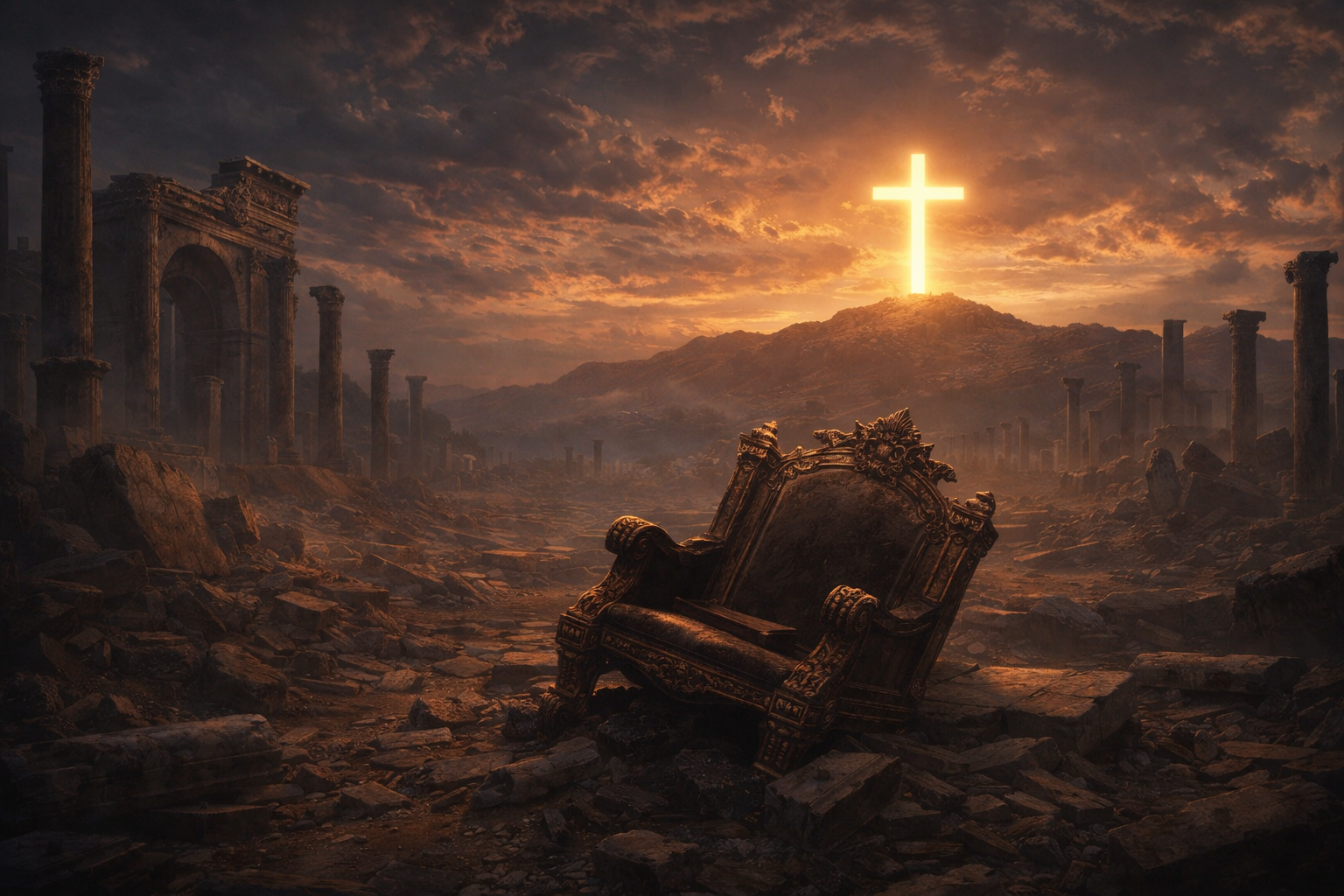
The church must never confuse moral seriousness with sacred violence. Jesus did not authorize his followers to wage holy war. He called them to follow the Lamb, not bless the sword.