eschatology
-
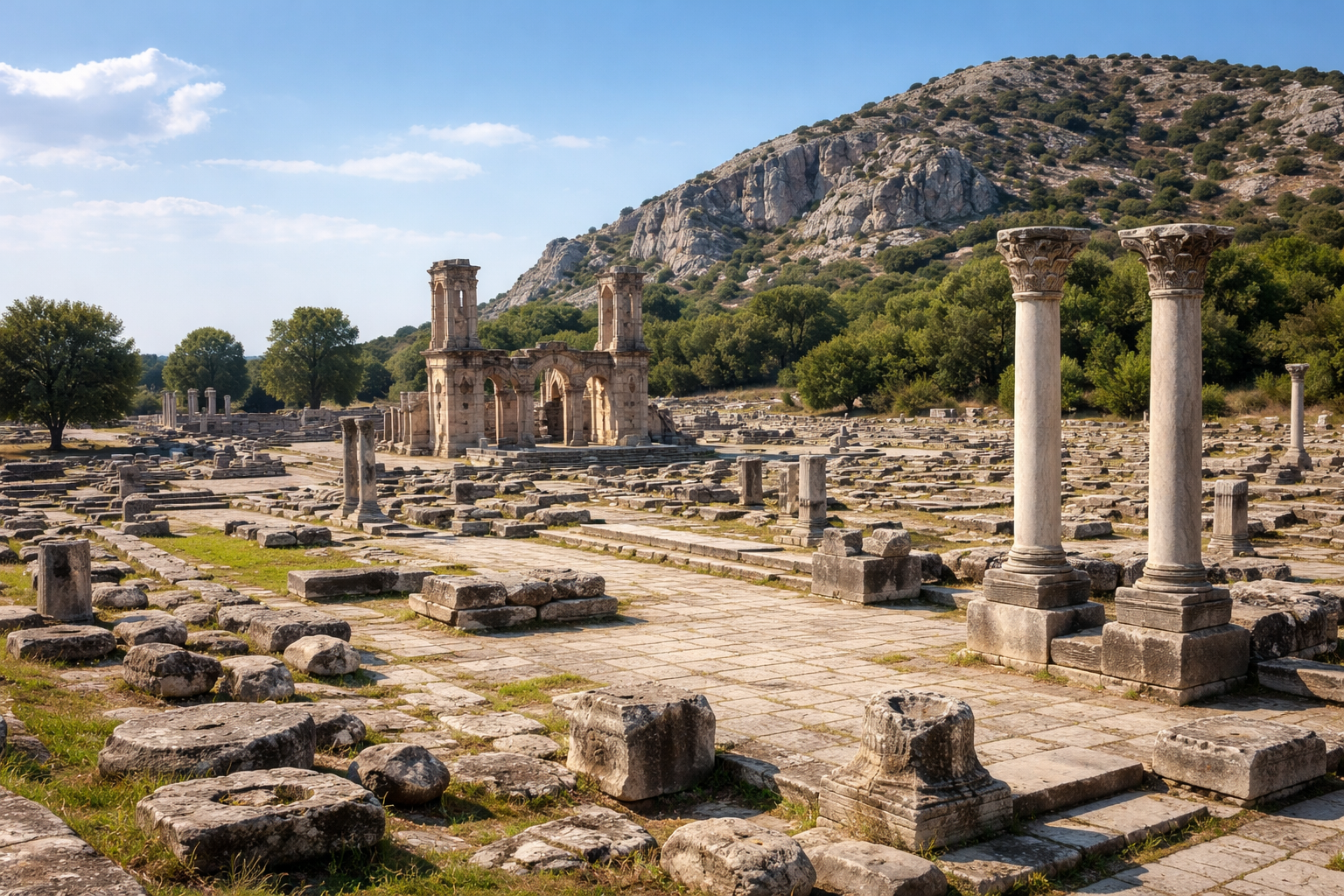
Philippians 3:12–21 confronts both spiritual perfectionism and cultural complacency. Paul insists he has not yet been “perfected,” yet he presses forward with relentless focus toward the resurrection goal. Christian maturity, paradoxically, is knowing we have not yet arrived. In a Roman colony obsessed with civic status, Paul dares to relocate allegiance: “Our citizenship is in…
-
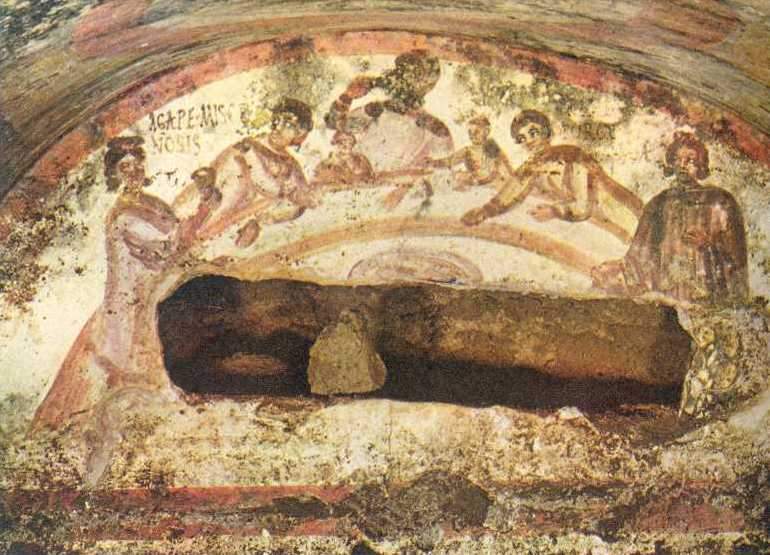
Eschatology may divide modern Christians, but Paul’s teaching in Romans reminds us that the Lord’s table is shaped not by timelines of the end but by the Messiah’s welcome. Rapturists and non-rapturists alike belong because God has received them. Unity rooted in the gospel—not uniformity—remains the clearest sign of God’s new creation.
-
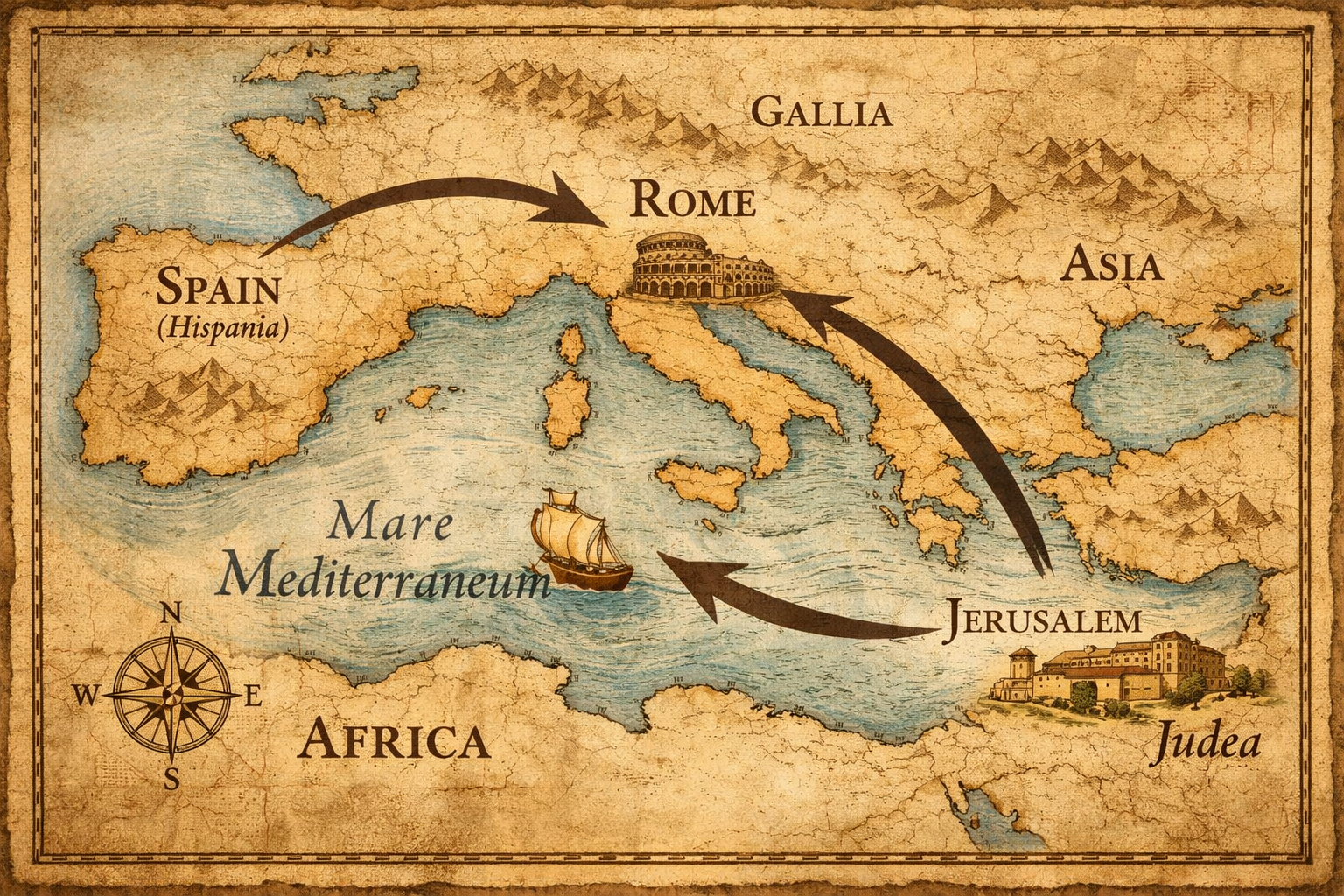
Paul’s travel plans in Romans 15 aren’t just logistics—they’re theology in motion. A gospel disrupting comfort, forging unity, and pushing the church toward new horizons. What happens when God interrupts our plans to advance His? Romans 15:22–33 shows us.
-

Paul’s ethic in Romans 13:11–14 is not about earning God’s approval. It is about living in the light of a future God has already secured through the Messiah. By rooting obedience in God’s faithfulness rather than human merit, Paul dismantles legalism and summons believers to a life that fits the dawning new age.
-
Romans 8:5–11 invites us to live from the future. Paul’s contrast between “flesh” and “Spirit” is not about feelings or dualism, but about which age shapes our lives. Christian ethics is not rule-keeping to earn identity; it is Spirit-led life flowing from resurrection identity. This is holiness between the times.