Church and culture
-

In troubled times, fear can sound spiritual. It can call itself discernment, vigilance, or prophecy. But the New Testament does not call the church to panic. It calls us to sober thinking, steady hope, and deep confidence in the risen Lord.
-
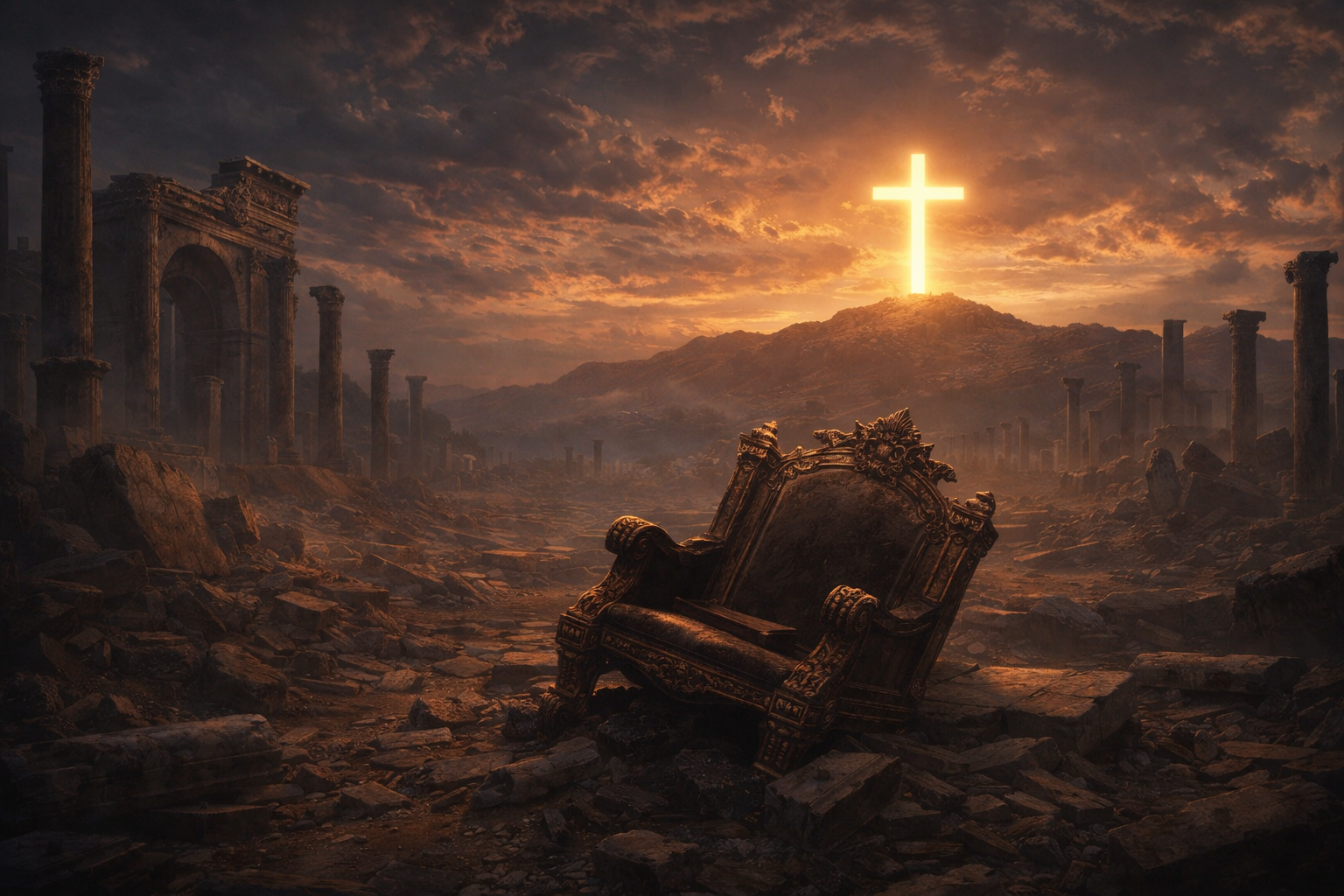
The church must never confuse moral seriousness with sacred violence. Jesus did not authorize his followers to wage holy war. He called them to follow the Lamb, not bless the sword.
-

Empire did not disappear when Babylon fell or Rome faded. It changed form. Christians still face the temptation to trust power, baptize nationalism, and confuse worldly strength with God’s kingdom. But the church belongs to another Lord.
-
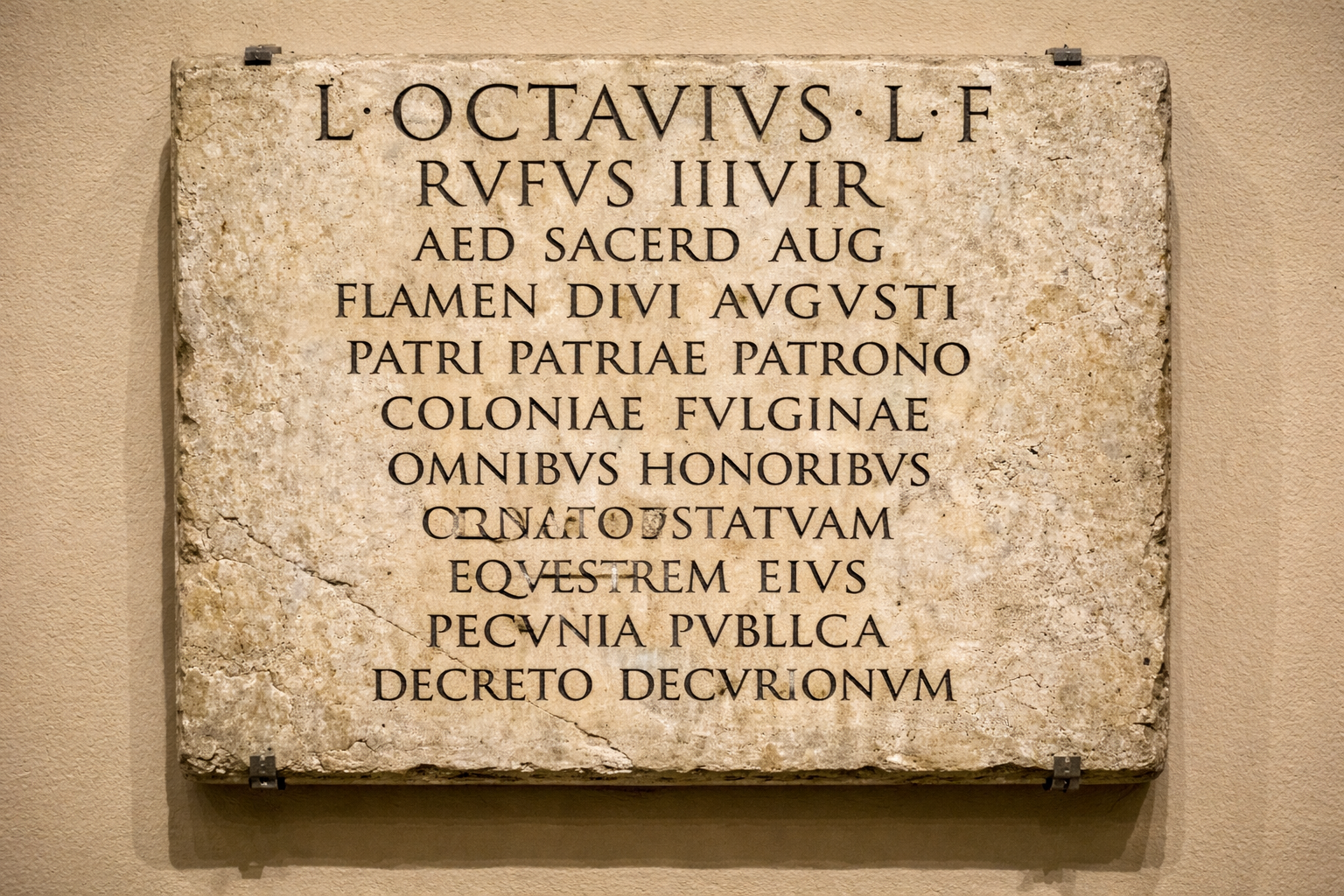
Philippians 2 challenges the church’s instinct for greatness. In a Roman colony shaped by status and public honor, Paul commands believers to “honor such people”—not the powerful or wealthy, but those who serve, risk, and quietly embody the self-giving obedience of Christ. The cross reshapes the church’s honor map.
-
President Marcos Jr.’s call for reconciliation—particularly with the Duterte camp—comes across as politically strategic rather than morally grounded. In a nation still healing from the wounds of Martial Law and the drug war, true reconciliation cannot happen without truth. It requires repentance, justice, and memory—not elite handshakes or legal maneuvering. This post explores how fear…