Servant leadership
-
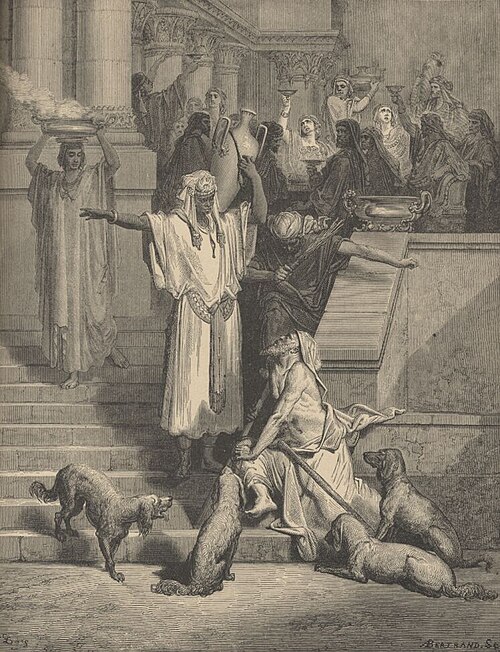
The Philippine Constitution requires modest living of public officials, yet displays of extravagant wealth raise troubling questions about public trust. Drawing on the Rich Man and Lazarus in Luke 16:19–31, this essay examines wealth, privilege, moral responsibility, and the biblical understanding of leadership as service rather than personal entitlement.
-

If Jesus’ resurrection marks the beginning of God’s creation, shouldn’t the Church already that promised future? This essay explores how resurrection hope should transform Christian relationships, spiritual authority, justice, mercy, and the care. Creation. The Church is not the completed kingdom of God, but it is called to become a living witness to the world…
-

The priesthood of all believers does not abolish pastors or church leadership. It establishes their proper purpose: to equip God’s people rather than control them. From Exodus and 1 Peter to Hebrews, Ephesians, and Jesus’ teaching on servant leadership, Scripture presents the church as a priestly people under one High Priest—Jesus Christ.
-

What does Christian partnership look like when power is shaped by Christ rather than control? This episode explores Genesis, servant leadership, mutual honor, and human flourishing.
-

Christian humility is not pretending that we have no gifts or convictions. It is the grace-shaped freedom to follow the Servant King, resist religious pride, and serve others without needing recognition.