Justification
-
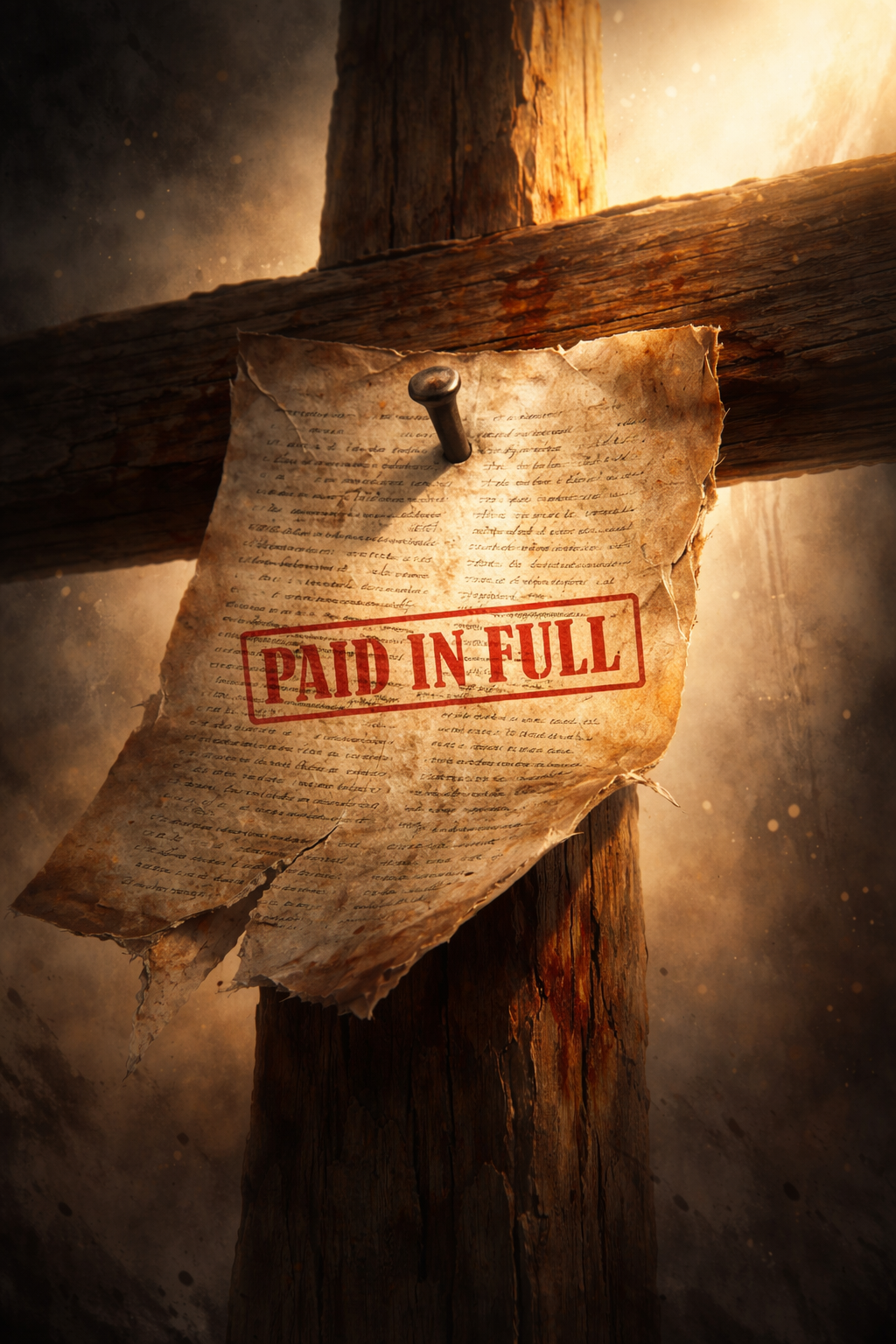
The gospel is not a payment plan. In Colossians 2:13–15, Paul declares that God has forgiven all our trespasses, canceled the record of debt, and nailed it to the cross. Christians do not live before God with an unpaid balance, because Christ is not partial help but God’s full and final provision.
-
Paul doesn’t deny suffering—he names it. But he says the love of God is deeper. Romans 8:31–39 offers covenant assurance that suffering can never undo. This is confidence, not comfort.
-
Paul doesn’t begin Romans 8 with a demand—but with a declaration: “No condemnation.” The final verdict has already been spoken for those in Christ. The Spirit now leads a new kind of obedience—born not from fear, but from freedom.
-
Many Christians have misunderstood Paul as opposing “legalism” in Judaism, when in fact his writings reveal a deeper concern: who truly belongs to God’s people now that the Messiah has come? This essay unpacks Paul’s vision of faith—not as a ticket to heaven, but as the boundary marker of a new covenant family rooted in…
-
Romans 7 reveals the deep struggle of life under the Law: a longing for good, but captivity to sin. Paul shows that human effort cannot save us—only Christ can. This essay explores how the Law exposes, sin enslaves, and Jesus rescues, leading us into the Spirit-empowered life described in Romans 8.
-
Introduction The doctrine of justification is a key element of Christian theology, intimately connected to themes of grace, redemption, and relationship with God. This multifaceted concept encompasses both present realities and future promises. Understanding these dimensions is crucial for appreciating the fullness of the Christian faith, influencing how believers live out their daily lives while…