Romans Series
-
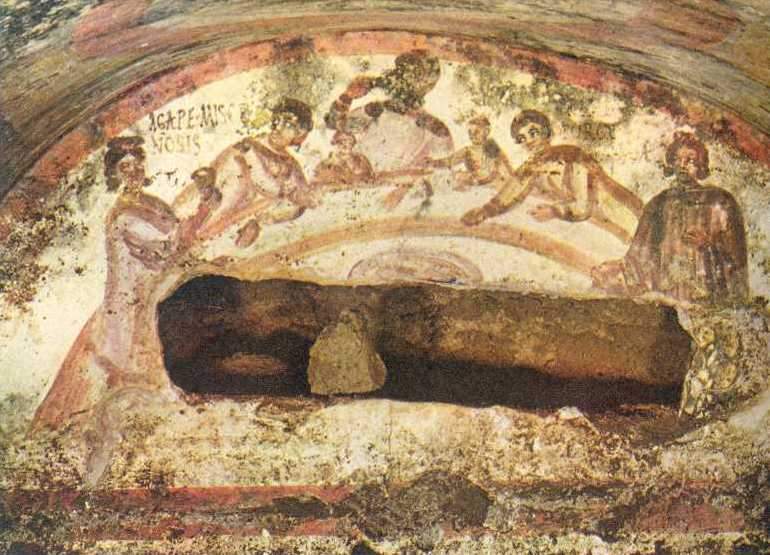
Eschatology may divide modern Christians, but Paul’s teaching in Romans reminds us that the Lord’s table is shaped not by timelines of the end but by the Messiah’s welcome. Rapturists and non-rapturists alike belong because God has received them. Unity rooted in the gospel—not uniformity—remains the clearest sign of God’s new creation.
-
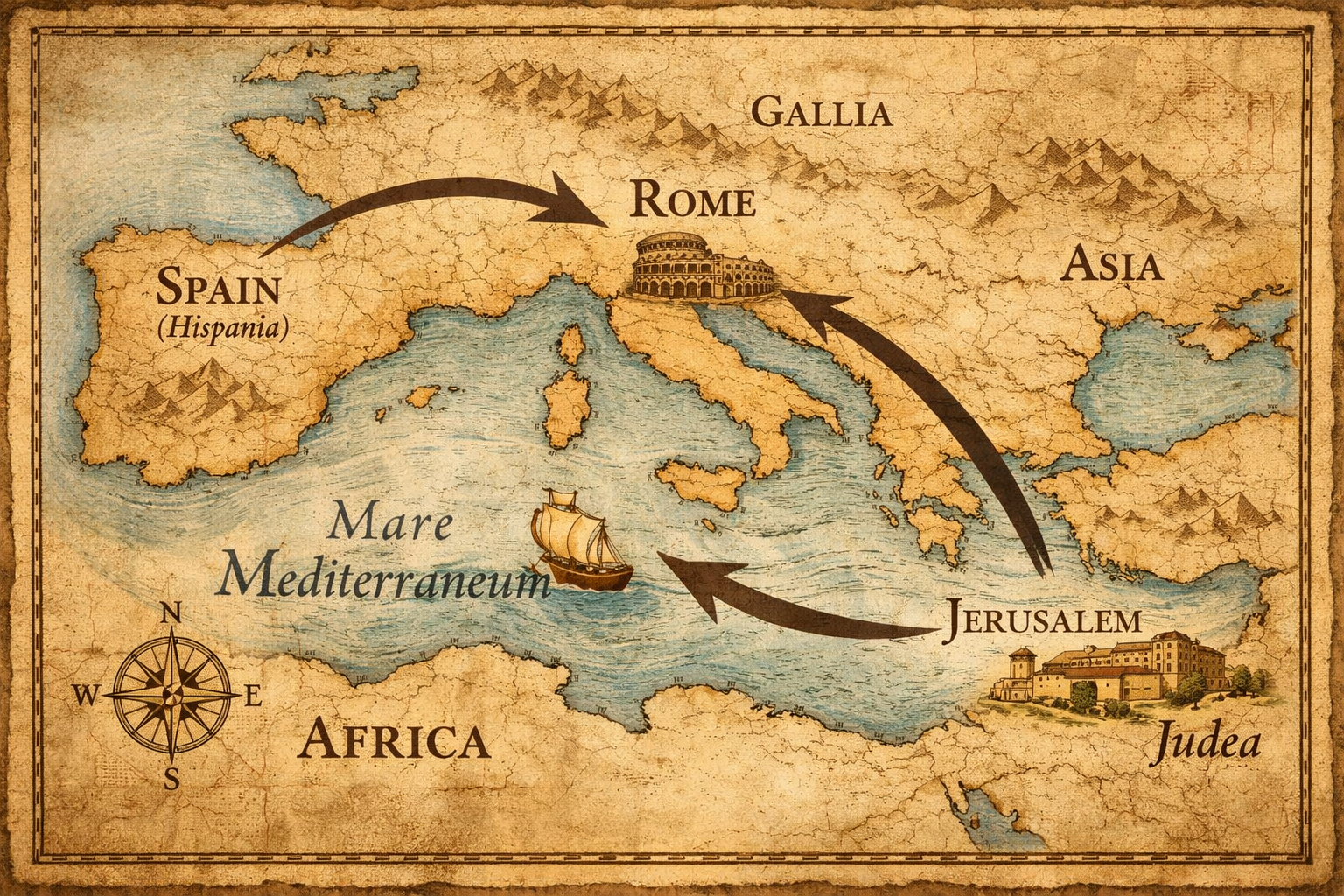
Paul’s travel plans in Romans 15 aren’t just logistics—they’re theology in motion. A gospel disrupting comfort, forging unity, and pushing the church toward new horizons. What happens when God interrupts our plans to advance His? Romans 15:22–33 shows us.
-

Romans 15:14–21 reveals Paul’s astonishing self-understanding: his mission to the Gentiles is a priestly vocation. He presents Spirit-sanctified communities as an offering to God, tracing a gospel arc from Jerusalem to Illyricum. Mission becomes worship, unity becomes infrastructure, and Scripture becomes the compass for the church’s outward calling.
-
Romans 15:7–13 shows the gospel’s true power: Christ fulfills Israel’s story, extends mercy to the nations, and forms a people who glorify God with one voice. Welcome becomes worship as Jews and Gentiles, strong and weak, stand together in the unity the Spirit creates. This is the gospel made visible in community.
-
The article clarifies that Gentile inclusion in God’s plan is not a fallback due to Israel’s failure but an integral part of God’s covenant since the beginning. It emphasizes that through the Messiah, Israel’s mission extends to all nations, illustrating a unified community of faith that fulfills original biblical promises.
-

Paul’s ethic in Romans 13:11–14 is not about earning God’s approval. It is about living in the light of a future God has already secured through the Messiah. By rooting obedience in God’s faithfulness rather than human merit, Paul dismantles legalism and summons believers to a life that fits the dawning new age.
-
Romans 10 proclaims that salvation isn’t distant or reserved for a few—it is near, offered to all who trust in the risen Christ. Paul confronts Israel’s resistance, emphasizes the power of proclamation, and calls the Church to speak the gospel boldly. At its heart, this chapter reveals a God who keeps His hands outstretched, extending…
-
Romans 9 explores the mystery of God’s sovereign mercy, revealing that His covenant purposes move forward not through human effort or lineage, but through grace and faith. Paul wrestles with Israel’s unbelief, highlights Christ as the cornerstone, and calls readers to trust in God’s faithfulness, even when His ways challenge our expectations.
-
Romans 8 declares the freedom, adoption, and unshakable love believers have through Christ. This essay explores how life in the Spirit transforms our identity, empowers our hope amid suffering, and guarantees that nothing can separate us from God’s love.