Colossians
-
Colossians 4:7–18 may look like a closing list of names, but it is far more than that. It shows how the gospel actually moves in the world: through faithful messengers, praying servants, restored workers, hospitable homes, costly endurance, and grace that holds the church together.
-

Colossians 4:2–6 shows that the Christian life is not only about right belief. It is also about steadfast prayer, wise conduct, and gracious speech. Paul calls the church to live in such a way that the gospel becomes visible before a watching world.
-

Colossians 3:18–4:1 teaches that every human relationship must now answer to the Lord Christ. Paul refuses to let Christian faith remain lofty in worship but ordinary in the home, the workplace, and daily life. Marriage, parenting, labor, and authority must all come under the rule of Jesus.
-

Paul says believers have died with Christ to the world’s systems. That means the church must not go back to living by fear, control, human rules, and outward religious performance. Colossians 2:20–23 reminds us that Christ did not free His people only to place them under another system that cannot change the heart.
-
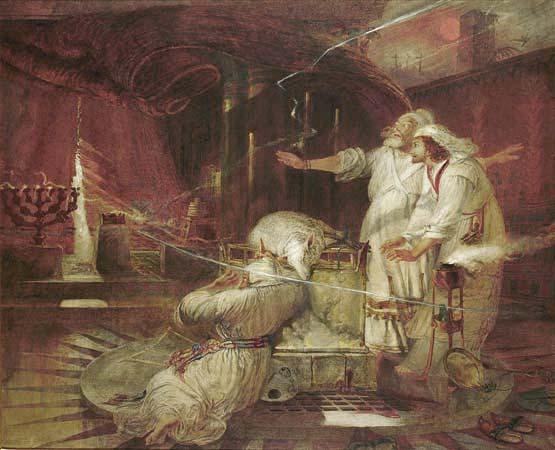
Some churches look strong because they have many rules. They regulate prayer, giving, celebrations, and even dissent. But Colossians 2:20–23 exposes a sobering truth: man-made religion may look wise, yet it cannot change the heart. Real holiness does not grow from loyalty tests. It grows from Christ.
-

The gospel is not a payment plan. In Colossians 2:13–15, Paul declares that God has forgiven all our trespasses, canceled the record of debt, and nailed it to the cross. Christians do not live before God with an unpaid balance, because Christ is not partial help but God’s full and final provision.
-

In Colossians 2:1–5, Paul warns the church against teachings that sound deep, impressive, and spiritual but slowly push Christ aside. Real strength does not come from secret knowledge or religious hype, but from being rooted in Christ, joined together in love, and made steady in faith.
-

In a world shaken by war and fear, Colossians 1:15–20 calls Christians back to the crucified and risen Christ, in whom all things hold together. This essay explores how Christ’s cosmic lordship and cross-shaped peace ground the church’s calling to truthful, costly peacemaking.
-
Paul’s prayer in Colossians 1:9–14 treats gratitude not as a polite add-on but as a mark of spiritual maturity. When thanksgiving becomes a way of walking—shaping endurance, patience, joy, and community—it resists fear, dismantles pride, and roots daily life in God’s rescue and grace.
-
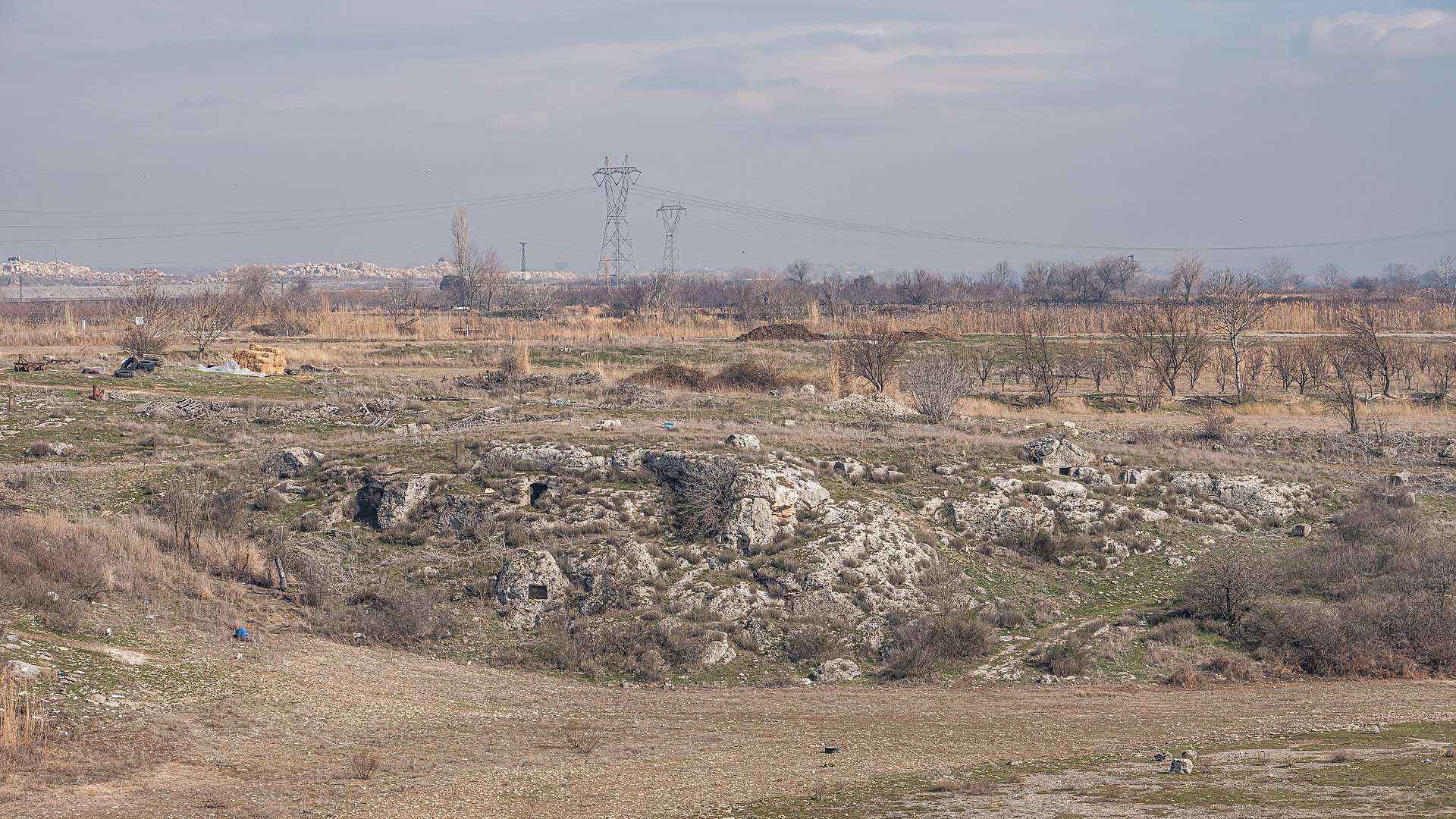
In Colossians, Paul isn’t battling atheism but a seductive “Jesus-plus” spirituality—rules, calendars, ascetic discipline, and even angel-focused mysticism—offered as the pathway to “fullness.” Paul’s urgent claim is that believers don’t graduate beyond Christ: the fullness of God dwells in him, and in him the church is already complete. The letter calls Christians to resist fear-driven…