Church and Society
-
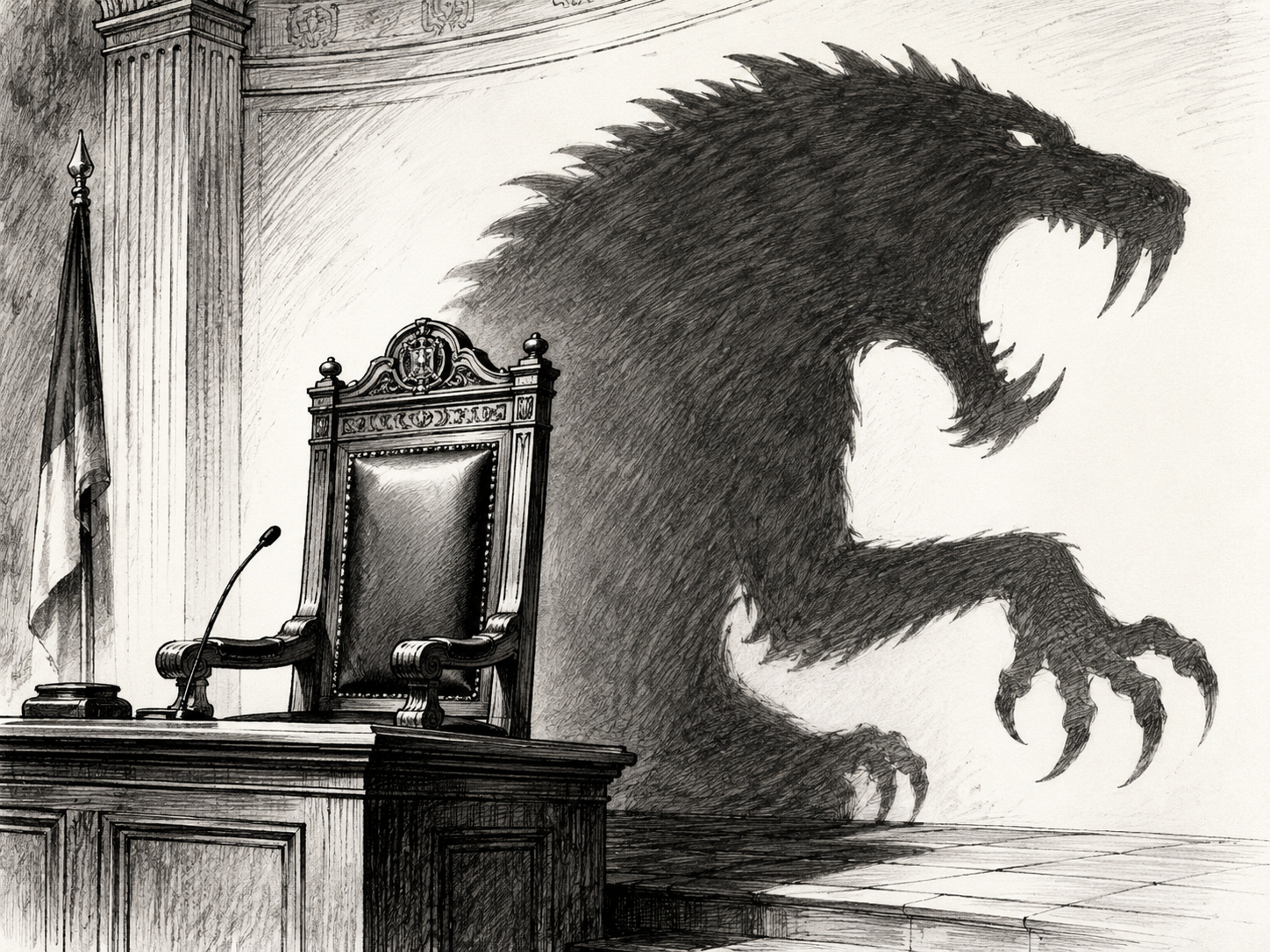
Romans 13 calls rulers God’s servants for the good. Revelation 13 shows power becoming beastly when it devours truth, justice, and human dignity. Read together, these chapters offer a mature Christian theology of political authority.
-
Romans 12:9–21 is not a moral checklist but a portrait of a community shaped by God’s covenant mercy. Paul describes how love, humility, generosity, endurance, and non-retaliation emerge when the church learns to live inside mercy without turning it into pride. Christian ethics here is not pressure-driven but mercy-formed.
-
Is the law being bent to serve the powerful—or straightened to protect the vulnerable and restore what was stolen? This blogpost draws on Jesus’ Sabbath healings and biblical justice to explore the deeper purpose of law: to protect truth-tellers and return what belongs to the people. Justice must not be negotiated. It must roll.
-
Babylon never really left. It keeps reappearing—disguised in every generation. This post explores how the biblical motif of Babylon still speaks to our political moment today, calling the Church not to escape, but to resist with faithfulness, truth, and hope.