Christian ethics
-

Suicide, euthanasia, heroic sacrifice, and allowing natural death may all involve a human life ending, but they are not morally identical. Scripture calls us to look beyond the outcome and ask a deeper question: Was death intended, accepted for another’s sake, or simply allowed when medicine could no longer prevent it?
-

Joshua’s conquest narratives are difficult and often misused in modern political conflict. Christians must read them within Israel’s covenantal story and through the cross of Christ. The promised land is never a blank cheque for conquest, displacement, or religious nationalism. Jesus calls His church to pursue truth, justice, mercy, and the healing of the nations.
-

Romans 13 calls rulers God’s servants for the good. Revelation 13 shows power becoming beastly when it devours truth, justice, and human dignity. Read together, these chapters offer a mature Christian theology of political authority.
-
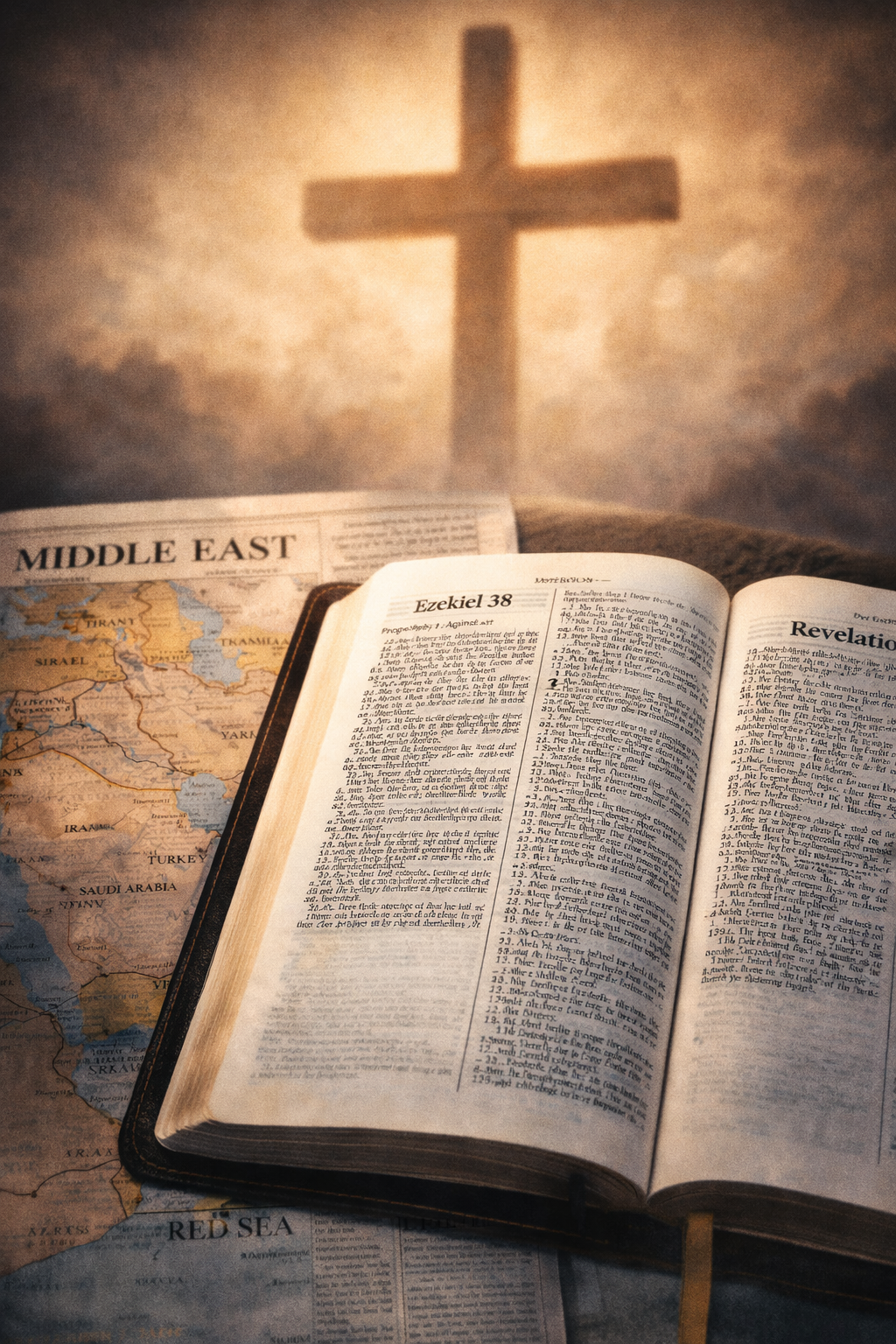
PreTrib Dispensationalism often speaks with striking confidence about the end of the age. But how certain is that confidence, really? Christians must ask whether prophecy has become so rigid that it no longer judges violence by the character of Christ.
-
Romans 15:7–13 shows the gospel’s true power: Christ fulfills Israel’s story, extends mercy to the nations, and forms a people who glorify God with one voice. Welcome becomes worship as Jews and Gentiles, strong and weak, stand together in the unity the Spirit creates. This is the gospel made visible in community.
-

Paul’s ethic in Romans 13:11–14 is not about earning God’s approval. It is about living in the light of a future God has already secured through the Messiah. By rooting obedience in God’s faithfulness rather than human merit, Paul dismantles legalism and summons believers to a life that fits the dawning new age.
-
Romans 12:9–21 is not a moral checklist but a portrait of a community shaped by God’s covenant mercy. Paul describes how love, humility, generosity, endurance, and non-retaliation emerge when the church learns to live inside mercy without turning it into pride. Christian ethics here is not pressure-driven but mercy-formed.
-
Romans 10 warns that zeal, Scripture, and moral passion can still miss the story of God when righteousness becomes something we defend rather than something God reveals. Paul’s diagnosis of Israel becomes a mirror for modern Christian legalism and identity politics. The question is not our sincerity but our willingness to submit to God’s righteousness.
-
Paul’s letters show a wise balance when it comes to special days: you are free to celebrate—but not to fall into fear, pressure, or performance. Whether it’s New Year or any sacred calendar, what matters is whether it honors Christ or quietly replaces Him.
-
The church was never meant to be a religious service provider. But in today’s culture, that’s what it’s become — a vendor of spiritual goods for individual consumers. This post explores how we got here, why it distorts the gospel, and what it means to recover the church as a Spirit-shaped covenant community.