Many Christians understand the Church as a community that prepares people for the life to come. While there is truth in this understanding, it can easily encourage an escapist vision of Christian hope, as though the world were a sinking ship from which souls must be rescued. Yet the biblical story moves toward the renewal of creation rather than its abandonment. Through the death and resurrection of Jesus Christ and the gift of the Holy Spirit, God’s promised future has already broken decisively into the present. Theologians call this inaugurated eschatology: God’s kingdom is already present, though its fullness remains future. Within this unfolding reality, the Church is called to become a foretaste of God’s future.
The Church as a Foretaste of God’s Future
Within this understanding, the Church is called to become what theologians describe as a proleptic community—a community whose present existence anticipates the future God has promised. Its vocation involves more than proclaiming what God will eventually accomplish. Through the Spirit, it is to embody something of that future here and now.
This gives particular significance to Paul’s appeal in Romans 12:2 that believers should resist conformity to the present age and be transformed through the renewal of their minds. The remainder of the chapter describes what such transformation looks like in practice. Where the world retaliates, Christians are called to bless their persecutors. Where society stratifies people by status and privilege, believers are called to intentionally seek fellowship with the marginalized. Rather than allowing evil to determine the character of their response, they are to overcome evil with good (Romans 12:21).
These instructions describe more than individual moral improvement. They envision a community in which the life of God’s coming age begins to take shape. In Ephesians 3:10, Paul declares that through the Church, the manifold wisdom of God is made known even to the rulers and authorities in the heavenly realms. Likewise, in Galatians 3:28, distinctions between Jew and Gentile, slave and free, male and female no longer determine one’s standing within God’s covenant family. In a world divided by ethnicity, social status, and privilege, such a reconciled community bears witness to God’s purposes for humanity.
Living the Reality of God’s Coming Kingdom
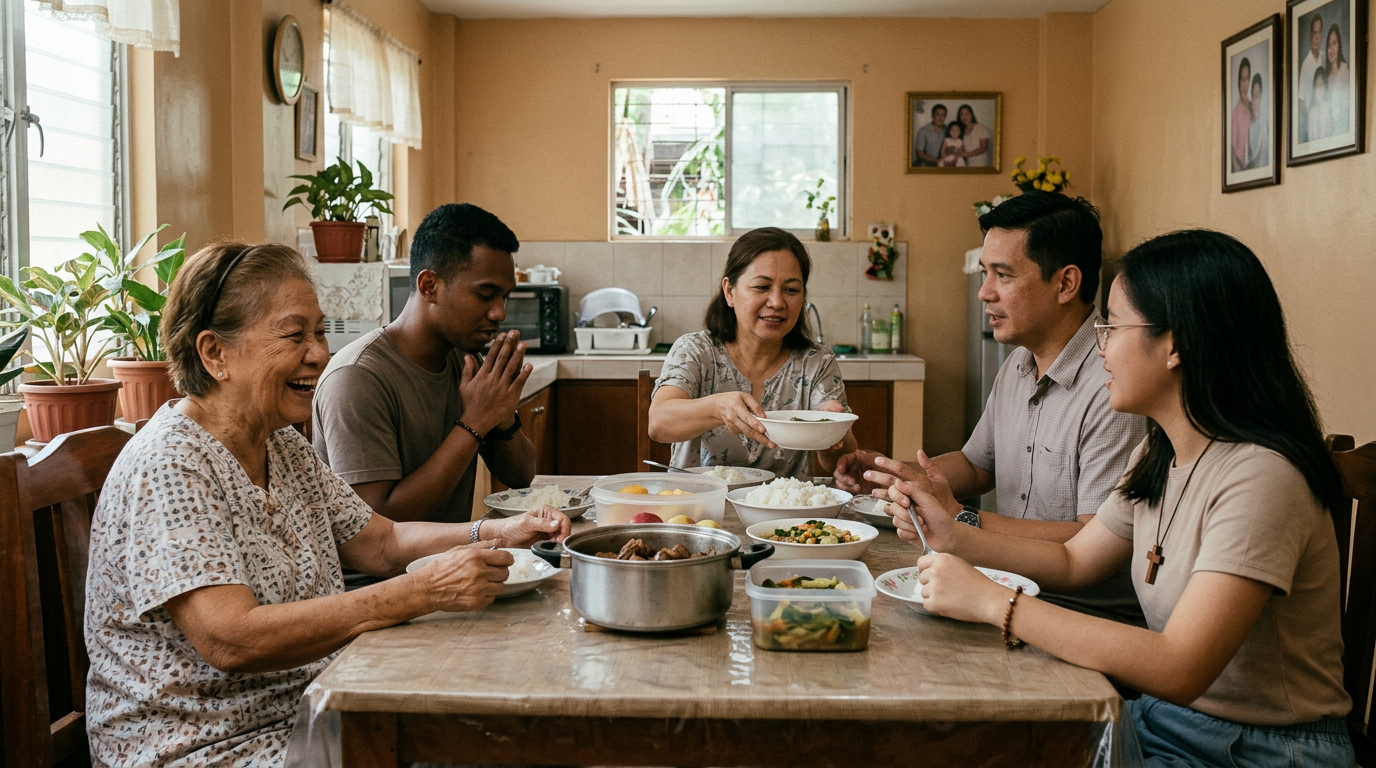
The Lord’s Table offers a particularly tangible expression of this reality. People of different economic circumstances and social backgrounds partake of the same bread and share in the same Christ (1 Corinthians 10:16–17). This is precisely why Paul rebukes the Corinthians for humiliating their poorer members during their communal meal (11:17–34). Their conduct contradicts the reality that the meal signifies. Similarly, the economic sharing described in Acts 4:32–35 illustrates how covenant belonging can reshape people’s relationship with their possessions and their responsibilities toward one another.
Yet this extraordinary vocation stands in tension with the Church’s present condition. Its members continue to struggle with prejudice, selfishness, and the desire for power. God has inaugurated His kingdom, but it has not yet reached its consummation. Nevertheless, the incompleteness of the Church’s transformation is no excuse for complacency. The Spirit enables believers to begin living according to the realities of the coming kingdom even while they await its fullness.
Perhaps the credibility of our proclamation depends partly upon whether people can recognize something of God’s promised future in our life together. If we preach reconciliation while perpetuating hostility, proclaim grace while governing through fear, or speak of Christ’s lordship while reproducing the world’s patterns of domination, we obscure the very future to which our gospel points. Paul’s invitation to shine as lights in the world takes on particular significance here (Philippians 2:14–16).
The Church cannot bring God’s kingdom to its consummation through its own efforts. That remains God’s work. Yet it has the remarkable privilege of anticipating that kingdom through communities where the hungry are fed, the marginalized are welcomed, enemies are reconciled, and authority is exercised through service.
The world should not have to wait until Christ returns to glimpse something of the future He has promised. It should already be able to see something of that future in the way His people live today.
For Further Reading
- Gorman, Michael J. Becoming the Gospel: Paul, Participation, and Mission. Eerdmans, 2015.
- Wright, N. T. Surprised by Hope: Rethinking Heaven, the Resurrection, and the Mission of the Church. HarperOne, 2008.
- Romans 12:1–21 — BibleGateway
Your Feedback Matters
Did this reflection deepen your understanding of the Church’s calling in the present age? Please take a moment to rate this essay. Your feedback is greatly appreciated.
Leave a Reply