Inaugurated Eschatology
-

The Church is called to do more than proclaim God’s promised future. Through the Spirit, it becomes a foretaste of that future, embodying the reconciliation, justice, generosity, and love of God’s coming kingdom within the present age.
-
Enemy-love is not a peripheral virtue in the Christian life. It is the very air we breathe as children of God. Jesus’ teaching in Matthew 5 and Paul’s exhortations in Romans 12 reveal how a community transformed by divine mercy embodies the ethics of God’s coming kingdom amid a world still governed by hostility and…
-
The church is already Christ’s body, yet it must still grow toward his fullness. Through Ephesians 1:23 and 4:13, we explore how Paul’s vision of the church reflects the already–not yet tension of God’s kingdom, where new creation has begun but awaits its final completion.
-

If Jesus’ resurrection marks the beginning of God’s creation, shouldn’t the Church already that promised future? This essay explores how resurrection hope should transform Christian relationships, spiritual authority, justice, mercy, and the care. Creation. The Church is not the completed kingdom of God, but it is called to become a living witness to the world…
-
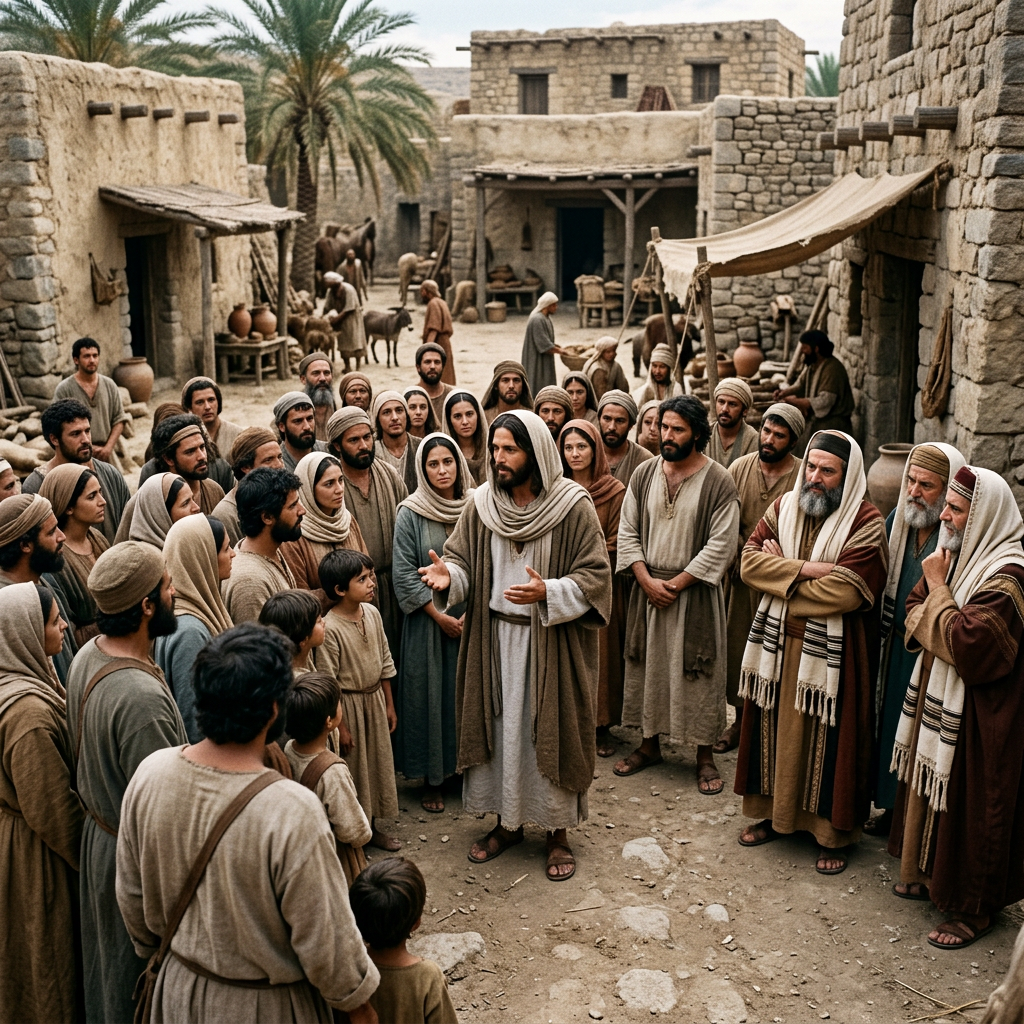
Jesus’ statement that “the kingdom of God is within you” is often treated as an invitation to search for God inside ourselves. But the context of Luke 17:21 points in another direction. The kingdom was already among them because the King Himself stood in their midst.
-

The empty tomb did more than prove that Jesus survived death. His resurrection marked the beginning of God’s new creation, bringing the future kingdom into the present and revealing what God ultimately intends for humanity and the whole created world.
-

Paul’s comparison of Sarah and Hagar in Galatians 4 can sound troubling when isolated from its context. Read alongside Galatians 3–5, however, it becomes a powerful argument about promise, Torah, Christ, the Spirit, and the surprising shape of Abraham’s worldwide family.