New Creation
-

Salvation in Christ means more than the forgiveness of personal sins. In Romans 5–8, Paul describes humanity’s liberation from the reign of Sin and Death, participation in Christ’s resurrection, and the beginning of God’s new creation.
-
The church is already Christ’s body, yet it must still grow toward his fullness. Through Ephesians 1:23 and 4:13, we explore how Paul’s vision of the church reflects the already–not yet tension of God’s kingdom, where new creation has begun but awaits its final completion.
-

If Jesus’ resurrection marks the beginning of God’s creation, shouldn’t the Church already that promised future? This essay explores how resurrection hope should transform Christian relationships, spiritual authority, justice, mercy, and the care. Creation. The Church is not the completed kingdom of God, but it is called to become a living witness to the world…
-

What happens when the hope of Christ’s return becomes an excuse to withdraw from the world? This essay explores the cost of escapist Christianity and shows how resurrection hope calls us to pursue justice, care for creation, and serve our neighbours faithfully.
-

In a world fractured by violence, suffering, and division, Christ’s resurrection offers more than the promise of life after death. It calls Christians to embody God’s coming new creation through acts of mercy, reconciliation, justice, and peacemaking. Resurrection hope transforms how we live in the present.
-
Every healing, every act of forgiveness, kindness, humility, and generosity offers a foretaste of God’s coming kingdom. Through these expressions of Christlike love, we glimpse the promised new creation, when suffering, brokenness, and death will finally give way to God’s complete restoration of all things.
-

The empty tomb did more than prove that Jesus survived death. His resurrection marked the beginning of God’s new creation, bringing the future kingdom into the present and revealing what God ultimately intends for humanity and the whole created world.
-
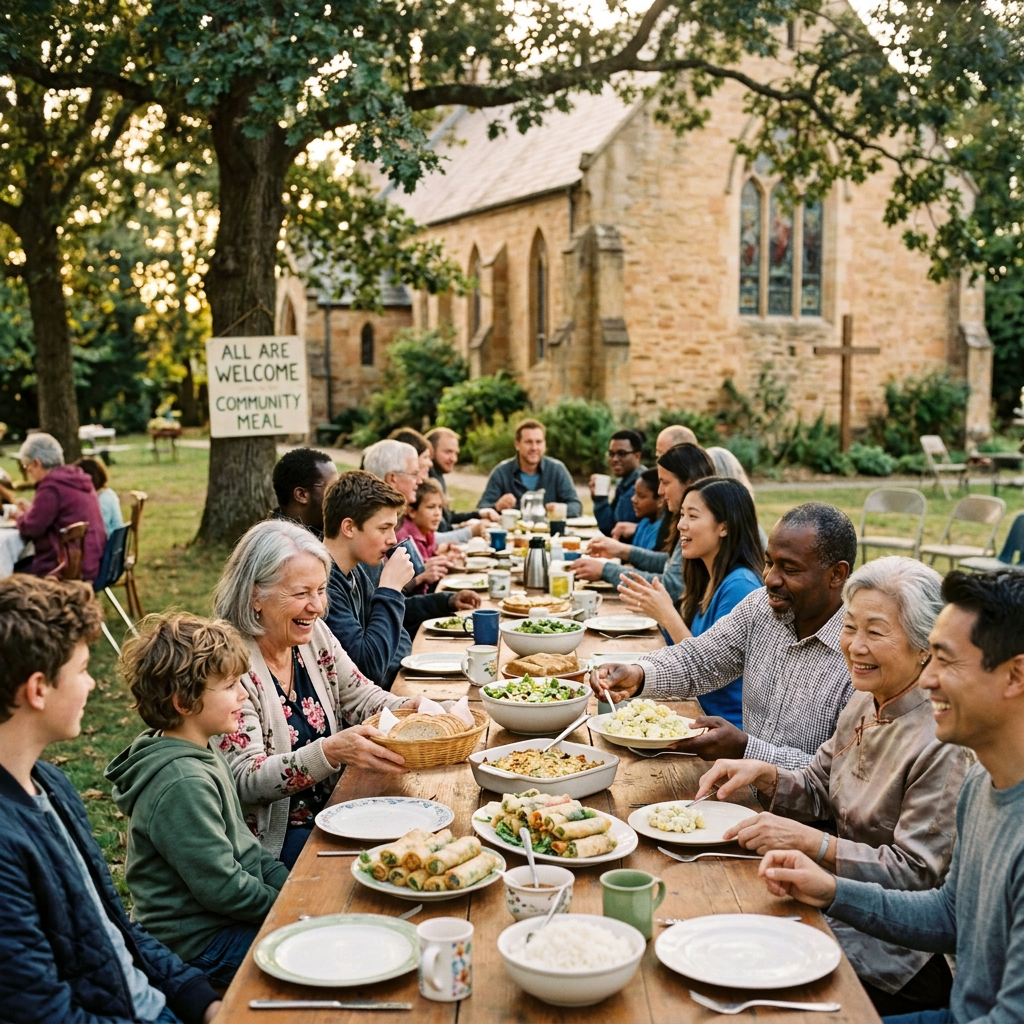
God’s mission begins within Israel’s story and reaches its fulfillment in Jesus the Messiah. Through Luke 4, Luke 24, Acts 1, and Acts 13, we discover a church sent by the Spirit to proclaim forgiveness, embody God’s kingdom, and bear witness to new creation.
-
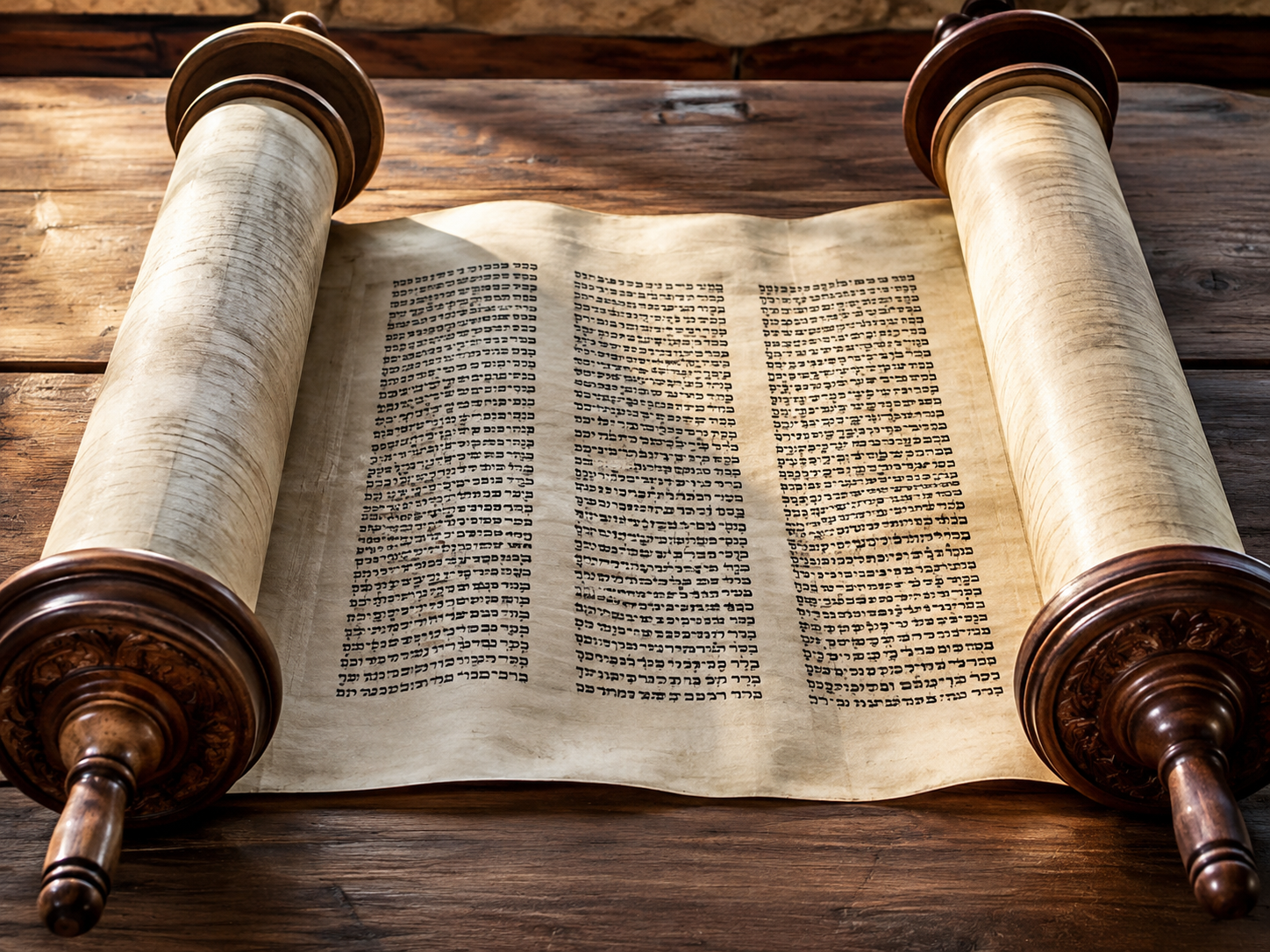
Paul does not describe the Law as God’s failed attempt to save humanity. Torah occupied an intentional place within God’s covenant story until Christ brought that story to its appointed goal.
-

Christian hope does not end with souls living in heaven. Historic Christianity confesses the resurrection of the body, Christ’s return, and life in God’s renewed creation. This article explains the intermediate state, final resurrection, and why embodied hope changes how Christians live today.