New Creation
-
Romans 8:5–11 invites us to live from the future. Paul’s contrast between “flesh” and “Spirit” is not about feelings or dualism, but about which age shapes our lives. Christian ethics is not rule-keeping to earn identity; it is Spirit-led life flowing from resurrection identity. This is holiness between the times.
-
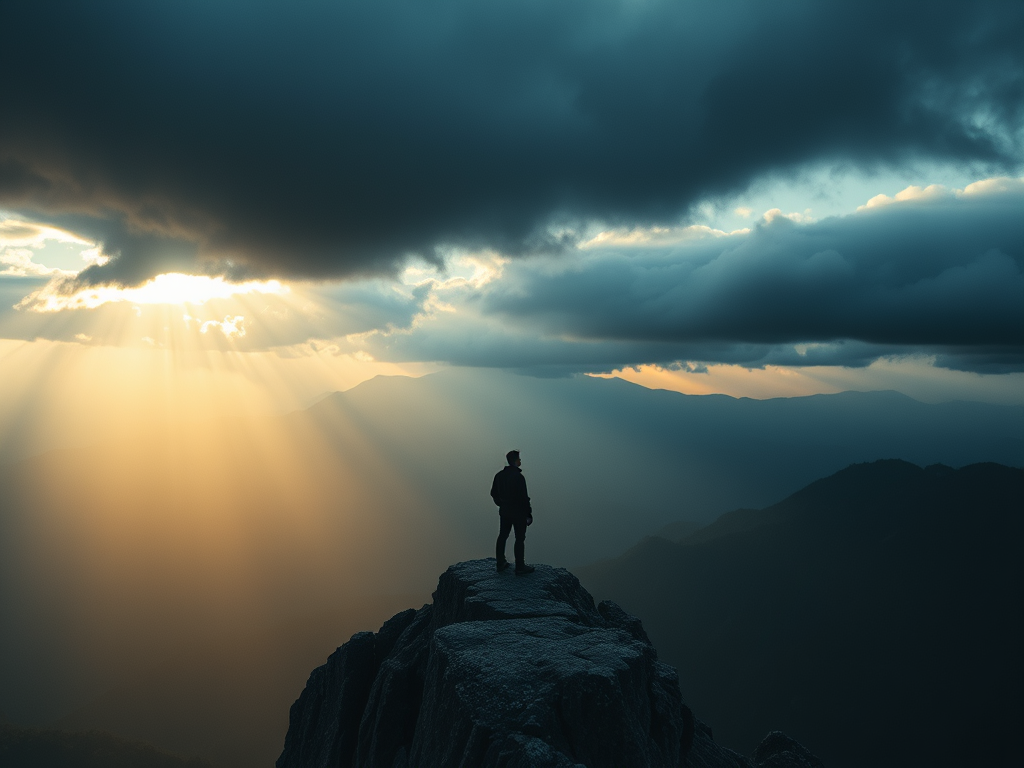
Christian hope isn’t wishful thinking. It’s moral courage to keep going, keep loving, and keep trusting in the future God has promised—especially when it’s hard.
-
Even Spirit-filled believers still groan. Romans 8 shows us why: resurrection life has begun, but the body still feels the drag of mortality. Obedience is real—but incomplete. This protects us from both despair and triumphalism. Paul invites us into a Spirit-led life that is honest about struggle and grounded in the promise of future resurrection.
-
In a world gripped by uncertainty, Revelation 1:8 reminds us that history is not spinning out of control. The One who is, who was, and who is to come—the Alpha and Omega—holds the story from beginning to end. This blog explores the covenantal, Christological, and temple-shaped assurance that grounds our endurance and worship in the…
-
The virgin birth is not a poetic flourish or theological side note—it’s the beginning of God’s new creation. This post explores why Christ’s sinless humanity doesn’t require a heavenly “seed,” and why the Holy Spirit’s sanctifying work in Mary’s womb is more than enough. Holding mystery with reverent clarity, we reject speculation and anchor our…
-
Creation, salvation, and prayer aren’t solo acts by different Persons of the Trinity. From beginning to end, the Father, Son, and Spirit work as one. The whole gospel is the work of the whole God.
-
What really happens when we die? Drawing on the biblical vision and the theological insights of N.T. Wright, this essay explores the Christian hope beyond death—not just heaven, but resurrection, transformation, reunion, and the renewal of all creation under the reign of Christ.
-
What does hope look like after disaster? From the ruins of Lisbon’s great earthquake in 1755 to the moral tremors shaking the Philippines today, this essay explores how faith, resilience, and courageous action can rebuild what’s been broken. In a world marked by suffering, the story isn’t over—light still shines through the ruins, and the…
-
Hell isn’t a cosmic torture chamber built into creation; it’s the tragic end of freedom misused. Jesus’ fiery “Gehenna” language points to a real valley outside Jerusalem—a warning poster, not a travel guide. The gospel’s shock-therapy imagery serves one aim: to steer us from ruin into the wide-open life of new creation.