Kingdom of God
-
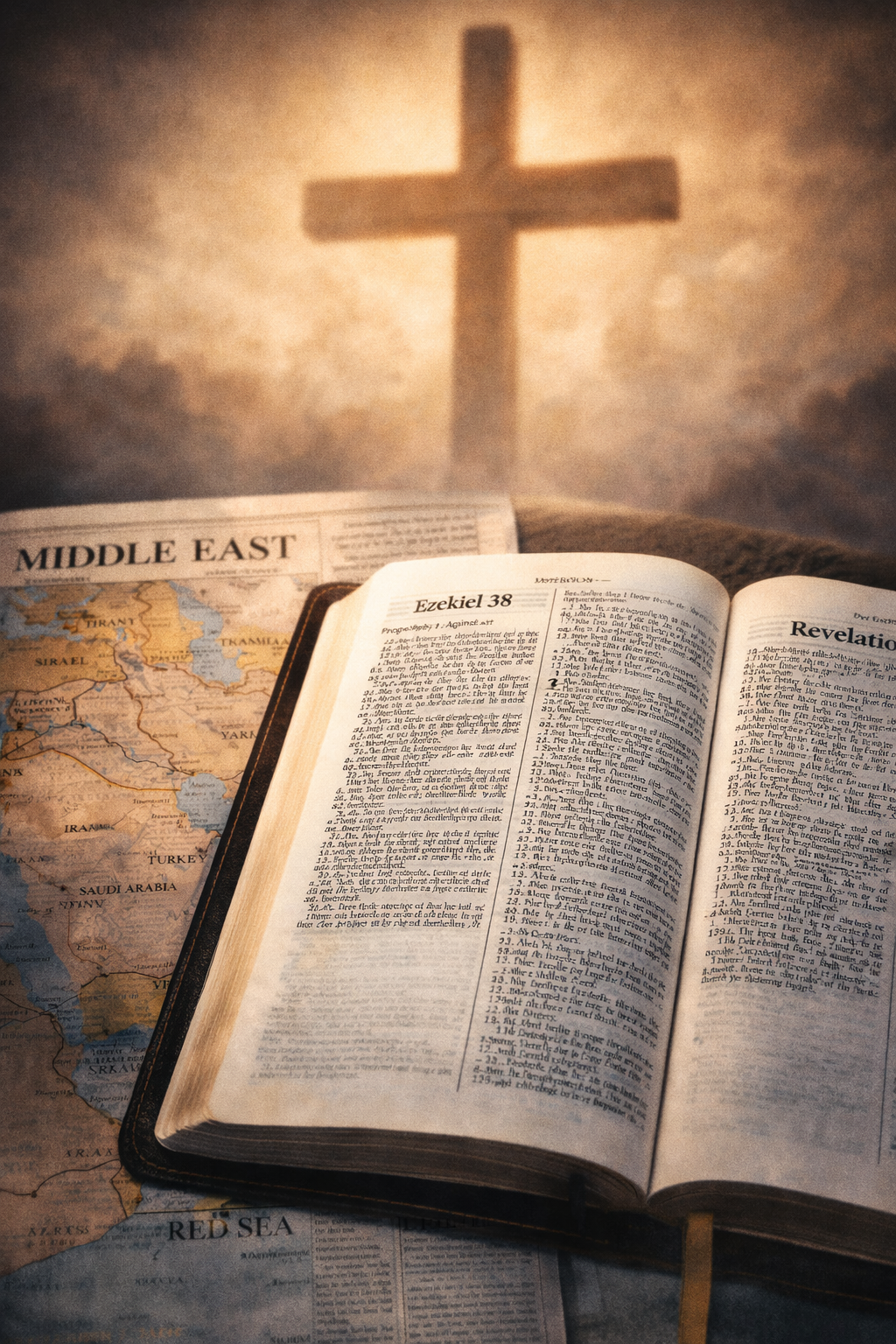
PreTrib Dispensationalism often speaks with striking confidence about the end of the age. But how certain is that confidence, really? Christians must ask whether prophecy has become so rigid that it no longer judges violence by the character of Christ.
-
The church must never confuse moral seriousness with sacred violence. Jesus did not authorize his followers to wage holy war. He called them to follow the Lamb, not bless the sword.
-

Empire did not disappear when Babylon fell or Rome faded. It changed form. Christians still face the temptation to trust power, baptize nationalism, and confuse worldly strength with God’s kingdom. But the church belongs to another Lord.
-

Where can true safety be found in a fallen world? Not in wealth, power, or control, but in Christ, whose death and resurrection hold God’s people secure even in the midst of chaos.
-
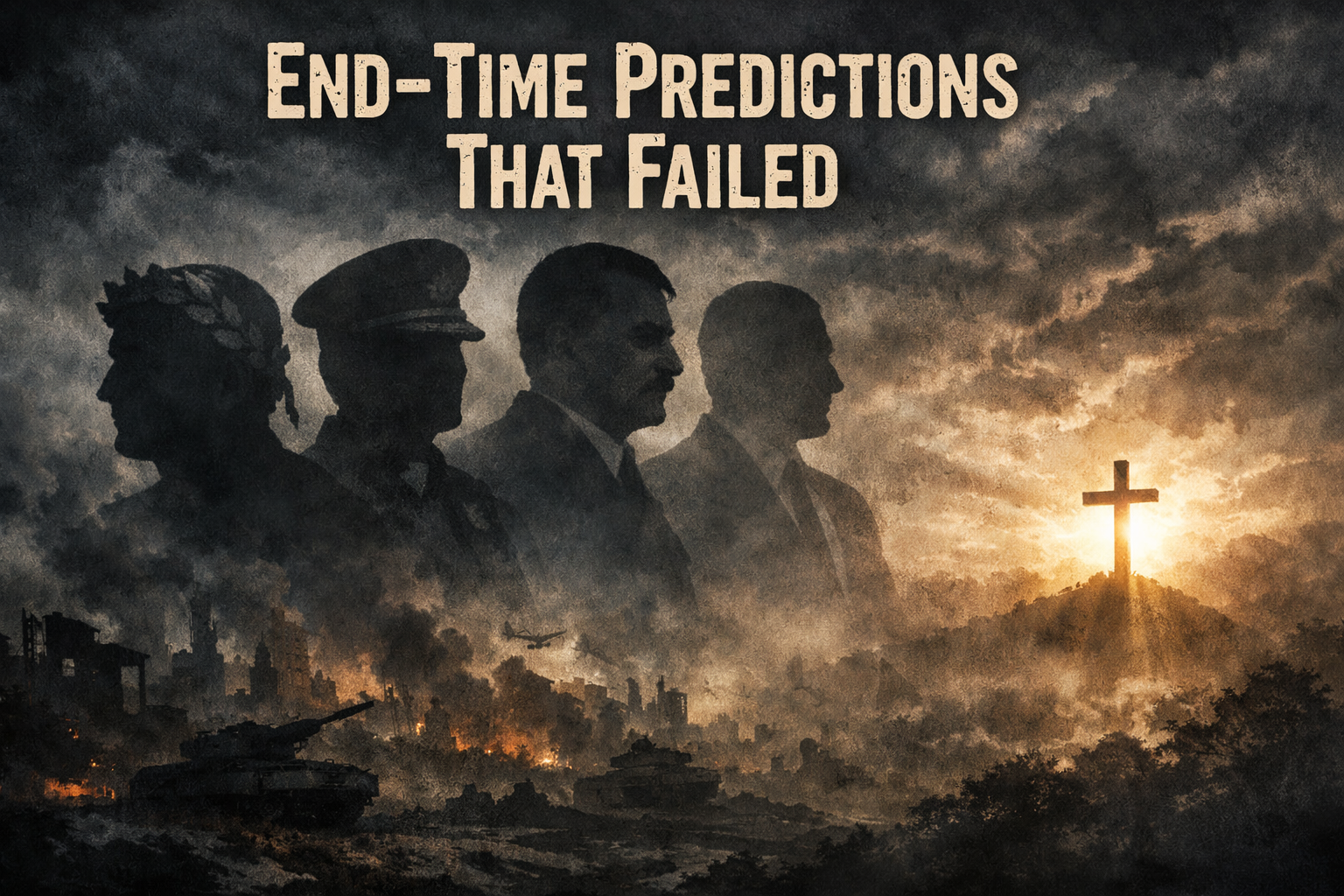
From Nero and Hitler to today’s prophecy scares, history shows that end-time predictions fail again and again. The church is called not to panic, but to sober hope in the risen Christ.
-
Paul’s prayer in Colossians 1:9–14 treats gratitude not as a polite add-on but as a mark of spiritual maturity. When thanksgiving becomes a way of walking—shaping endurance, patience, joy, and community—it resists fear, dismantles pride, and roots daily life in God’s rescue and grace.
-

A pastoral, biblical response to end-times panic. This post argues that the New Testament calls Christians to discern the times ethically—not decode headlines chronologically.
-

Jesus’ warning about the “narrow way” was never meant as a spiritual census. Read within Second Temple Judaism and Paul’s theology of life in Christ, it is a summons to covenant faithfulness, not fear-driven exclusion—calling communities to Spirit-shaped allegiance rather than anxious boundary policing.
-

Israel stumbled over her own Messiah not because she lacked zeal or covenant devotion, but because God fulfilled His promises in a way that overturned long-held expectations. The stone God laid in Zion—fulfilled in the crucified and risen Jesus—did not match the forms Israel assumed God’s faithfulness must take. Paul insists this stumble is neither…
-

Paul’s ethic in Romans 13:11–14 is not about earning God’s approval. It is about living in the light of a future God has already secured through the Messiah. By rooting obedience in God’s faithfulness rather than human merit, Paul dismantles legalism and summons believers to a life that fits the dawning new age.