humility
-

Discernment helps us test the voices, but Christian wisdom teaches us how to walk after we have heard the voice of Christ. Wisdom is not mere intelligence or religious cleverness. It is truth embodied in humble, faithful, Spirit-shaped living.
-

True theology does not end in arguments, doctrines, or service alone. It reaches its proper shape when truth becomes love, and love bears witness to Christ.
-

Christian study is not the attempt to master God. It is the grace of being mastered by God’s Word. In a time of loud religious opinions, doctrinal pride, and tribal loyalty, the church needs believers who can listen before they speak. True study begins with humility, passes through prayer, and ends in obedience to Christ.
-

A church may have doctrines, debates, confessions, sermons, and Bible studies, yet still lose the posture of prayer. When theology forgets to pray, it becomes noisy, proud, combative, and self-assured. True Christian thinking begins not in mastery, but in humble dependence before God.
-
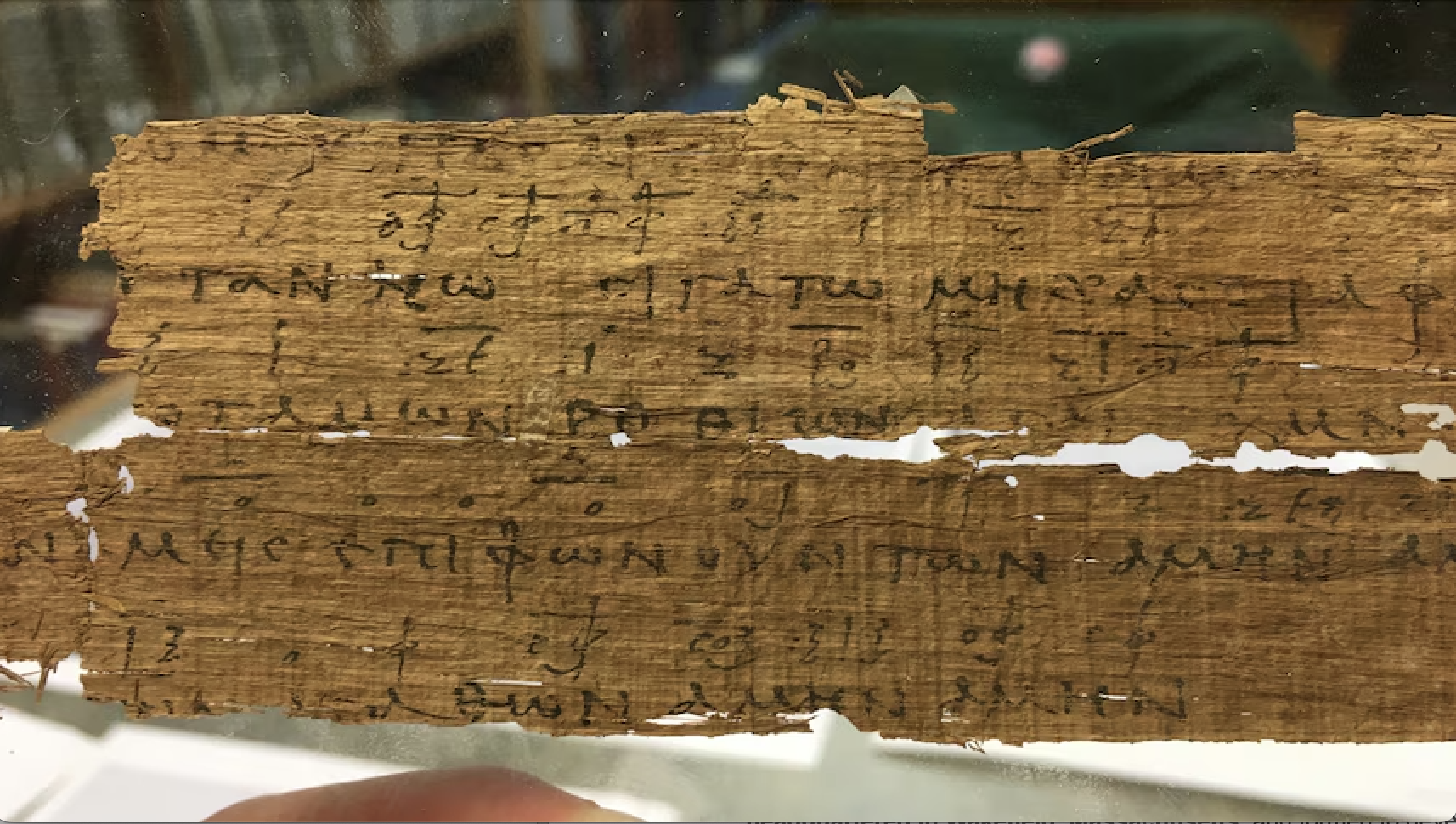
Philippians 2:5–11 is not an abstract hymn about Christ’s status, but a song meant to be lived. Placed at the heart of Paul’s exhortation, it rewrites how power, humility, and glory are understood in the life of the church. The crucified Messiah does not model self-erasure, but faithful obedience—and calls his people to become the…
-
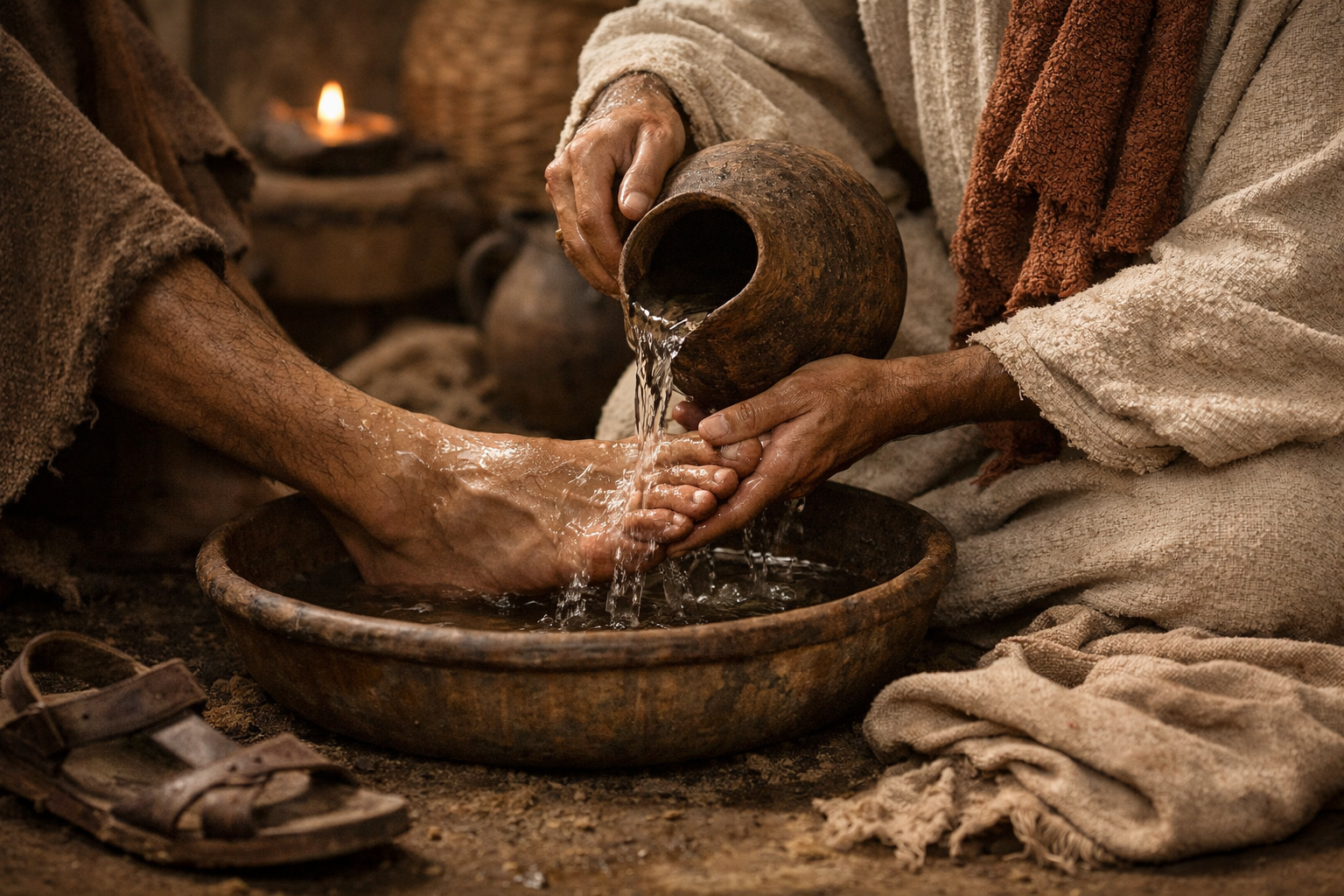
Humility in Philippians 2 is not weakness or self-erasure. It is gospel-shaped strength: the courage to refuse rivalry, to serve without grasping for status, and to trust God for vindication. Paul grounds this posture in Jesus’ self-emptying obedience—and shows how such humility forms unity and becomes public witness.
-
Romans 12:9–21 is not a moral checklist but a portrait of a community shaped by God’s covenant mercy. Paul describes how love, humility, generosity, endurance, and non-retaliation emerge when the church learns to live inside mercy without turning it into pride. Christian ethics here is not pressure-driven but mercy-formed.
-
“2with all humility and gentleness, with patience, showing tolerance for one another in love, 3being diligent to preserve the unity of the Spirit in the bond of peace.” – Ephesians 4:2-3 (NASB) Here, Paul defines his appeal for believers to “walk worthy…”. How exactly do we walk worthy of our calling? It’s interesting he mentions…
-
The church at Philippi held a unique place in the heart of the apostle Paul. It was a community marked by love and fondness, yet, like any other congregation, it was not free from challenges. Pride had started to seep in, creating factions and breeding disunity. This discord was taking a toll on the church,…