Holy Spirit
-

Paul’s comparison of Sarah and Hagar in Galatians 4 can sound troubling when isolated from its context. Read alongside Galatians 3–5, however, it becomes a powerful argument about promise, Torah, Christ, the Spirit, and the surprising shape of Abraham’s worldwide family.
-
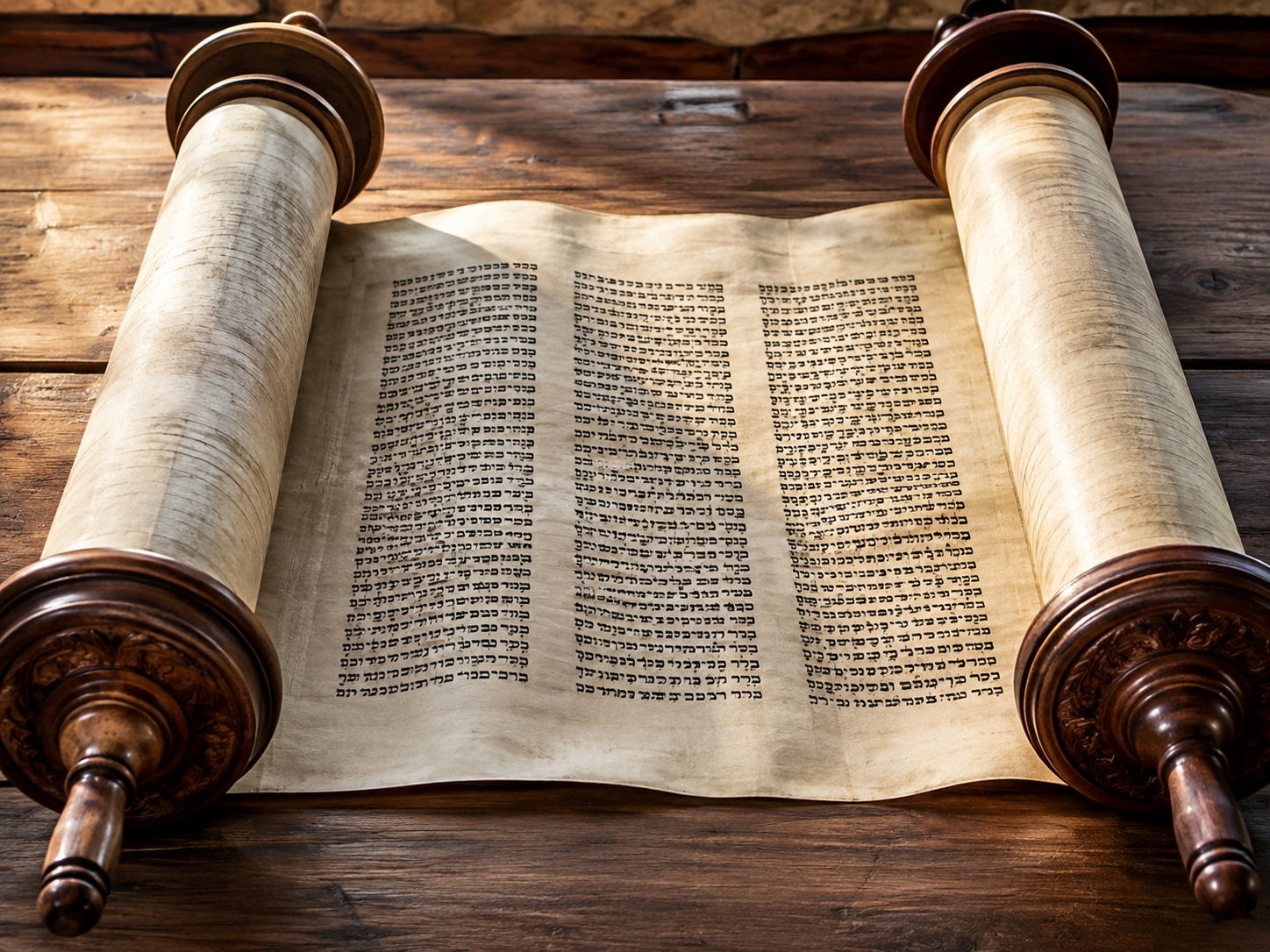
Paul does not describe the Law as God’s failed attempt to save humanity. Torah occupied an intentional place within God’s covenant story until Christ brought that story to its appointed goal.
-

The Trinity did not arise from a mathematical formula. It grew from the church’s attempt to remain faithful to Israel’s confession of one God while recognizing Jesus within the divine identity and the Spirit as God’s personal presence.
-

Discover how the Exodus shapes the New Testament gospel—from Jesus as the true Passover Lamb to His resurrection, the gift of the Spirit, and the journey toward new creation.
-
Grace does more than forgive our past. This episode explores how God’s saving grace reshapes our desires, trains us in holiness, and prepares us for His renewed creation.
-

God’s grace does more than forgive our sins. According to Titus 2:11–14, grace trains us to reject the desires of the present age, embody the life of God’s coming kingdom, and become a people eager to do good while awaiting Christ’s return.
-
We do not obey so that God will love us. This episode explores how grace comes first and Spirit-formed holiness follows as its grateful fruit.
-
The kingdom of God is not an escape from earth but God’s saving reign breaking into the world through Jesus. Trace this central biblical announcement from Israel’s story to the cross, resurrection, Spirit, church, and new creation.
-
What does the Holy Spirit do in salvation? This podcast explores new birth, union with Christ, adoption, sanctification, witness, and resurrection hope.
-
Some Christians use Matthew 6:6 to argue that the Father is hidden, inaccessible, and therefore should not be addressed in prayer. But the very passage they cite says the opposite. Jesus does not forbid prayer to the Father. He commands it.