Resurrection and New Creation
Reflections on Christ’s resurrection, the already-and-not-yet kingdom, bodily resurrection, and God’s promise to renew creation.
-

Salvation in Christ means more than the forgiveness of personal sins. In Romans 5–8, Paul describes humanity’s liberation from the reign of Sin and Death, participation in Christ’s resurrection, and the beginning of God’s new creation.
-
The church is already Christ’s body, yet it must still grow toward his fullness. Through Ephesians 1:23 and 4:13, we explore how Paul’s vision of the church reflects the already–not yet tension of God’s kingdom, where new creation has begun but awaits its final completion.
-

Does God determine everything that happens, including suffering and tragedy? Jesus’ teaching about sparrows and lilies reveals a Father who cares deeply for His creation. Yet divine care does not necessarily mean divine micromanagement. God’s sovereignty assures us that His redemptive purposes will ultimately prevail.
-

The Holy Spirit assures us of resurrection while already renewing our shared life. A brief reflection on Christian hope, present participation, and humility about the meaning of Paul’s pledge metaphor.
-

If Jesus’ resurrection marks the beginning of God’s creation, shouldn’t the Church already that promised future? This essay explores how resurrection hope should transform Christian relationships, spiritual authority, justice, mercy, and the care. Creation. The Church is not the completed kingdom of God, but it is called to become a living witness to the world…
-

What happens when the hope of Christ’s return becomes an excuse to withdraw from the world? This essay explores the cost of escapist Christianity and shows how resurrection hope calls us to pursue justice, care for creation, and serve our neighbours faithfully.
-

Gratitude does not mean denying suffering. Even when life feels half empty, Christian hope helps us recognize what remains and trust that pain will not have the final word.
-
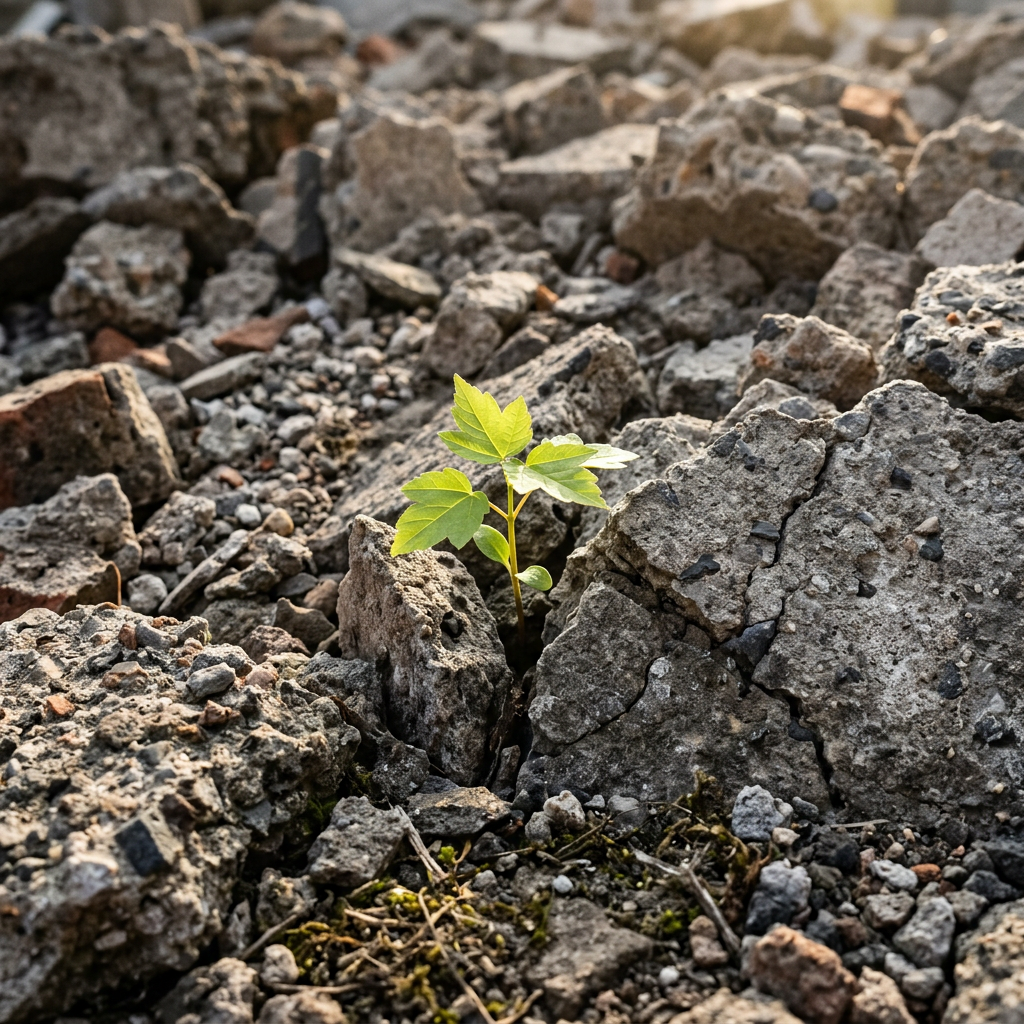
In a world fractured by violence, suffering, and division, Christ’s resurrection offers more than the promise of life after death. It calls Christians to embody God’s coming new creation through acts of mercy, reconciliation, justice, and peacemaking. Resurrection hope transforms how we live in the present.
-
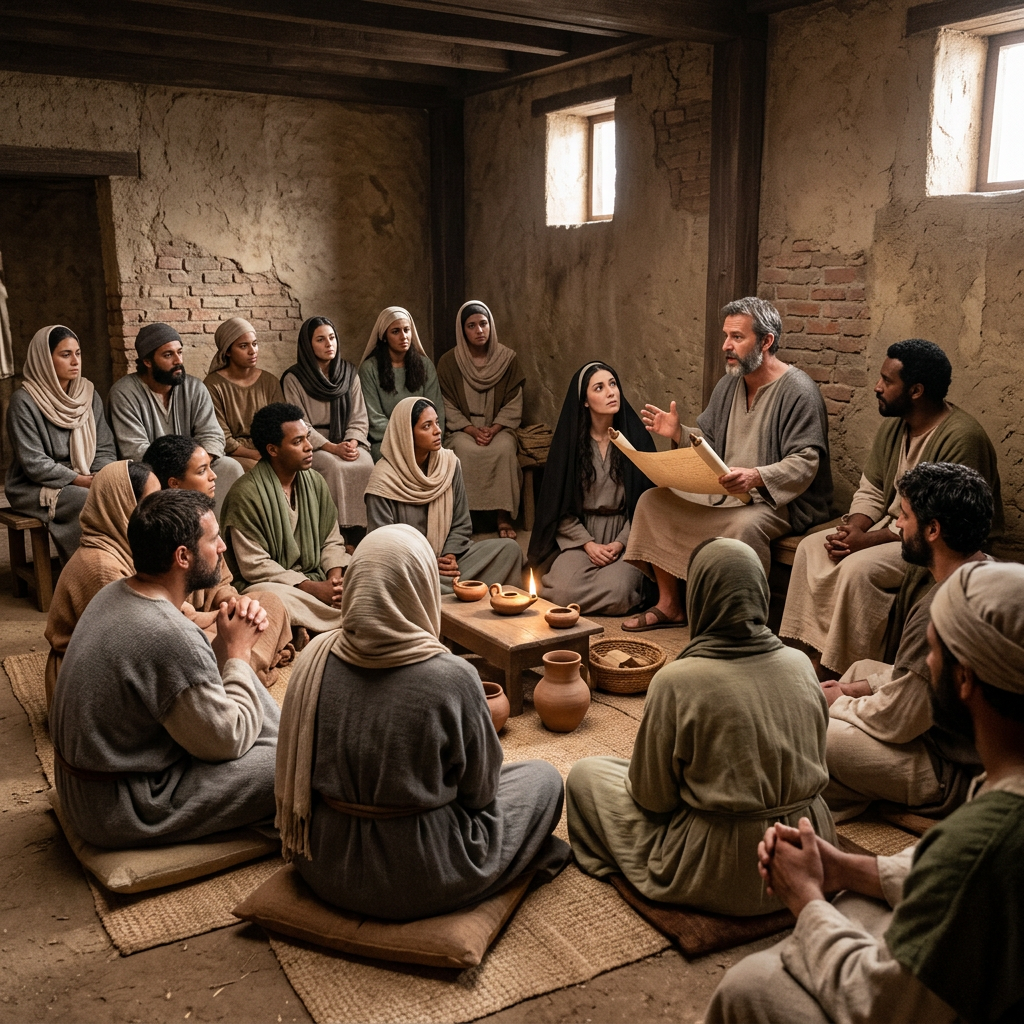
Does Scripture prohibit women from ordained ministry, or have inherited interpretations sometimes obscured the gifts of the Spirit? This essay examines Ephesians 5:21, Paul’s recognition of women in ministry, the difficult passages in 1 Timothy, and the Trinity. It argues that Christian authority must reflect Christ’s self-giving love rather than the preservation of gender-based privilege.
-
Does continued suffering mean God has rejected us? The mockery at Jesus’ cross exposes that painful assumption. Reading Matthew alongside Psalm 22 and Wisdom of Solomon, this essay explores honest lament, resurrection hope, and the church’s calling to stand beside those whose rescue has not yet come.