Gospel and culture
-

Paul says believers have died with Christ to the world’s systems. That means the church must not go back to living by fear, control, human rules, and outward religious performance. Colossians 2:20–23 reminds us that Christ did not free His people only to place them under another system that cannot change the heart.
-
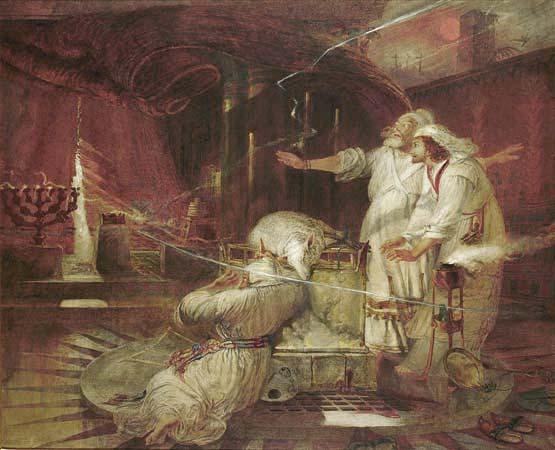
Some churches look strong because they have many rules. They regulate prayer, giving, celebrations, and even dissent. But Colossians 2:20–23 exposes a sobering truth: man-made religion may look wise, yet it cannot change the heart. Real holiness does not grow from loyalty tests. It grows from Christ.
-
Christmas isn’t about getting more stuff. It’s about receiving the gift of God’s presence—and resisting the lie that joy can be bought. Let the story of the manger shape your holidays this year.
-
Some avoid the word “Christmas” because it includes “mass” or connects to old festivals. But the incarnation shows us that God steps into real culture, time, and language—not to escape them, but to redeem them.
-
Many evangelicals have inherited a view of Paul shaped more by post-Reformation debates than by Paul’s own Jewish context. The New Perspective challenges us to recover the apostle’s original concern: not private salvation alone, but the radical redefinition of God’s people in Christ. This post explores how justification by faith reshapes belonging, table fellowship, and…
-
Many Christians unknowingly embrace a subtle lie—that salvation is escape from the physical world. But Scripture teaches something far more powerful: redemption. This post exposes the dangers of dualism—spirit vs. body, heaven vs. earth—and reclaims the holistic gospel of Jesus Christ, who came not to discard creation, but to restore it. The gospel makes all…