end-times and eschatology
-
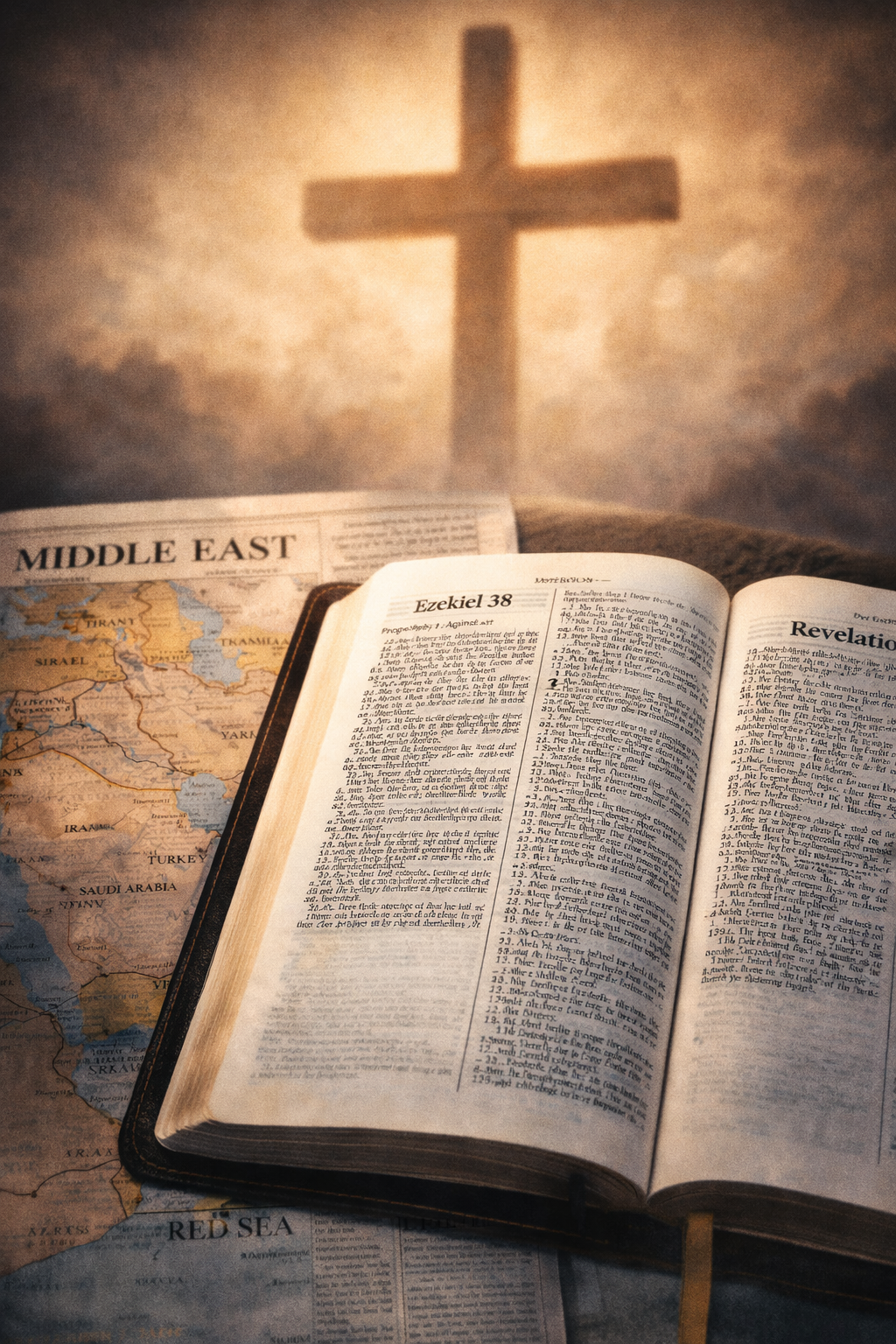
PreTrib Dispensationalism often speaks with striking confidence about the end of the age. But how certain is that confidence, really? Christians must ask whether prophecy has become so rigid that it no longer judges violence by the character of Christ.
-
Even Spirit-filled believers still groan. Romans 8 shows us why: resurrection life has begun, but the body still feels the drag of mortality. Obedience is real—but incomplete. This protects us from both despair and triumphalism. Paul invites us into a Spirit-led life that is honest about struggle and grounded in the promise of future resurrection.
-
This article challenges the popular Pre-Tribulation Rapture view, not as heresy, but as a modern and misguided teaching that distorts the gospel’s bigger story. By recovering a historic and biblical vision of Christ’s return, it calls the Church to endurance, witness, and resurrection hope—not escapism.
-
Many read Ezekiel 38–39 as a forecast of an end-times military invasion. But what if Gog and Magog aren’t about Russia or Iran at all? This essay explores Ezekiel’s vision not as a war map but as a dramatic, theological proclamation of God’s victory over cosmic evil—then, now, and at the end of the age.
-
Christians have long found hope in the promise of Christ’s return, but not everyone agrees on how that promise will unfold. While debates over the “rapture” can be passionate, the New Testament calls us to unity, humility, and hope. Rather than dividing over the details, we’re invited to fix our eyes on what matters most:…
-
Hell isn’t a cosmic torture chamber built into creation; it’s the tragic end of freedom misused. Jesus’ fiery “Gehenna” language points to a real valley outside Jerusalem—a warning poster, not a travel guide. The gospel’s shock-therapy imagery serves one aim: to steer us from ruin into the wide-open life of new creation.
-
Not every prophet who performs signs is sent by God. Deuteronomy 13 issues a sharp warning: the real test isn’t power, but direction. Does the message deepen faithfulness to God — or lead hearts astray? In a world full of spiritual influencers and political prophecy, discernment isn’t optional. It’s covenant survival.