Difficult Biblical Passages
Careful studies of challenging biblical texts, exploring their historical and literary contexts and their significance in the light of Jesus Christ.
-
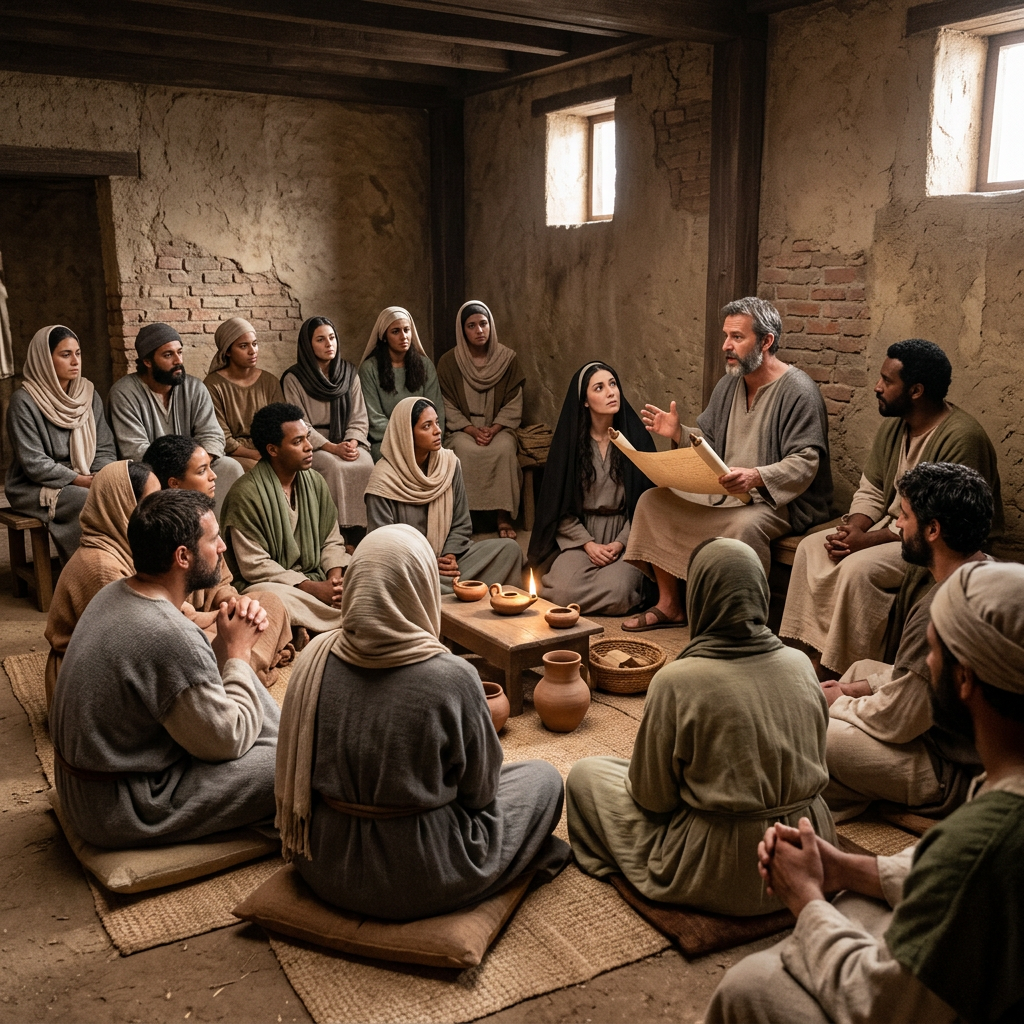
Does Scripture prohibit women from ordained ministry, or have inherited interpretations sometimes obscured the gifts of the Spirit? This essay examines Ephesians 5:21, Paul’s recognition of women in ministry, the difficult passages in 1 Timothy, and the Trinity. It argues that Christian authority must reflect Christ’s self-giving love rather than the preservation of gender-based privilege.
-
Does continued suffering mean God has rejected us? The mockery at Jesus’ cross exposes that painful assumption. Reading Matthew alongside Psalm 22 and Wisdom of Solomon, this essay explores honest lament, resurrection hope, and the church’s calling to stand beside those whose rescue has not yet come.
-
Did God really command the killing of innocent children? This biblical study examines Old Testament violence, divine judgment, and the authority of Scripture in the light of Jesus Christ. It considers the limits of common explanations and offers principles for reading difficult passages with honesty, humility, and faith.
-
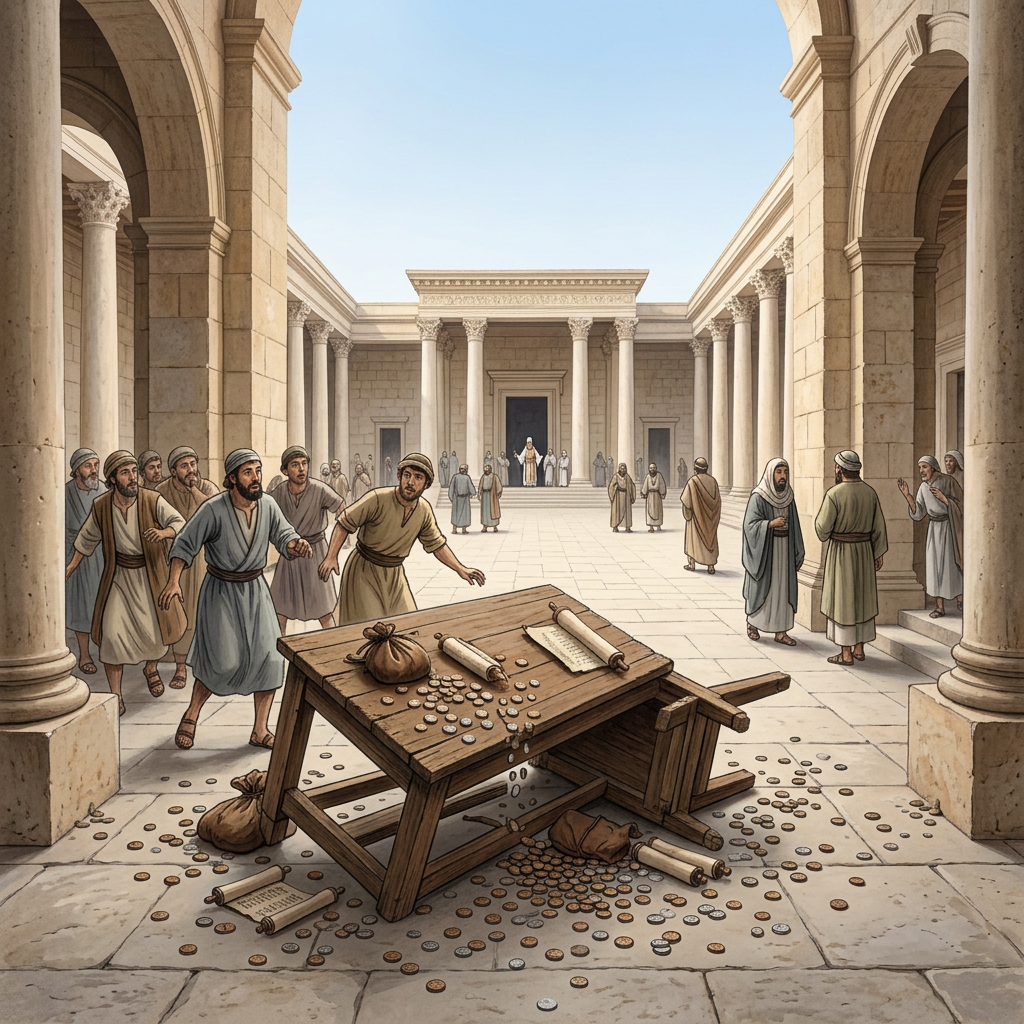
Why did Jesus overturn the temple tables? Read through the Gospels and Paul’s teaching, the temple cleansing reveals judgment, mercy, and fulfillment in Christ. It also calls the church to repentance, holiness, reconciliation, and accountable leadership.
-

Can Christians in committed same-sex relationships belong fully to God’s covenant family? Reflecting on Richard Hays’ change of perspective, N. T. Wright’s traditional position, and Paul’s theology of grace and transformation, this essay examines Scripture, conscience, marriage, resurrection, and the Holy Spirit while leaving room for further theological discussion.
-

Why does God harden hearts? This biblical study traces judicial hardening from Pharaoh and Isaiah to Romans, examining human responsibility, divine judgment, and the hope of mercy.
-

Paul’s comparison of Sarah and Hagar in Galatians 4 can sound troubling when isolated from its context. Read alongside Galatians 3–5, however, it becomes a powerful argument about promise, Torah, Christ, the Spirit, and the surprising shape of Abraham’s worldwide family.
-

The book of Job doesn’t give us a simple formula explaining human suffering. Instead, it exposes the cruelty of blaming sufferers, defends honest lament, and reveals a God whose wisdom exceeds our limited understanding.
-

When God calls Egypt “my people,” Isaiah confronts our instinct to divide the world into “us” and “them.” God judges every nation’s pride and injustice, yet his mercy reaches people we may be tempted to dismiss as enemies.
-

Joshua’s conquest narratives are difficult and often misused in modern political conflict. Christians must read them within Israel’s covenantal story and through the cross of Christ. The promised land is never a blank cheque for conquest, displacement, or religious nationalism. Jesus calls His church to pursue truth, justice, mercy, and the healing of the nations.