Bible study
-

The seven-dispensation scheme may look orderly, but it can divide what the gospel holds together. Scripture tells one covenant story centered on Jesus Christ, Israel’s Messiah and the world’s true Lord.
-

Paul does not say we are chosen because we are holy. He says we are chosen to be holy. That small difference protects the gospel from moralism on one side and carelessness on the other. Grace comes first. Holiness follows.
-
Colossians 4:7–18 may look like a closing list of names, but it is far more than that. It shows how the gospel actually moves in the world: through faithful messengers, praying servants, restored workers, hospitable homes, costly endurance, and grace that holds the church together.
-
In Colossians 3:12–17, Paul moves from stripping off the old humanity to putting on the character of Christ. Compassion, kindness, forgiveness, love, peace, and thanksgiving are not optional extras. They are the shared life of God’s new people.
-

In Colossians 3:5–11, Paul moves from theology to practice. Because believers have died and been raised with Christ, they must put to death the habits of the old humanity and live as the new creation in Him.
-

In Colossians 2:1–5, Paul warns the church against teachings that sound deep, impressive, and spiritual but slowly push Christ aside. Real strength does not come from secret knowledge or religious hype, but from being rooted in Christ, joined together in love, and made steady in faith.
-
Paul’s prayer in Colossians 1:9–14 treats gratitude not as a polite add-on but as a mark of spiritual maturity. When thanksgiving becomes a way of walking—shaping endurance, patience, joy, and community—it resists fear, dismantles pride, and roots daily life in God’s rescue and grace.
-
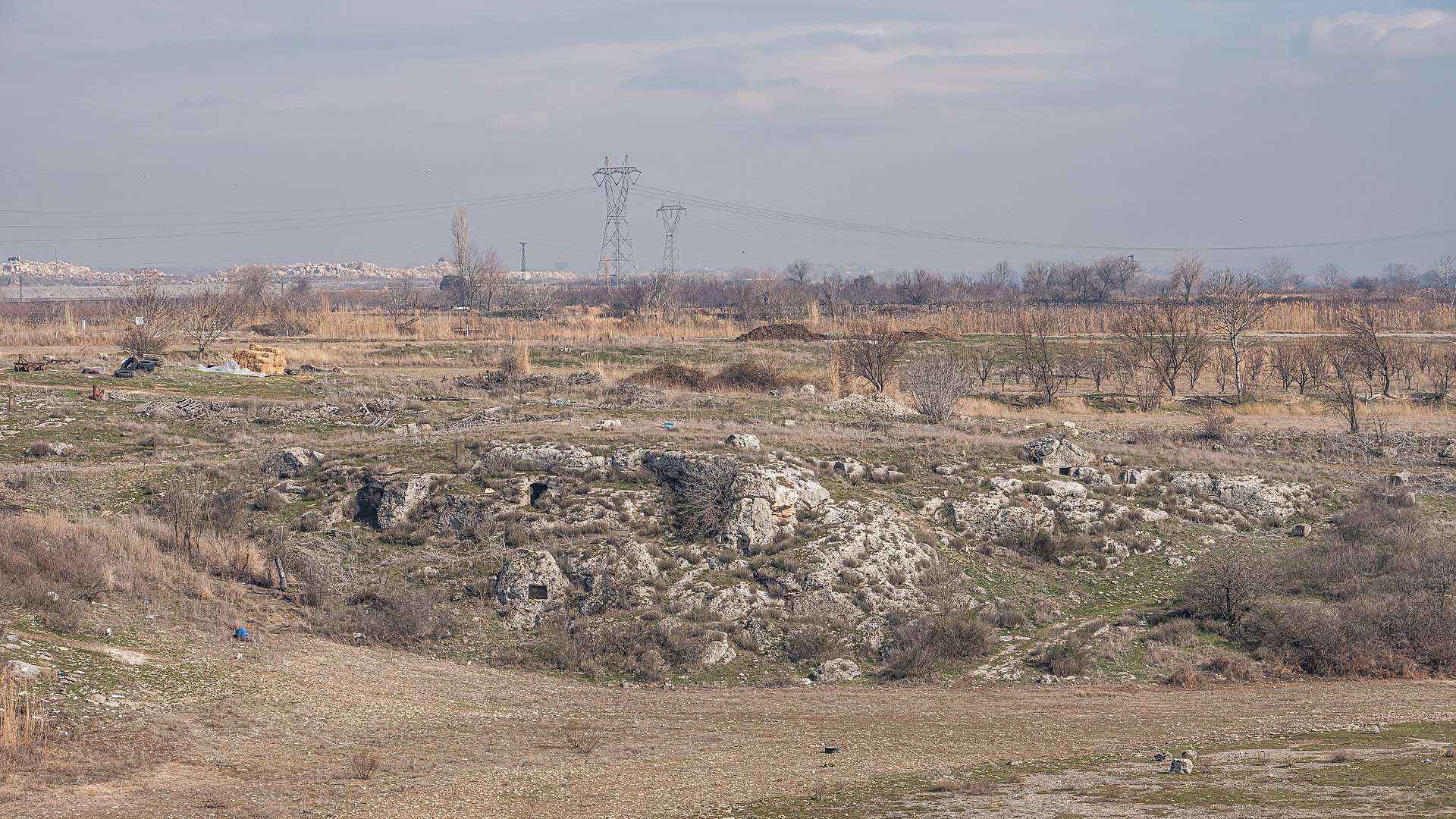
In Colossians, Paul isn’t battling atheism but a seductive “Jesus-plus” spirituality—rules, calendars, ascetic discipline, and even angel-focused mysticism—offered as the pathway to “fullness.” Paul’s urgent claim is that believers don’t graduate beyond Christ: the fullness of God dwells in him, and in him the church is already complete. The letter calls Christians to resist fear-driven…
-
Humility in Philippians 2 is not weakness or self-erasure. It is gospel-shaped strength: the courage to refuse rivalry, to serve without grasping for status, and to trust God for vindication. Paul grounds this posture in Jesus’ self-emptying obedience—and shows how such humility forms unity and becomes public witness.
-
Even in prison, the apostle Paul rejoiced because the gospel was advancing. This post explores how God uses weakness, setbacks, and unlikely situations—just as He did for Paul and Dietrich Bonhoeffer—to shine hope and move the gospel forward in surprising ways.