Uncategorized
-

Many Christians read Revelation 7 as though it divides the redeemed into separate prophetic groups. But what if John is doing something deeper? What if the 144,000 and the great multitude are not rivals in God’s plan, but two angles on the one people of God gathered by the Lamb?
-

In Colossians 3:5–11, Paul moves from theology to practice. Because believers have died and been raised with Christ, they must put to death the habits of the old humanity and live as the new creation in Him.
-

Colossians 2:16–19 warns the church against spiritual gatekeeping. When religious systems place fear, rules, or human control between believers and Christ, they deny the sufficiency of the One who alone gives access, nourishment, and true growth.
-
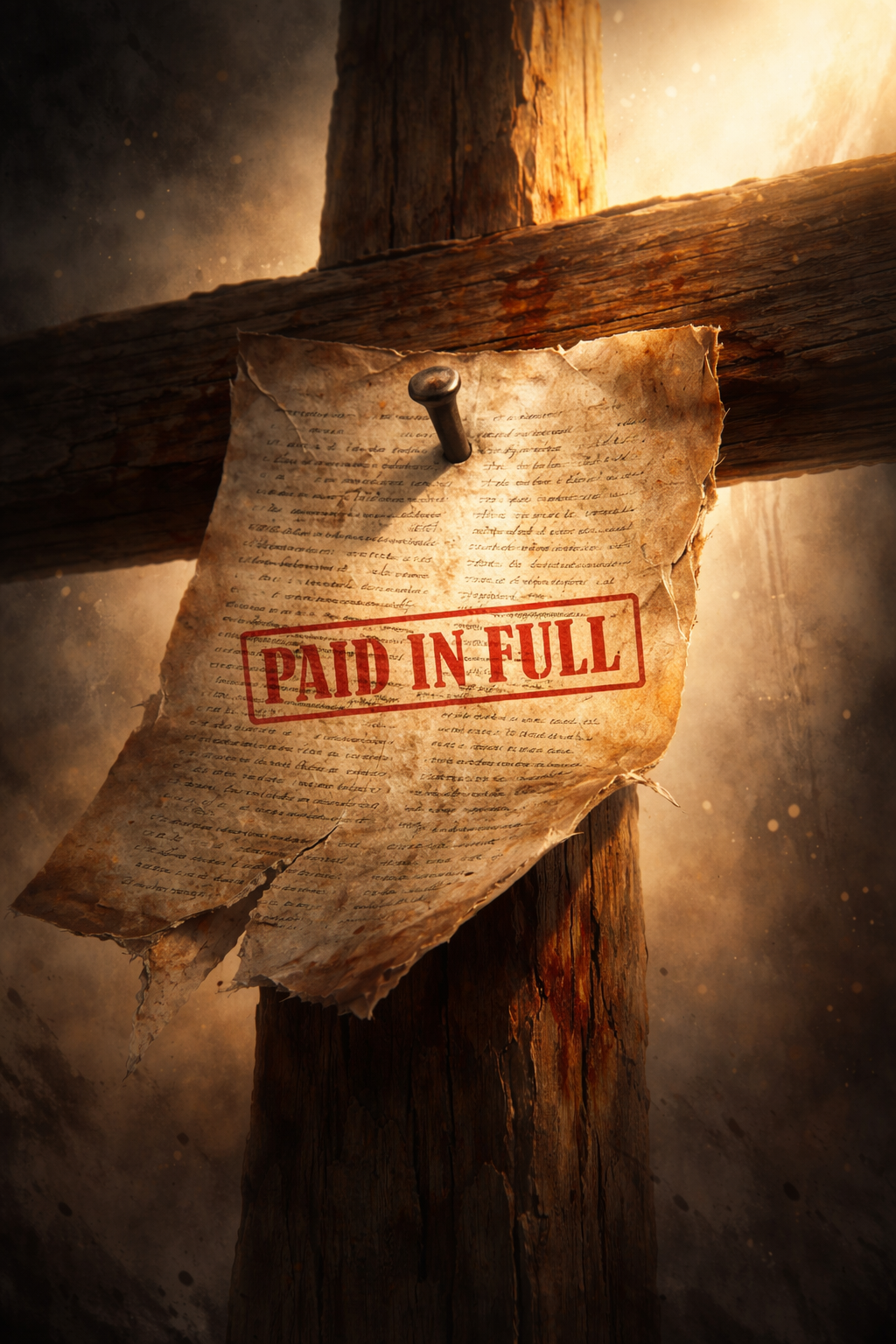
The gospel is not a payment plan. In Colossians 2:13–15, Paul declares that God has forgiven all our trespasses, canceled the record of debt, and nailed it to the cross. Christians do not live before God with an unpaid balance, because Christ is not partial help but God’s full and final provision.
-
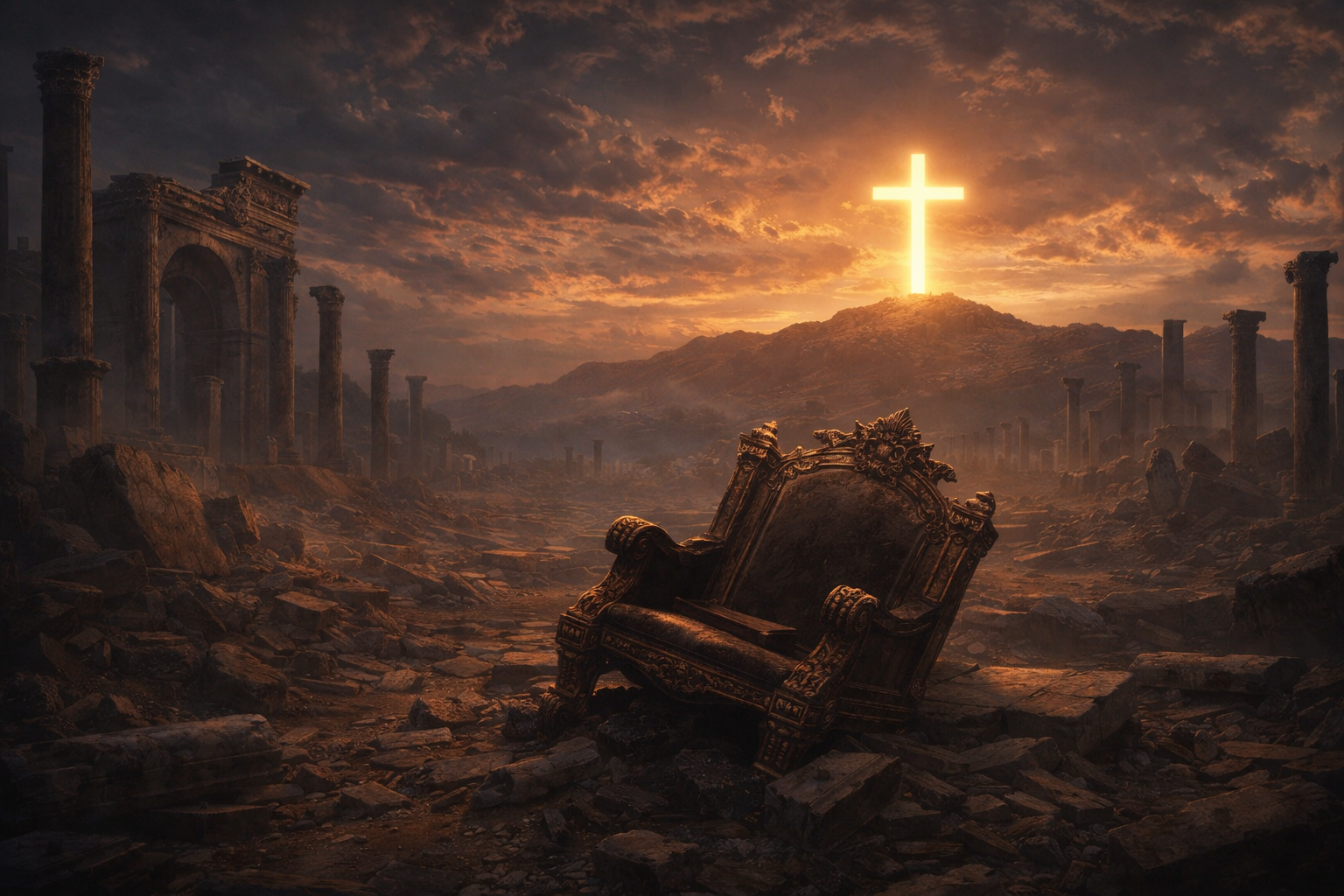
The church must never confuse moral seriousness with sacred violence. Jesus did not authorize his followers to wage holy war. He called them to follow the Lamb, not bless the sword.
-

Empire did not disappear when Babylon fell or Rome faded. It changed form. Christians still face the temptation to trust power, baptize nationalism, and confuse worldly strength with God’s kingdom. But the church belongs to another Lord.
-

Christian contentment isn’t emotional numbness or a Stoic stiff upper lip. In Philippians 4, Paul describes a learned steadiness—formed through real need and real abundance—grounded in Christ’s strengthening and sustained in prayer and fellowship. Contentment is dependence, not denial.
-
Philippians 2:12–18 does not call believers to anxious effort but to communal embodiment. What Christ enacted in humility and obedience must now take visible shape in the church. Salvation is not achieved by striving; it is worked out because God is already at work. The hymn becomes habit.
-
Paul places the Christ hymn before “work out your salvation” for a reason. Obedience does not create salvation; it embodies it. Philippians 2 reveals that ethics flows from Christ’s story, divine initiative precedes human response, and the church lives between humiliation and vindication as the living echo of its crucified and exalted Lord.
-
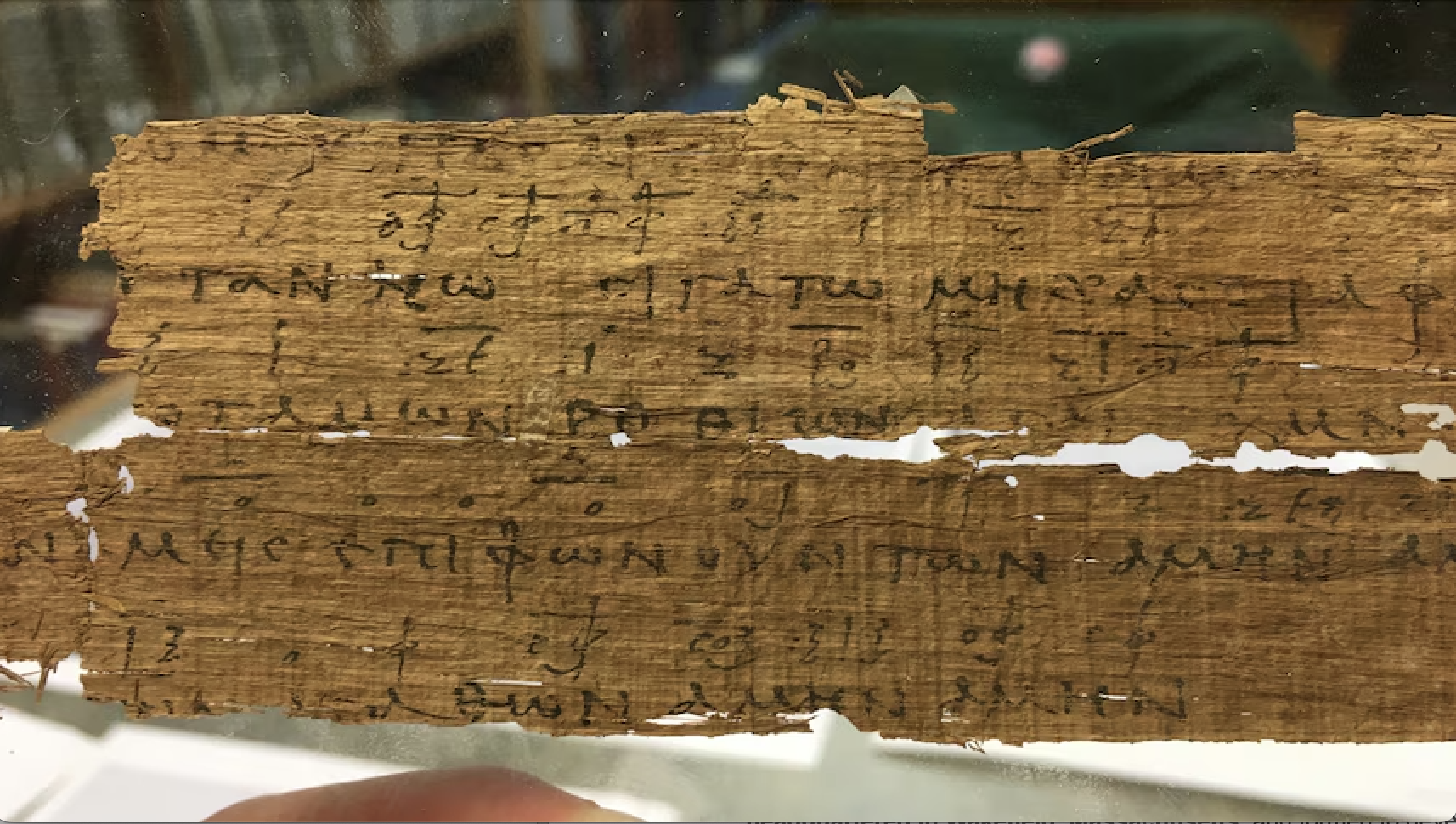
Philippians 2:5–11 is not an abstract hymn about Christ’s status, but a song meant to be lived. Placed at the heart of Paul’s exhortation, it rewrites how power, humility, and glory are understood in the life of the church. The crucified Messiah does not model self-erasure, but faithful obedience—and calls his people to become the…